
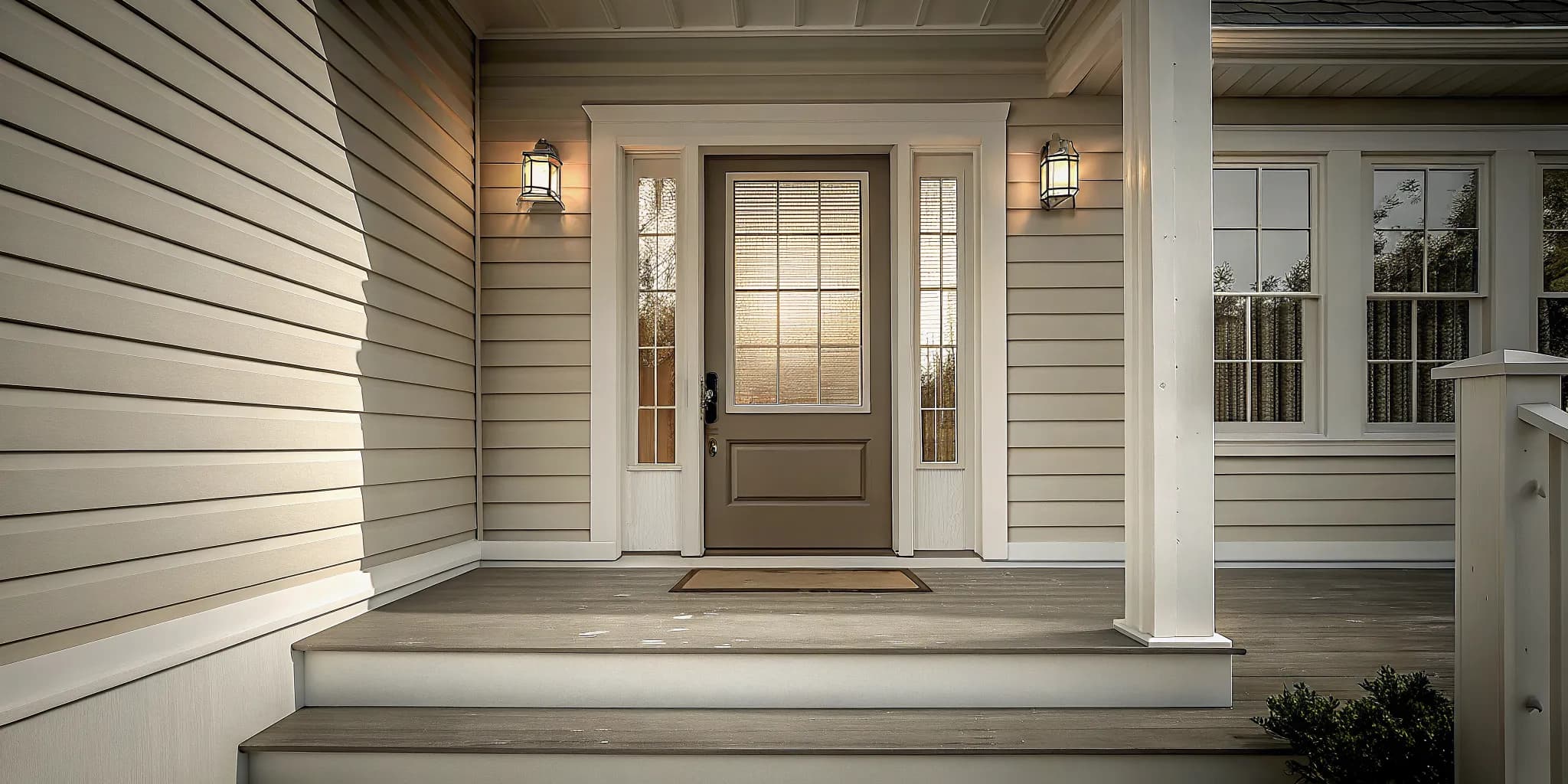
A steep threshold turns a familiar front door into a daily safety risk. Planning ahead gives South Jersey homeowners safer access without giving up security or curb appeal.
Aging in place entry doors South Jersey homeowners choose should reduce trip risks, difficult gripping, and tight passageways while protecting comfort and security. Start with a low, weather-tight threshold, lever-style hardware, bright lighting, easy locking, and enough clear opening for changing mobility needs in every season. The U.S. Access Board's accessible entrance guidance offers useful planning references for doors and entrances, although private homes may have different requirements. Measure the existing doorway and approach, then discuss reach, balance, walker, wheelchair, weather, and security needs before selecting a replacement. A focused door upgrade can support safer everyday arrivals, easier visitor access, and long-term use of the home you know and value.
The next section, Aging in place entry doors South Jersey homeowners should evaluate first, explains which doorway details shape safe, usable access over time. If you are deciding what should change before mobility becomes harder, begin with the entry features that affect every arrival. Here is how.
Aging in place entry doors South Jersey homeowners should evaluate first
Start with the whole approach
A safer front entry starts before the door itself. Walk the route from the driveway or walkway to the porch in daylight and after dark. Look for uneven paving, a loose rail, dim lighting, or a landing that feels crowded when someone carries bags.
Then look at the step and threshold, which is the raised strip at the doorway. A low, stable crossing may be easier for feet, a cane, a walker, or rolling items. For planning reference, review the U.S. Access Board guidance on entrances and doors. A private home should not be described as legally compliant without qualified review.
Check how the door works each day
Open the current door as you would on a normal day. Can you stand on the landing while the door swings, or must you step back? Notice whether a storm door, screen, mat, package, or railing limits safe room to move.
Next, try the lock and handle with one hand while holding a small bag. This test can reveal hard twisting, a stiff latch, or a door that takes too much push or pull. Lever-style hardware and a smooth latch may be worth discussing during a front door review.
A replacement decision should fit the entrance, home style, and daily routine. Cosello's entry doors for aging in place page helps homeowners review front door options before requesting an estimate.
Plan for changing needs and visitors
An entry should work for more than today's easiest trip. Think about a future walker, a cane, a visitor using wheels, a delivery, or a caregiver walking beside someone. Measure the opening and landing with the door fully open. Then note where movement feels tight.
Write down who uses this entrance, what they carry, and which moments feel risky. Include wet-weather footing, night visits, and trips made with full hands. These notes help a door specialist discuss swing direction, threshold comfort, easy-use hardware, lighting, and security.
How wide should a safer doorway and threshold be?
Clear opening width
A safer entry starts with usable space, not the door slab size on a label. Public accessibility guidance uses a 32-inch clear opening as a planning reference point. Clear opening is the space left when the door is open, measured between the door face and the opposite stop.
That space matters when someone uses a walker, carries groceries, or needs room beside a caregiver. Homeowners comparing aging in place entry doors in South Jersey can review Cosello's entry doors for aging in place. An installer can then discuss fit and swing direction. A wider replacement may need changes to the frame, sidelight, wall trim, or landing.
A low, weather-ready threshold
The threshold is the raised strip at the bottom of the entry. A lower transition can reduce the bump a foot, walker, or wheeled device must cross. Accessibility guidance commonly uses a 1/2-inch maximum threshold as a planning reference, but a private home still needs a site review.
A low threshold must also help manage South Jersey rain, wind, and seasonal drafts. The installer may need to balance threshold height with the sill pan, door sweep, seals, drainage, and exterior landing slope. A flat-looking entry is not safer if water reaches the floor or damaged seals create a loose transition.
Measurements to take on site
Measure the existing doorway with the door opened fully, from the door face to the inner stop. Check the narrowest point, since handles, trim, and storm doors can reduce usable room. Then measure the threshold rise and note whether the indoor and outdoor surfaces are level.
Bring daily use into the review, not only tape-measure readings. Consider a walker width, mobility device path, storm door swing, packages, and a sheltered place to stand. An installer can then assess frame work, water control, and secure locking without treating one reference number as a compliance promise.
- Confirm the clear opening with the door in its normal open position.
- Check for raised edges, worn sweeps, loose trim, or slippery landing materials.
- Discuss weather sealing and drainage before choosing a lower threshold.
The 32-inch opening and 1/2-inch threshold are useful planning points, not a certification for a private residence. Applicable needs depend on the home, entry layout, and project scope. A site-specific review helps connect easier movement with weather protection and security.
Choose lever hardware, lighting, and security together
When planning aging in place entry doors, South Jersey homeowners often focus on the door first. Hardware, lighting, and locks shape how the entry works each day. Choose them as one routine: reach the handle, see the keyway, open the lock, and cross safely.
Lever hardware and comfortable reach
A lever can be pushed down with a hand, wrist, or elbow. A round knob calls for a twisting grip. That difference matters when hands are wet, full, stiff, or sore. Test the lever from both sides while carrying a small bag.
A private home's design choices are not the same as a public-access rule. Still, the 2010 ADA Standards for Accessible Design offer useful context for usable door features in covered facilities. For a home, fit the hardware to the people who will use it each day.
Lock controls that fit the routine
A good lock is one household members can use without rushing or fumbling. Compare a keyed lock and a smart lock by daily tasks, not labels. Can a resident operate it with one hand, in rain, or after dark?
- Choose a thumb turn that is easy to see and grasp from indoors.
- Keep a physical backup method if a powered or connected feature is part of the plan.
- Place keys, codes, or access steps where trusted family can follow the agreed routine.
A door project can address the door, hardware, lock placement, and daily entry needs at once. Review Cosello's accessible residential door installations when comparing practical options for your entry.
Lighting, sightlines, and secure habits
Porch lighting should help residents see the handle, lock, threshold, and visitor before opening the door. Check the view at night from inside and outside, not only in daylight. Trim or move items that block the approach. Keep a clear view through a sidelight or peephole.
Security is also about steady habits. A well-placed lock helps when a resident can enter and secure the door without delay. Plan a lit, clear landing and a nearby surface indoors. Then carrying packages is less likely to disrupt the locking routine.
Use the door once as a simple evening check: approach, unlock, enter, relock, and set down carried items. If a step is hard to see or needs an awkward reach, revise the layout before installation. This check keeps comfort and security in the same decision.
What holds up to South Jersey weather?
For aging in place entry doors in South Jersey, weather resistance is also a daily-use issue. A door that swells, sticks, or lets cold air through can become harder to operate. The right fit should keep the entry steady through rain, wind, heat, and winter cold.
Seals, thresholds, and safe use
Start by checking the full opening, not only the door slab. Ask how the frame, sill, weatherstripping, and sweep will manage drafts and wind-driven rain. A low, easy-to-cross threshold still needs a sound seal and a plan for draining water away.
The U.S. Access Board's guidance for entrances, doors, and gates is a useful planning reference when discussing clear movement and threshold use. It does not make a private South Jersey home ADA compliant.
Insulated door questions
Material choice matters, but installation and upkeep matter too. When reviewing entry doors for aging in place, compare the questions below with the home's exposure and daily needs.
A protected entry and an exposed entry may call for different details. Note whether the doorway faces hard rain, direct sun, or winter wind. These conditions help guide questions about finish care, seals, and water control.
| Question | Fiberglass option | Steel option |
|---|---|---|
| Draft control | Which insulated core and seals are included? | Which insulated core and seals are included? |
| Rain exposure | How are sill and sweep detailed? | How are sill and sweep detailed? |
| Finish care | How is the finish cleaned and checked? | How is finish damage repaired? |
| Daily operation | Will hardware and fit stay easy to use? | Will hardware and fit stay easy to use? |
An insulated replacement door can help reduce drafts when its frame, seals, and threshold are fitted as one system. Ask which finish fits a covered porch, a west-facing opening, or an entry exposed to rain. Durable finishes reduce the need for touch-ups, but no finish removes the need for checks.
Water control and seasonal checks
Water management starts outside the door. Check that gutters, porch surfaces, and the sill move water away from the opening. After storms, look for wet trim, soft spots, peeling finish, or a sweep that drags.
Seasonal checks should include wiping the threshold, testing the latch, and replacing worn weatherstripping. If the door binds or the sill becomes uneven, maintaining safe, accessible doors can protect comfort and footing at the same time. A steady, dry entry is easier to use every day.
A homeowner checklist before requesting an estimate
Planning your household needs
Families researching aging in place entry doors in South Jersey can prepare before an installer visits. Start by noting how the entry works today and what needs to feel easier or safer. Reviewing entry doors for aging in place can also help you name the door type, glass, and finish you want to discuss.
Accessibility goals can guide a private home plan, but a residential entry is not automatically an ADA project. The 2010 ADA Standards set design rules for listed public accommodations and commercial facilities. Describe the daily use your home needs instead of asking for a label.
Details to gather before the visit
Use this checklist to make the estimate conversation clear and practical. It helps the installer see the entrance and understand your household. It also helps you ask key questions before work begins.
Take photos of each approach. Photograph the door from indoors and outdoors, plus the walkway, porch, landing, and storm door. Include close views of worn areas, locks, hinges, and any spot where the door sticks.
Note steps and threshold conditions. Count stairs at the main entrance and write down where footing feels uneven. Point out the threshold, the raised strip under the door. Note if a walker, cane, cart, or foot catches there.
List family and visitor needs. Think about who uses this door each week, including children, older relatives, and guests using mobility aids. Note whether carrying groceries, reaching the lock, or moving through the opening causes trouble.
Choose practical preferences. Make a short list of handle styles, simple locking needs, peepholes, smart locks, and porch lighting. If night entry or security is a concern, explain what feels hard today. Ask about workable options.
Track weather concerns. Note drafts, water at the sill, harsh afternoon sun, or a door that changes with damp weather. Photos taken after rain can help explain conditions that may not appear during the visit.
Prepare project questions. Ask what is included in the estimate, which warranty terms apply, and how scheduling will work. Also ask how measurements, product choices, removal, cleanup, and follow-up are handled.
Scheduling the next step
Bring your notes and photos to the estimate visit. Include any family member involved in daily entry use. When you are ready to discuss your doorway and priorities, contact Cosello Construction to request an estimate for your South Jersey home.
Which questions should you ask an entry door installer?
For aging in place entry doors in South Jersey, start with questions about daily use. A good installer should review your doorway, landing, household needs, and plans for future access. The right door is not chosen from a brochure alone.
Clear opening and threshold details
Ask, "What will the clear opening be after the new door is installed?" Clear opening means the usable space when the door is open. Federal access standards cover certain public and commercial spaces, not every private home. Still, the 2010 ADA Standards provide useful terms for discussing access needs.
Next, ask how the threshold will meet the porch or indoor floor. Ask whether the transition will work with a cane, walker, wheelchair, or rolling cart. The installer should explain how the sill, flashing, and drainage plan will help manage rain at that entry.
Daily operation and safety choices
Tell the installer who uses the door and what feels hard today. Ask whether the swing, handle style, key operation, and storm door setup suit your household. If someone uses a mobility aid, ask to try the hardware before you choose it.
Discuss light and visibility at the same visit. Ask if sidelites, glass panels, porch lighting, or a peephole will affect privacy and safe use at night. Then review locking choices, such as a deadbolt, keypad, or easy-grip hardware, without making operation harder.
Homeowners comparing entry doors for aging in place should also ask about weather sealing. Request a clear explanation of the sweep, seals, frame fit, and adjustments after installation. A door should fit the actual opening, weather exposure, and household routine.
Warranty and project plan
Before you approve the job, put these questions on your list:
- What parts and labor are included in the written warranty?
- Who handles service if the door rubs, leaks, or stops latching well?
- When will measurements, ordering, installation, and cleanup take place?
- Will the doorway stay secure and usable during the work?
Ask the contractor to confirm choices in writing after reviewing your home. A South Jersey entry may face wind, rain, steps, or a narrow landing. A site visit helps match access, security, light, weather protection, and schedule to one practical door plan.
Frequently Asked Questions
How wide should entry doors be for aging in place?
An aging-in-place entry door plan should start with the usable clear opening, not only the slab size. The U.S. Access Board door guidance uses a 32-inch minimum clear opening for covered accessible doorways. For a private South Jersey residence, treat that dimension as a planning reference. A site review must confirm framing, swing, landing, and household needs before selection.
Why are low thresholds important for accessible entry doors?
A low, stable threshold reduces a raised transition where a foot, walker, or wheeled mobility device may catch. Threshold height, exterior landing slope, weather sealing, and water control need to work together. The U.S. Access Board door guidance includes threshold criteria for covered accessible routes; use them as discussion points, not a private-home certification. An installer should inspect the existing sill and drainage before recommending an upgrade.
What is the recommended height for door handles in an accessible home?
Lever-style hardware can be easier to operate than a round knob for residents with reduced hand strength. When planning a comfortable entry, discuss the user's reach, grip, lock operation, storm doors, and daily routine with the installer. Hardware placement alone does not establish suitability or compliance for a residence; an on-site assessment is the appropriate next step.
Can I upgrade my current entry door for aging in place?
Yes. Many existing entrances can be improved by replacing difficult hardware, reviewing the threshold, choosing smoother operation, or replacing the full door and frame. The correct scope depends on opening width, sill condition, landing layout, weather exposure, and security needs. For aging in place entry doors in South Jersey, an on-site assessment helps compare a targeted update with complete replacement. The goal is a safer, more usable route.
What entry door styles work well for aging in place?
No single door material or style is right for every aging-in-place entrance. Fiberglass, steel, and wood options can support usable hardware, secure locking, weather protection, and an appearance suited to the home. Door swing, clear opening, threshold conditions, lighting, and landing space often matter more than material alone. South Jersey homeowners should compare these details during a site review rather than assuming one product guarantees an accessible entrance.
Ready to Plan a Safer South Jersey Entry Door?
An entry door that remains hard to open, step over, or secure can make everyday routines less comfortable as mobility needs change. Waiting until an entrance becomes a daily obstacle can force decisions under stress, with fewer chances to compare practical upgrade choices. Starting now gives your household time to identify priorities, discuss budget, and plan a safer, easier-to-use entrance before it becomes urgent.
Ready to plan an entrance that supports your household for years ahead? Contact Cosello Construction to request an entry door estimate and talk through the features that matter for your home. A clear next step today can help you move from concern to a practical door plan on your own timeline.