
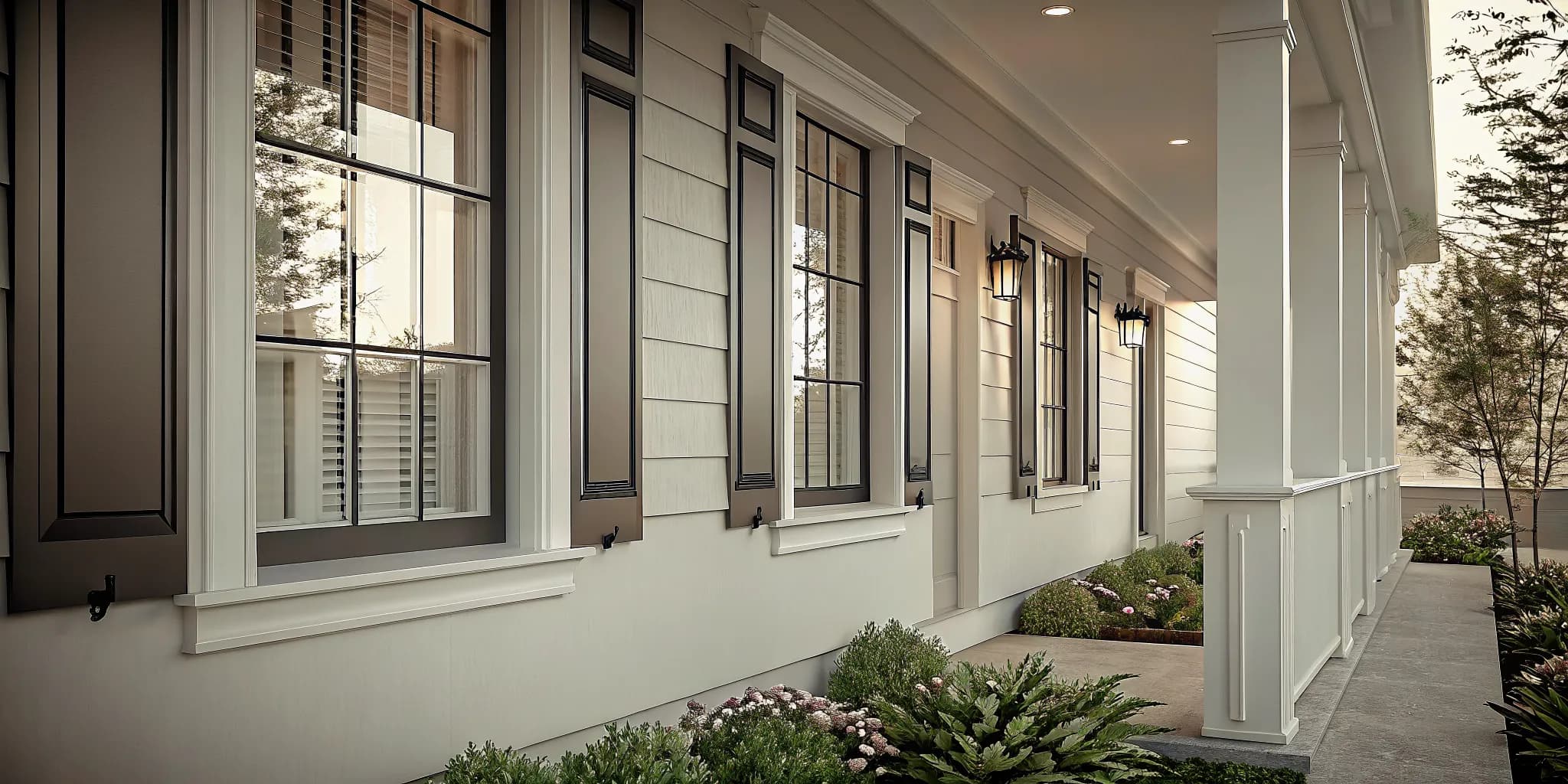
Black window frames make a strong first impression, but finish quality decides whether that impression lasts. In South Jersey, the right choice must handle bright summer sun, winter cold, and the home's existing brick or siding.
Request a free window estimate from Cosello Construction.
The real question is not whether black frames are fashionable, but whether they fit your home's style, exposure, performance needs, and budget. Before answering "Are black window frames right for a South Jersey home?", weigh the look against local weather and long-term performance. Here is how.
Are black window frames right for a South Jersey home?
Black window frames are right for many South Jersey homes when their bold contrast suits the exterior and the product is built for seasonal temperature shifts. They create crisp contrast, draw attention to outdoor views, and can complement modern, farmhouse, or traditional architecture without changing the home's basic character. The finish should resist fading, while the frame and installation must withstand humid summers, winter cold, and repeated temperature swings. For efficiency, compare material, glazing, gas fills, spacers, and the NFRC label, because exterior color alone does not determine performance. A black exterior with a white interior offers the same curb appeal when full black would make smaller rooms feel too visually heavy.
Black window frames create clear contrast, so they can sharpen a home's curb appeal and define each opening. They work well when the color repeats elsewhere, such as on the roof, front door, railings, or lights. Still, the right choice depends on more than style. Frame material and glazing affect window performance more than exterior color alone, according to the U.S. Department of Energy.
Curb appeal and facade balance
Start by viewing the whole front of the home from the street. Black frames often suit white siding, light brick, stone, and modern additions because the contrast looks planned. They can also give a traditional South Jersey colonial a crisp update. Yet strong contrast makes every window shape and spacing choice easier to notice.
Black frames may overwhelm a small facade when there are many divided windows, dark siding, or several competing trim colors. A broad ranch can also look busy if thick black grids split every opening. In those cases, use simpler grids or reserve black for a rear addition. Reviewing the available modern black window frames can help you compare profiles before choosing.
Interior sightlines and room finishes
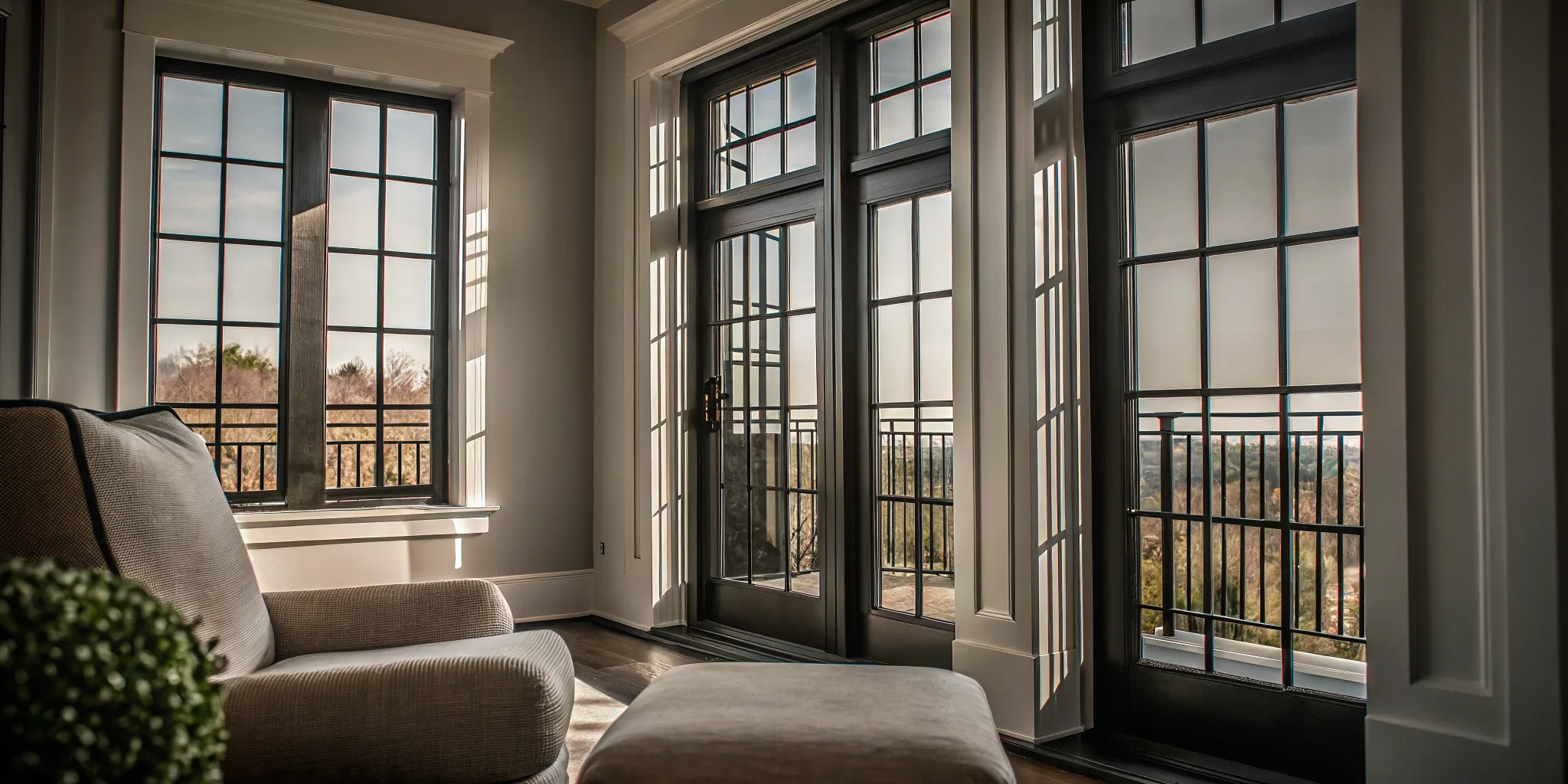
Inside, black frames act like outlines around the view. This effect can draw attention outdoors and add structure to a room with plain walls. It works best when nearby details repeat the finish, such as cabinet pulls or light fixtures. Without those links, the windows may look separate from the room.
Consider each room, not just the exterior. Black interiors may feel heavy in a small room with low light, dark floors, or patterned curtains. White interiors can keep the room softer while a black exterior gives the facade contrast. Many makers offer this dual-color approach, so homeowners do not always need one finish on both sides.
Neighborhood context and a practical test
Walk the block before making a final choice. Black frames do not need to match every nearby home, but they should respect the scale and character of the street. They tend to feel natural where homes already use dark shutters, roofs, metalwork, or modern additions. In a uniform historic-looking row, a softer frame color may blend better.
- Compare black, bronze, and white samples against the siding in morning and afternoon light.
- Check whether the frame color repeats in at least two other exterior details.
- Study the interior sample beside wall paint, flooring, curtains, and main furniture.
- Ask whether simpler grids would keep a smaller facade from looking crowded.
A mockup can reveal issues that a small color chip cannot show. Test the full front elevation, then check the main living spaces from several feet away. If black frames command attention before the home's best features, reduce the grid pattern or choose a softer finish.
Which home styles work best with black window frames?
Black window frames work with more home styles than their modern reputation suggests. The key is to repeat the dark color in a few clear details. Roofs, doors, lighting, railings, and trim can help the windows look planned rather than added later.
Traditional and colonial homes
On a traditional or colonial home, black frames look best when the window shape and grille pattern still fit the architecture. Double-hung windows with balanced grids keep the familiar look, while the dark finish adds crisp contrast. Homeowners can explore custom black frame windows without giving up a classic window style.
White, cream, or pale gray siding creates a clean contrast that suits an orderly facade. Red or brown brick also works well, especially when the frame color echoes dark shutters or a front door. Avoid adding too many black accents, since heavy contrast can compete with brick details and traditional trim.
Farmhouse and contemporary exteriors
Modern farmhouse designs are a natural match for black window frames. White siding, simple trim, and a dark roof create a clear palette with strong lines. For a softer farmhouse look, use warm white siding, natural wood at the entry, and fewer grilles.
Contemporary homes can take the contrast further. Large glass areas, simple casement shapes, and narrow-looking frames support a clean exterior. Reviewing the available modern black window frames can help match the opening style to the home's lines and room needs.
- Pair light siding with black frames for sharp contrast.
- Use charcoal siding and black frames for a quiet, unified look.
- Repeat black on one or two exterior details, not every feature.
- Let brick, stone, or wood add warmth beside the dark finish.
Interior finishes and practical choices
Inside, black frames act like outlines around the view. They suit rooms with simple trim, warm wood, stone, or a mix of old and new pieces. In a more traditional room, a dual-color window can keep the exterior black while the interior stays white.
Frame color should not replace a close review of window performance. The U-factor, glazing, gas fills, spacers, and frame material all affect energy use. Check those details along with finish quality, grille style, and trim depth before choosing a final design.
Mock up the full wall before ordering. Compare the frame against siding, brick, interior paint, and nearby woodwork in daylight. This step helps show whether black should serve as a bold accent or a quiet border around the glass.
Do black window frames get hotter in South Jersey summers?
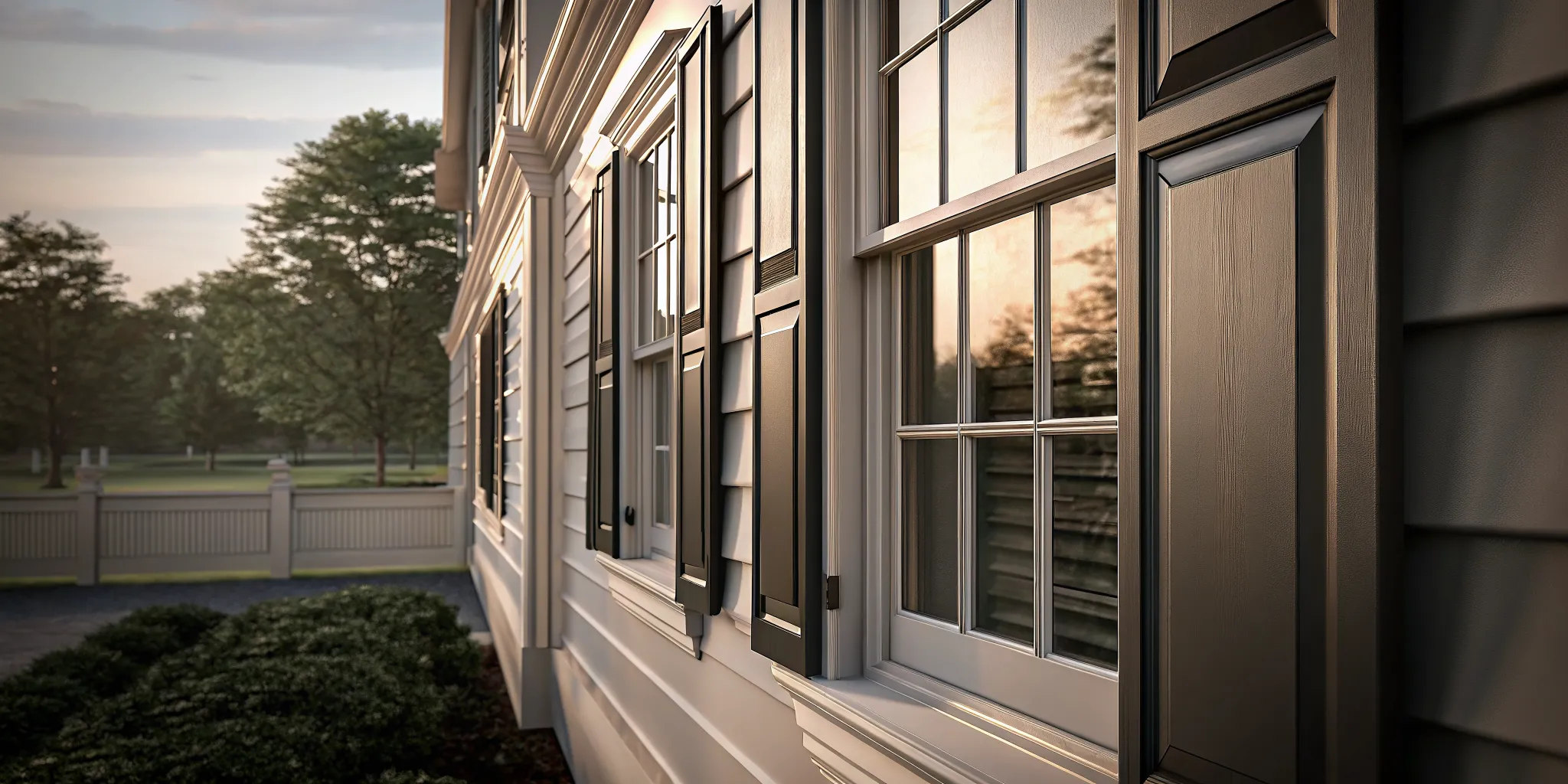
Yes, black window frames absorb more heat from direct sunlight than light-colored frames. That surface heat does not automatically make the whole window inefficient. Glass, frame material, orientation, seals, and installation all shape how much heat reaches the room.
Surface heat versus window performance
A dark exterior finish may feel hot on a sunny afternoon. Yet the frame is only one part of the opening. The glass covers most of the window, so its design has a major effect on summer comfort.
Low-emissivity coatings, multiple panes, gas fills, and spacers can limit heat transfer. The U.S. Department of Energy says glazing selection is the most important energy choice for most windows. Check the window's full performance ratings instead of judging its color alone.
| Window factor | What it affects | What to check |
|---|---|---|
| Black exterior finish | Surface temperature in direct sun | Finish quality and warranty |
| Glass package | Solar heat entering the room | Low-E coating and SHGC |
| Frame material | Heat transfer and expansion | Product design and ratings |
| Installation | Air leaks and moisture control | Flashing, insulation, and seals |
Material, sun exposure, and orientation
Frame material matters because each material handles heat in a different way. Vinyl, fiberglass, wood, composite, and metal frames do not share the same thermal resistance. Product design also affects how a dark frame responds as outdoor temperatures change.
Orientation can change the result from room to room. A west-facing window often gets strong afternoon sun, while a shaded north-facing window gets much less. Roof overhangs, trees, nearby buildings, and indoor shades can also reduce direct solar exposure.
The complete-window check
Compare the NFRC label for each product, with close attention to U-factor and solar heat gain coefficient (SHGC). Lower solar heat gain can help limit unwanted summer heat. The right balance depends on the local climate and the window's location on the house.
Installation quality is just as important as product selection. Gaps around the opening can let hot air and moisture enter, regardless of frame color. A careful window replacement assessment should review glass, frame material, orientation, and installation details together.
For South Jersey homes, black frames can work well when the full window suits the opening. Ask how the finish handles sun, then compare glass ratings and frame construction. This gives a clearer comfort forecast than color alone.
How to keep black window frames looking their best
Black finishes show pale dust, pollen, and dried water marks more clearly than many lighter colors. A simple cleaning routine helps preserve their crisp look without putting the finish at risk.
A gentle cleaning sequence
Start with the product maker's care guide because approved cleaners can vary by frame material and finish. Exterior frames often need attention after pollen, storms, or nearby construction. Skip harsh solvents, abrasive pads, and stiff brushes unless the maker clearly approves them.
- Remove loose dust and grit with a soft, dry brush or a vacuum fitted with a brush attachment. Work gently around corners and tracks.
- Mix a small amount of mild soap with clean water, following the window maker's directions. Test the mix on a hidden spot first.
- Wipe each frame with a soft cloth or non-abrasive sponge, moving from top to bottom. Rinse the cloth often so grit cannot drag.
- Rinse away soap with clean water, then dry the frame with a soft lint-free cloth. Keep excess water away from interior wall finishes.
- Check tracks, weep holes, seals, and hardware while the frame is clean. Note any blocked drainage path, loose part, damaged seal, or scratch.
Exterior buildup and interior dust
Salt residue, pollen, and road dust can cling to exterior black window frames and leave a dull film. If salt spray reaches the home, rinse it away before wiping. This reduces the chance that loose grit will scratch the surface during cleaning.
On the inside, use a microfiber cloth or soft vacuum brush to lift dust from frames, sills, and tracks. A clean track also makes it easier to spot debris that may affect smooth window movement.
Finish care and routine inspection
Cleaning is also a useful time to inspect the finish under normal daylight. Look for chips, scratches, fading, peeling, failed sealant, or moisture between glass panes. Compare changes across nearby windows so you can tell isolated damage from ordinary surface dirt.
Do not sand, polish, or paint a damaged black finish before checking the maker's repair guidance. Use only an approved touch-up product when the instructions call for one. A mismatched coating may change the sheen or make a small mark more noticeable.
If a frame seems warped, a seal has failed, or hardware no longer works well, ask a window specialist to inspect it. Frame material affects thermal resistance, as the U.S. Department of Energy's window guide explains, so repair advice should fit the specific window.
Homeowners comparing replacement options can review the range of modern black window frames before choosing a material and finish. For existing windows, keep the maker's care guide with your home records and note any changes found during cleaning.
Compare black window frame options with a window replacement specialist.
Will black window frames fade over time?
Black window frames can fade, but the rate depends on the product, finish, and exposure. A well-made factory finish should resist normal sun and weather better than a basic surface coating. Still, no dark exterior finish is fully immune to years of direct sunlight.
Finish quality and frame material
Start by asking how the black color is applied. Some finishes are bonded to the frame, while others use a durable powder coat or another factory process. These options may age differently, so compare the maker's written finish details rather than judging by a showroom sample.
The material beneath the finish also matters. Vinyl, fiberglass, wood, and aluminum react to heat and weather in different ways. The U.S. Department of Energy explains window frame materials and their different thermal traits. That guidance can help homeowners compare the whole product, not just its color.
Sun, weather, and daily exposure
Two matching windows on the same house may not age at the same pace. A south-facing frame can receive more direct sun than one under a porch. Salt air, dirt, tree sap, and repeated heat and cold cycles may also affect how a finish looks.
Routine care can help protect the surface. Follow the manufacturer's cleaning directions, and avoid harsh chemicals or rough pads unless the product guide approves them. Take photos after installation, then check exposed frames each year for uneven color, chalking, peeling, or changes in sheen.
Product details and warranty questions
Before buying black window frames, request the exact product specification and finish warranty. Ask whether fading, chalking, peeling, and heat-related damage have separate coverage terms. Also confirm whether the warranty changes by frame material, exterior color, location, or cleaning method.
Homeowners comparing Andersen windows with black frames should review the details for the exact series and finish. A brand name alone does not confirm that every product line uses the same coating or warranty. Keep the final specification sheet, care guide, receipt, and warranty with the home's records.
A useful comparison should cover more than the promised color. Review the finish process, expected care, approved cleaners, exposure limits, and remedy if the surface changes. Verified manufacturer documents make it easier to weigh durability before installation and support a claim if a covered problem appears later.
What affects the cost of black window frames?
The price of black window frames depends on the full window package, not just the color. Material, size, operating style, finish choice, installation conditions, and project scope all shape the final quote. Black is often a standard finish, but some product lines treat it as an upgrade.
Product choices that shape the quote
Frame material sets the starting point because each option has its own build process and performance traits. The U.S. Department of Energy explains that frame materials differ in thermal resistance, which can affect both price and long-term value. Vinyl, fiberglass, wood, composite, and aluminum also use different finish methods and care needs.
Size and configuration matter as well. Larger openings need more material and heavier glass, while divided lights and custom shapes add parts and labor. Compare available modern black window frames across casement, double-hung, picture, and sliding styles before choosing. A black exterior with a different interior color may also cost more than one color throughout.
Installation conditions and project scope
A straightforward replacement in a sound opening usually takes less work than a project that needs framing or trim repairs. Access can also change labor needs. Upper floors, tight landscaping, masonry walls, and large units may require more time, equipment, or crew support.
Project scope affects the total and the cost per window. Replacing several units at once may reduce repeated setup work, while one custom opening can carry more fixed labor. The quote should state whether removal, disposal, interior trim, exterior capping, permits, and finish work are included. This detail helps prevent surprises after work starts.
How to compare quotes and value
Compare quotes line by line, not by the final total alone. Confirm the frame material, exact product line, glass package, operating style, finish, hardware, installation method, and warranty. Also check whether every contractor measured the same openings and priced the same repair assumptions.
Value includes how well the window fits the home, climate, and planned length of ownership. A lower quote may omit needed work or use a less suitable product. An efficient glass package and sound installation often matter more over time than color alone. If the project must fit a monthly budget, review available financing options alongside the full project scope.
Ask each contractor to separate optional upgrades from required work. That makes it easier to see whether black adds a finish charge or comes standard. It also shows where a higher quote adds useful value, such as better glass, stronger materials, or needed opening repairs.
Can black window frames improve resale appeal?
Broad appeal versus personal taste
Black window frames can strengthen a home's first impression, but no frame color can guarantee a higher sale price. Resale appeal depends on the buyer, the home's style, its condition, and the wider market. Some buyers welcome the crisp contrast, while others prefer a softer or more traditional look.
The safest design choice usually fits the home's architecture instead of chasing a trend. Black frames can suit modern, contemporary, and updated farmhouse exteriors when other finishes support the same look. Reviewing the available modern black window frames can help owners compare styles before choosing one.
A consistent design
Consistency often matters more than the color itself. Frames should relate to the roof, siding, trim, doors, and visible hardware. A scattered mix may make an update look unfinished, while a planned palette can make the exterior feel settled and cared for.
Interior views matter as well. A black exterior with a lighter interior may preserve broad appeal in rooms with traditional trim or pale walls. Before ordering, compare full samples in daylight and inside the home. This simple check shows whether the finish works from both sides.
Performance, workmanship, and records
Prospective buyers may look beyond the finish to ask how the windows perform. Frame material, glazing, gas fills, and spacers all affect energy use. The U.S. Department of Energy explains these features and recommends using the NFRC label to compare window performance. A suitable product can support resale conversations without relying on color alone.
Installation quality also shapes long-term appeal. Straight frames, neat sealant lines, smooth operation, and clean trim show that the work received care. Poor fit or visible gaps can outweigh the visual benefit of black frames. An experienced Andersen window installer can help match the product, opening, and finish.
Keep product specifications, NFRC labels, invoices, warranty terms, and installer details together after the project. These records give a future buyer useful facts about the windows and the work completed. They also make it easier to explain care needs, finish coverage, and any transferable product warranty.
A practical checklist before choosing black windows
A little prep makes a window consultation more useful. Before choosing black window frames, gather details about your home's style, daily needs, and budget. Walk through the home at different times of day. Notice glare, direct sun, drafts, blocked views, and rooms that need more airflow.
Your design and function goals
Start by deciding where black frames should appear. Compare a full-home update with a few focal windows, then note whether you want black indoors, outdoors, or both.
Photograph each window from inside and outside. Add rough width and height measurements, but leave final sizing to the installer.
List rooms that need better airflow, easier cleaning, more light, or a clearer view. Review the available types of windows before matching each opening to an operating style.
Save examples of homes with colors and trim like yours. Note which black frame details look balanced and which ones feel too bold.
Choose your preferred interior finish. A black exterior with a lighter interior may suit rooms where dark trim would compete with the decor.
Set a working budget and rank your must-haves. Include frame material, glass package, screens, hardware, installation, and any needed trim work.
Write down product and installation questions. Ask about finish care, warranties, lead times, and how the crew will protect nearby floors and furniture.
Performance details to compare
Color is only one part of the choice. Frame material, glazing, gas fills, and spacers also affect how a window handles heat transfer.
Bring notes about rooms that feel drafty, hot, or hard to cool. During the consultation, ask to compare the NFRC label on each option. The U.S. Department of Energy explains window ratings and the parts that shape energy performance.
Questions for the consultation
Ask how each black finish holds up through South Jersey's seasonal shifts. Also ask whether the recommended frame material fits the opening, exposure, and upkeep you prefer.
A prepared list helps the installer give clear options for your project. Explore Cosello Construction's residential window replacement service, then bring your photos, priorities, and questions to the consultation.
Schedule your black window frame consultation today.
Frequently Asked Questions
Are black window frames a passing trend or timeless?
Black window frames can remain appealing beyond a design trend when they fit the home's architecture and color palette. Simple profiles and restrained grille patterns tend to age better than highly decorative combinations. Before ordering, compare black with bronze and white against the full exterior. A finish that supports the brick, siding, roof, and trim is more likely to look appropriate over time.
Do black window frames increase home value?
Black window frames may improve curb appeal and buyer interest, but the color alone does not guarantee a higher sale price. Condition, energy performance, installation quality, and fit with the home's architecture also matter. For resale appeal, choose a durable finish and a design that complements the exterior. Keep product specifications, warranties, and installation records for future buyers.
What is the best material for black window frames?
There is no single best material for every black window frame project. Vinyl, fiberglass, composite, wood, and aluminum differ in cost, maintenance, and thermal performance. The U.S. Department of Energy notes that vinyl, wood, fiberglass, and some composites provide greater thermal resistance than metal. Compare the exact product's finish warranty, NFRC ratings, and suitability for its sun exposure.
Are black window frames harder to keep clean?
Black frames are not necessarily harder to clean, but pale dust, pollen, and dried water spots can be easier to see on the dark finish. Follow the manufacturer's care guide, use a soft cloth and approved cleaner, and avoid abrasive pads or harsh solvents. A gentle seasonal cleaning routine usually keeps the finish looking crisp.
Ready to Choose Black Window Frames with Confidence?
Waiting to replace worn windows can leave your home's exterior looking unfinished while delaying decisions about comfort, upkeep, and future project costs. Starting now gives you more time to compare black frame materials, finish samples, glass choices, and installation timing without making a rushed decision. An early consultation can clarify which options suit your South Jersey home's style and help you plan each step around your preferred timeline.
Ready to choose black window frames with confidence? A short planning conversation can help you organize priorities before you commit to a product or installation date. Call (856) 317-1770 to schedule a window consultation and discuss practical options for your home, budget, and project timeline.