
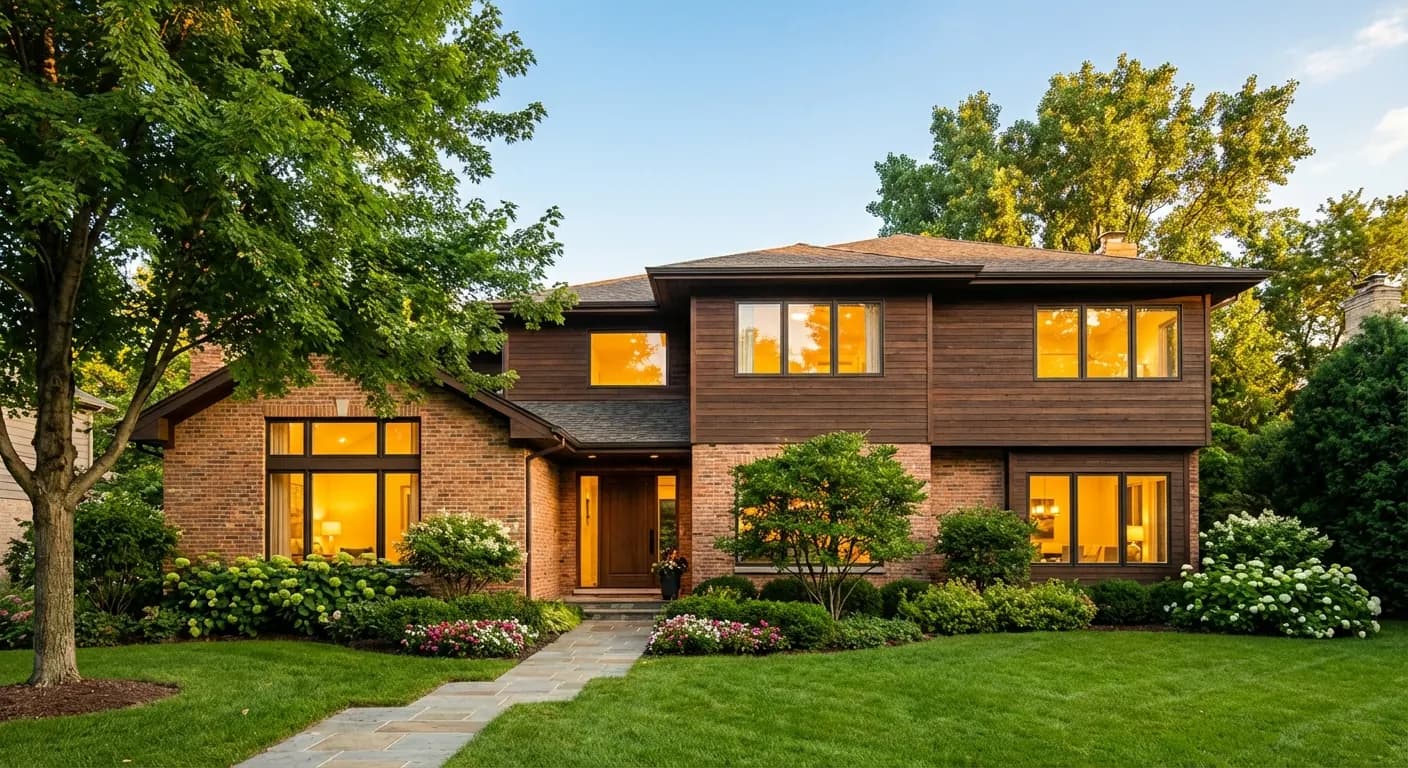
Choosing between casement vs double hung windows comes down to how each room works. Casement windows open outward with a crank and capture more airflow, while double hung windows slide up and down for classic looks, flexible ventilation, and easier cleaning on upper floors. Both can be excellent choices for New Jersey homes when they are measured, ordered, and installed correctly.
Request a free window replacement quote from Cosello Construction.
Cosello Construction installs both window styles for homeowners across South Jersey, Philadelphia, Delaware, and the surrounding Tri-State area. As an Andersen Certified Contractor with more than 20 years of window and door experience, our team helps homeowners match the right window type to the room, the home style, and the long-term performance goals.
Quick Answer: Casement or Double Hung?
Casement windows are usually better when you want maximum ventilation, a tighter seal, clearer views, and easy operation over a sink, counter, or tub. Double hung windows are usually better when you want a traditional look, easy interior cleaning, flexible top-and-bottom airflow, and compatibility with many standard window openings.
For many NJ homes, the best answer is not one style everywhere. A smart replacement plan may use casement windows in kitchens and bathrooms, double hung windows in bedrooms and front-facing rooms, and a combination of both throughout the home.
Casement vs Double Hung Windows: Side-by-Side Comparison
Factor | Casement Windows | Double Hung Windows |
Operation | Side-hinged sash opens outward with a crank | Two sashes slide vertically in the frame | Ventilation | Excellent, the full opening can catch and direct breezes | Very good, top and bottom sashes allow controlled airflow | Energy efficiency | Often stronger because the sash presses tightly against the frame | Strong with premium glass, weatherstripping, and professional installation | Cleaning | Easy on reachable windows, but exterior glass can be harder on upper floors | Very easy with modern tilt-in sashes | Security | Strong, especially with hook-shaped or multipoint locks | Strong with quality sash locks and properly fitted frames | Best rooms | Kitchens, bathrooms, hard-to-reach openings, modern rooms | Bedrooms, living rooms, second-story rooms, traditional homes |
Ventilation: Casement Windows Move More Air
If airflow is your top priority, casement windows often win. Because the sash opens outward, the entire glass area can become an opening for fresh air. The open sash can also act like a scoop, catching side breezes and directing them into the room.
This makes casement windows a strong choice for kitchens, bathrooms, laundry rooms, and smaller rooms that need fast ventilation. They are especially helpful above counters or sinks because the crank handle is easier to reach than lifting a sash.
Double hung windows still provide useful ventilation. You can open the bottom sash to bring air in, lower the top sash to release warm air near the ceiling, or open both partially to create natural airflow. They may not open as fully as casements, but they give homeowners more precise control.
Energy Efficiency: Installation Matters as Much as Style
Casement windows usually have a natural efficiency advantage because the sash closes tightly against the frame. When wind pushes against the window, it can actually help press the sash into the weatherstripping. That design can reduce air leakage when the window is closed.
Double hung windows can also perform very well, especially when you choose premium products with Low-E glass, quality weatherstripping, and properly fitted sashes. Andersen double hung windows, for example, are built for reliable operation and improved energy performance compared with older single-pane units.
For NJ homeowners, the bigger issue is often not the style alone. It is the quality of measurement, flashing, insulation, and sealing around the opening. A premium window installed poorly can still leak air or water. Cosello Construction follows manufacturer installation practices so your window replacement project supports comfort, performance, and long-term durability.
Explore professional window replacement options for your home.
Cleaning and Maintenance: Double Hung Has the Edge Upstairs
Modern double hung windows are popular because many models include tilt-in sashes. That means you can clean the exterior glass from inside your home. For second-story bedrooms, hallways, and stair landings, this is a major convenience.
Casement windows are simple to clean when they are on the first floor or in an easy-to-reach location. They have fewer horizontal rails than double hung windows, which can make the glass feel cleaner and more open. However, exterior access can be more difficult on upper floors unless the window design allows easy reach from inside.
Both styles benefit from basic seasonal maintenance. Keep tracks clean, inspect weatherstripping, test locks, and call a professional if a sash becomes difficult to operate. If your existing windows stick, rattle, leak, or show rot around the frame, replacement may be more cost-effective than repeated repairs.
Security: Both Styles Can Be Secure When Installed Correctly
Casement windows are known for strong security. Many models use hook-shaped locks or multipoint locking systems embedded in the frame. Because the sash opens outward and the lock engages from inside, casements can be difficult to pry open from the exterior.
Double hung windows use sash locks at the meeting rail, and premium models may include additional security features. When the frame is square, the sashes fit tightly, and the locks line up correctly, double hung windows can provide dependable protection for bedrooms, living rooms, and street-facing openings.
Security depends on product quality and installation quality. A loose frame, poor shimming, or misaligned lock can weaken either style. That is why experienced installation matters.
Cost: Double Hung Is Often Simpler, Casement Can Add Performance
Window pricing depends on size, brand, frame material, glass package, grille pattern, hardware, exterior trim, and the condition of the existing opening. Because every home is different, Cosello Construction provides quote-based pricing instead of one-size-fits-all numbers.
In general, double hung windows are often a straightforward replacement for many traditional window openings. Casement windows may cost more in some configurations because of the crank hardware, hinge system, and specialty sizing. However, the right casement placement can be worth it when airflow, energy performance, or easy operation is the priority.
The best value is the window that solves the problem in that room. A lower-cost style that does not ventilate well, match the home's architecture, or perform efficiently can lead to frustration later.
Aesthetics: Match the Window to the Home
Double hung windows have a timeless look that fits Colonial, Cape Cod, Craftsman, Victorian, and many suburban NJ homes. The divided sash design feels familiar and balanced, especially on front elevations where curb appeal matters.
Casement windows create a cleaner, more open glass area with fewer visual interruptions. They often fit modern homes, additions, kitchens, bathrooms, and spaces where homeowners want a wider view. They can also work well in traditional homes when grille patterns and exterior colors are selected carefully.
Andersen product options give homeowners flexibility in both styles, including frame materials, colors, hardware finishes, glass options, and grille designs. As an Andersen Certified Contractor, Cosello Construction can help you compare options that fit your home's design and performance goals.
Room-by-Room Recommendations
Kitchens
Casement windows are often the better fit for kitchens, especially over a sink or countertop. A crank handle is easier to operate than lifting a sash, and the full-opening design helps remove cooking heat and odors quickly.
Bedrooms
Double hung windows are a practical choice for many bedrooms because they offer controlled airflow, easy cleaning, and a traditional appearance. Casement windows may be better if the bedroom needs stronger ventilation or a clearer view.
Bathrooms
Casement windows work well in bathrooms because they move humid air quickly. Privacy glass, proper placement, and moisture-resistant trim should be considered during planning.
Living Rooms and Dining Rooms
Double hung windows often suit front-facing living spaces because they preserve classic curb appeal. Casement windows can work well when the goal is more glass, better airflow, or a more contemporary look.
Second-Story Windows
Double hung windows with tilt-in sashes are usually easier to clean from inside the home. Casement windows can still be a good fit, but cleaning access should be discussed before ordering.
How Cosello Helps You Choose the Right Window Style
Cosello Construction does not treat window replacement as a product-only decision. Our team looks at the opening, the room use, the home's exterior, ventilation needs, energy goals, and your budget before recommending casement, double hung, or another window style.
Homeowners choose Cosello because we specialize in windows and doors, not general remodeling. Our technicians bring 10 to 20 years of individual experience, and our installations are backed by a 2-year labor warranty. Most projects are completed efficiently, with clear communication from quote to cleanup.
Call (856) 317-1770 or request a quote to compare casement and double hung windows for your NJ home.
Final Recommendation
Choose casement windows when you want maximum ventilation, strong sealing, easy crank operation, and open views. Choose double hung windows when you want classic style, flexible top-and-bottom airflow, easy cleaning, and a practical fit for standard openings.
For many New Jersey homes, the strongest window replacement plan uses both. Cosello Construction can help you compare Andersen casement and double hung options, measure each opening, and install the right window style for every room.