

Rising utility bills, persistent drafts, and rooms that never feel comfortable often point to aging windows. For South Jersey homeowners, energy efficient window replacement can reduce heat transfer through the glass and frame while improving year-round comfort. The best results come from matching the glazing, frame, window style, and installation method to the home's actual needs.
Ready to lower your energy bills with new windows? Contact Cosello Construction for a free quote or call (856) 317-1770 today.
This guide explains the options that matter most, including Low-E glass, gas fills, frame materials, NFRC ratings, installation quality, and available incentives. Use it to compare quotes on performance rather than marketing language, then review Cosello Construction's window replacement services when you are ready for a professional assessment.
What Makes a Window Energy Efficient?
An energy-efficient window reduces unwanted heat transfer and air leakage through three connected components: insulated glass, a low-conductivity frame, and a properly sealed installation. Compare the NFRC label on each product, especially its U-factor, Solar Heat Gain Coefficient, Visible Transmittance, and Air Leakage rating.
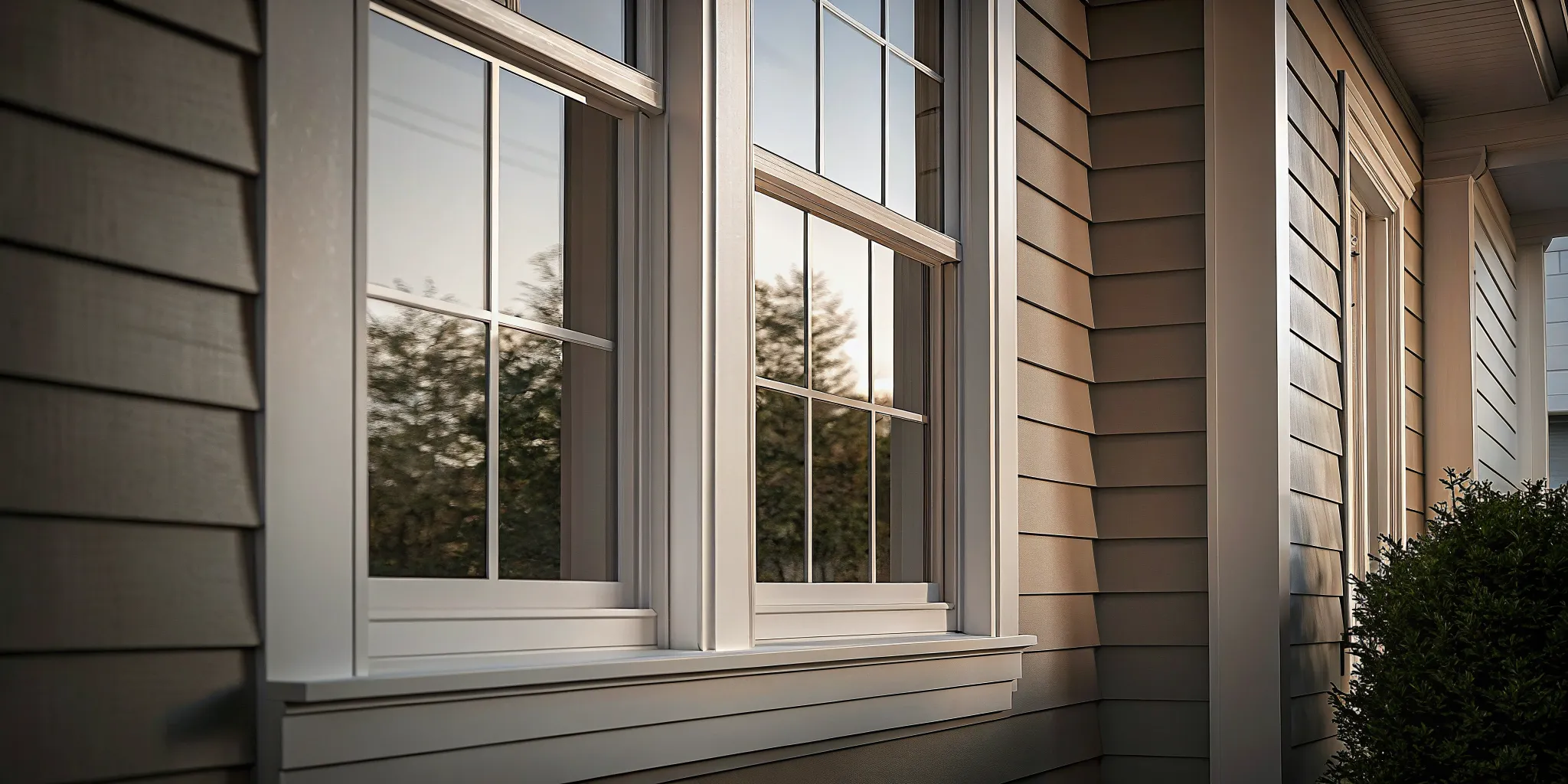
The glass (or glazing) is where most of the technology lives. Modern energy-efficient windows use multiple panes of glass with insulating gas fills between them, plus special coatings that reflect heat. The frame material determines how well the window resists heat conduction around its edges. And the installation quality determines whether all that technology actually performs as rated, because even the best window loses its efficiency if it's installed with gaps or poor sealing.
When shopping for replacement windows, you'll see several technical terms on spec sheets. Here's what they mean:
- U-Factor: Measures how well a window prevents heat from escaping. Lower numbers are better. For South Jersey's climate (IECC Zone 4), look for U-factors of 0.30 or below.
- Solar Heat Gain Coefficient (SHGC): Measures how much solar radiation passes through the glass. Lower SHGC means less unwanted heat gain in summer. Aim for 0.25 or lower in our region.
- Visible Transmittance (VT): How much natural light the window lets through. Higher is better for keeping rooms bright without turning on lights.
- Air Leakage (AL): Measures how much air passes through joints in the window assembly. Look for ratings of 0.30 or less.
Top Energy-Efficient Glass Options Compared
Glass technology is the single biggest factor in a window's energy performance. Here are the main options available for replacement windows in 2025.
Double-Pane Low-E Glass
Double-pane windows with Low-E (low-emissivity) coatings are the most popular choice for energy-efficient replacements. A thin, transparent metallic coating on the glass reflects infrared heat while still allowing visible light through. In winter, Low-E coatings reflect your furnace heat back inside. In summer, they reflect the sun's heat away from your home.
Most double-pane Low-E windows include argon gas fill between the panes. Argon is denser than air and slows heat transfer, improving the window's insulating value by about 15% compared to air-filled double panes.
Best for: Most South Jersey homes. Offers strong energy savings at a reasonable price. Typical U-factor: 0.25-0.30.
Triple-Pane Windows
Triple-pane windows add a third layer of glass and a second gas-filled cavity. This extra layer provides roughly 20-30% better insulation than double-pane Low-E windows. They also reduce outside noise significantly, which is a bonus if your home is near a busy road or airport flight path.
The tradeoff is cost and weight. Triple-pane windows cost 15-25% more than comparable double-pane units, and they're heavier, which can sometimes require frame reinforcement during installation.
Best for: Homeowners focused on maximum energy savings and noise reduction. Especially worthwhile for north-facing windows that get little solar heat gain. Typical U-factor: 0.15-0.20.
Low-E with Krypton Gas Fill
Krypton gas is denser than argon and provides better insulation in thinner spaces. Some manufacturers use krypton in triple-pane windows where the overall unit thickness needs to stay slim enough to fit existing frame openings. Krypton-filled windows cost more, but they deliver the best thermal performance per inch of thickness.
Best for: Renovation projects where frame depth is limited but maximum efficiency is desired.
| Glass Type | Typical U-Factor | Relative Cost | Best Application |
|---|---|---|---|
| Single-pane (old) | 1.00+ | Baseline | Replacement needed |
| Double-pane, no coating | 0.45-0.55 | $ | Budget replacements |
| Double-pane Low-E + Argon | 0.25-0.30 | $$ | Most South Jersey homes |
| Triple-pane Low-E + Argon | 0.15-0.20 | $$$ | Maximum efficiency |
| Triple-pane Low-E + Krypton | 0.12-0.17 | $$$$ | Premium efficiency, tight spaces |
Bottom line: For most South Jersey homeowners, double-pane Low-E windows with argon gas fill offer the best balance of performance and value. Triple-pane windows make sense if your budget allows and you want the highest possible energy savings.
Which Window Frame Material Saves the Most Energy?
Vinyl and insulated fiberglass frames generally provide the strongest energy performance with the lowest maintenance, while wood offers natural insulation and a traditional appearance. The best choice depends on budget, design goals, exposure, and the condition of the existing opening.
The frame accounts for 10-30% of a window's total area, so its thermal performance matters more than most homeowners realize. Here are the most common frame materials for energy-efficient replacement windows.
Vinyl Frames
Vinyl (PVC) frames are the most popular choice for replacement windows in the mid-Atlantic region. They don't conduct heat the way aluminum does, they resist moisture damage, and they never need painting. Higher-quality vinyl frames include multiple hollow chambers that trap air and improve insulation.
Energy performance: Excellent. Vinyl conducts very little heat and holds up well in South Jersey's temperature swings from 20 degrees F in January to 90+ degrees F in July.
Maintenance: Minimal. Wipe clean with soap and water.
Cost: Low to moderate. Most affordable frame option for energy-efficient windows.
Fiberglass Frames
Fiberglass frames are stronger than vinyl and expand and contract at nearly the same rate as the glass itself. This means the seal between the frame and glass stays tight over time, maintaining energy performance for decades. Fiberglass can be painted, giving homeowners more color options.
Energy performance: Excellent to superior. Some fiberglass frames are filled with foam insulation for even better thermal resistance.
Maintenance: Very low. Can be repainted if desired.
Cost: Moderate to high. 15-30% more than vinyl.
Wood Frames
Wood is a natural insulator and provides a classic look that many homeowners in older South Jersey neighborhoods prefer. Modern wood windows typically feature aluminum or vinyl cladding on the exterior to reduce maintenance while keeping the warm wood interior.
Energy performance: Good to excellent, depending on wood species and construction.
Maintenance: Higher than vinyl or fiberglass. Interior wood may need periodic refinishing.
Cost: High. Premium option.
Composite Frames
Composite frames combine wood fibers with polymer resins to create a material that looks like wood but resists rot and moisture like vinyl. They're a middle ground between the aesthetics of wood and the durability of synthetic materials.
Energy performance: Good to excellent.
Maintenance: Low to moderate.
Cost: Moderate to high.
Looking for expert guidance on the right frame material for your home? Schedule a free consultation with our team, or call (856) 317-1770.
How ENERGY STAR Ratings Work for Windows in New Jersey
ENERGY STAR certification confirms that a window meets climate-specific efficiency requirements, while the NFRC label provides the numbers needed to compare individual products. South Jersey homeowners should compare both labels and confirm that the selected package suits the home's orientation and comfort concerns.
ENERGY STAR is a federal program that certifies products meeting specific energy efficiency standards. For windows, the requirements vary by climate zone. South Jersey falls into the ENERGY STAR Northern climate zone (IECC Zone 4), which has the following requirements for 2025:
- U-Factor: 0.30 or lower
- SHGC: 0.40 or lower
Choosing ENERGY STAR-certified windows matters for two reasons beyond energy savings. First, many rebate and financing programs require ENERGY STAR certification. Second, the ENERGY STAR label gives you a reliable baseline for comparing products across different manufacturers.
The National Fenestration Rating Council (NFRC) label on every ENERGY STAR window shows the exact U-factor, SHGC, VT, and air leakage numbers. When comparing quotes from different window companies, use these numbers to make apples-to-apples comparisons rather than relying on marketing claims alone.
How Much Can New Windows Save on Energy Bills?
Energy savings vary by the condition of the existing windows, the replacement product, installation quality, and the home's insulation and HVAC system. Replacing old single-pane units typically creates a larger improvement than replacing relatively modern double-pane windows.
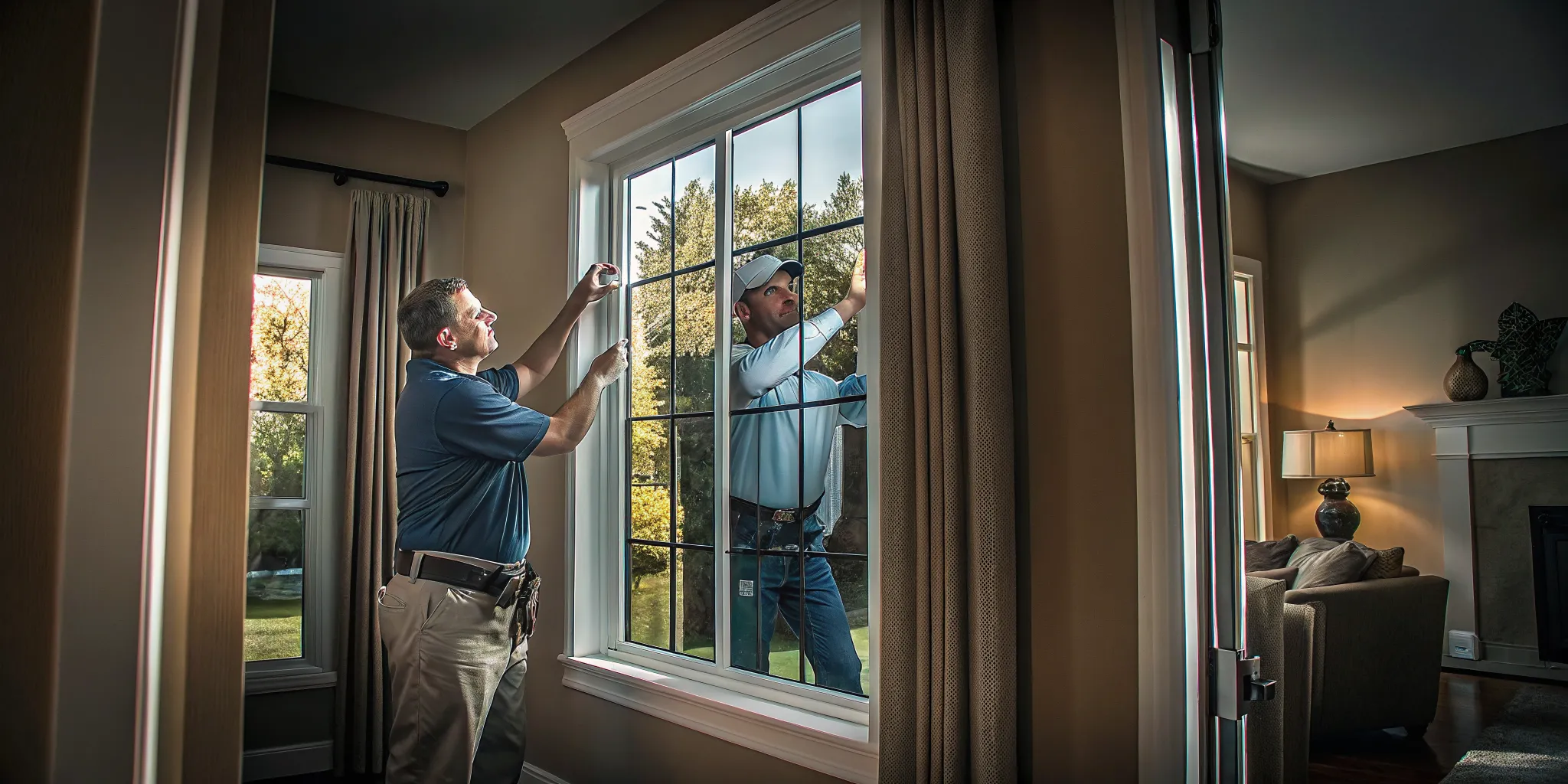
The exact savings depend on what you're replacing, how many windows you're replacing, and your home's overall insulation. Here are realistic estimates based on U.S. Department of Energy data for homes in the mid-Atlantic region:
- Replacing single-pane windows with ENERGY STAR double-pane: Save $126 to $465 per year on energy bills
- Replacing double-pane clear glass with ENERGY STAR Low-E: Save $27 to $111 per year
- Whole-house window replacement (10-15 windows): Typical savings of $200 to $400+ per year
Beyond the direct energy savings, new windows can also:
- Reduce HVAC wear and extend equipment life
- Eliminate cold drafts and hot spots that force you to over-condition rooms
- Block UV rays that fade furniture, flooring, and artwork
- Improve your home's resale value (NAHB data shows window replacement returns 60-70% of its cost at resale)
Best Window Styles for Energy Efficiency
Not all window styles perform equally when it comes to air sealing. The way a window opens and closes determines how tightly it seals when shut.
Most efficient styles:
- Casement windows: Hinged on one side and crank outward. The closing mechanism presses the sash tightly against the frame, creating a compression seal that minimizes air leakage. Cosello Construction installs Andersen casement windows that consistently test among the lowest air leakage ratings in the industry.
- Awning windows: Similar compression seal to casements, but hinged at the top. Great for ventilation during rain since the glass acts as a shield.
- Picture windows: Fixed (non-operable) windows have zero air leakage since they don't open. If you have windows you never open, replacing them with fixed picture windows eliminates one source of energy loss entirely.
Good efficiency with proper installation:
- Double-hung windows: The most common style in South Jersey homes. Modern double-hung windows use interlocking weatherstripping and spring-loaded balances for a tight seal. They're not quite as airtight as casements, but high-quality units with proper installation perform very well.
- Sliding windows: Similar to double-hung but oriented horizontally. Good for rooms where outward-opening windows aren't practical.
What to Look for When Choosing an Installer
Installation quality determines whether a replacement window performs close to its rating. A qualified installer evaluates the opening, chooses the correct replacement method, manages water and air sealing, and explains the warranty before work begins.
The most energy-efficient window in the world won't perform to its ratings if it's installed poorly. Studies from the American Architectural Manufacturers Association show that up to 40% of a window's energy performance depends on installation quality. Here's what to look for:
- Manufacturer certification: An installer certified by the window manufacturer has been trained specifically on that product. Cosello Construction is an Andersen Certified Contractor, which means our technicians are factory-trained on Andersen products and our installations are backed by both Cosello's 2-year labor warranty and Andersen's product warranty.
- Proper flashing and sealing: Ask how the installer handles the gap between the window frame and the rough opening. Quality installers use foam backer rod, low-expansion spray foam, and exterior flashing tape to create a continuous air and water barrier.
- Full-frame vs. insert installation: For older homes with deteriorated frames, a full-frame replacement (removing the old frame down to the rough opening) provides better insulation and air sealing than an insert replacement. A good installer will recommend the right approach based on your home's condition.
- NJ licensing: New Jersey requires window installation contractors to hold a valid Home Improvement Contractor (HIC) license. Always verify before signing a contract.
Cosello Construction has been installing energy-efficient windows across South Jersey, Philadelphia, and the tri-state area since 2003. Our 10-20 year experienced technicians typically complete projects in 2 weeks. Get your free estimate or call (856) 317-1770.
Available Rebates and Tax Credits for Window Replacement in NJ
Several financial incentives can offset the cost of energy-efficient window replacement in New Jersey:
- Federal Energy Efficient Home Improvement Credit (25C): Homeowners can claim up to 30% of the cost of ENERGY STAR Most Efficient windows, up to $600 per year for windows. The windows must meet the ENERGY STAR Most Efficient criteria (stricter than standard ENERGY STAR).
- New Jersey Clean Energy Program: The NJ Board of Public Utilities offers rebates for whole-home energy efficiency improvements that include window upgrades as part of qualifying projects.
- Utility rebates: Some NJ utilities, including PSE&G and Atlantic City Electric, offer seasonal rebates or incentives for energy-efficient home improvements. Check with your utility provider for current offers.
- Manufacturer rebates: Andersen, Marvin, and other premium manufacturers periodically offer promotional rebates on their energy-efficient product lines.
For more details on funding options, visit our financing page or contact us about the latest available programs.
Frequently Asked Questions About Energy-Efficient Windows
These direct answers address common questions South Jersey homeowners ask while comparing energy-efficient window options.
How long do energy-efficient windows last?
Quality energy-efficient windows from manufacturers like Andersen typically last 20 to 30 years before needing replacement. The gas fills between panes can slowly leak over time, reducing efficiency by about 5-10% after 15-20 years. Vinyl and fiberglass frames often outlast wood frames, which may need component repairs sooner.
Are triple-pane windows worth the extra cost in South Jersey?
For most South Jersey homes, double-pane Low-E windows with argon fill provide the best return on investment. Triple-pane windows make financial sense if you're in an especially exposed location, have large window openings on north-facing walls, or plan to stay in your home 15+ years to recoup the higher upfront cost through energy savings.
Can I replace windows one room at a time?
Yes. Many homeowners start with the rooms that have the worst-performing windows or the rooms where comfort is most important (bedrooms, living rooms). Keep in mind that replacing all windows at once is usually more cost-effective per window due to reduced mobilization and setup costs.
Do energy-efficient windows eliminate condensation?
Energy-efficient windows significantly reduce condensation because the interior glass surface stays warmer. However, extremely high indoor humidity levels (above 40-50% in winter) can still cause some condensation even on high-performance windows. If condensation appears between the panes, the seal has failed and the window needs repair or replacement.
What is the payback period for energy-efficient windows?
The payback period varies widely based on what you're replacing and how many windows you install. Homeowners replacing old single-pane windows typically see a payback period of 5 to 10 years. Replacing newer double-pane windows with upgraded Low-E versions has a longer payback of 10 to 15+ years, though the comfort improvements are immediate.
Do I need permits to replace windows in New Jersey?
In most NJ municipalities, replacing existing windows with same-size units does not require a permit. If you're changing the window size, adding new window openings, or making structural modifications, you'll likely need a building permit. Your installer should handle the permit process when required.
How do I know if my current windows are energy efficient?
Look for an NFRC label on the window frame or between the panes of glass. If there's no label, check for these signs of poor efficiency: single-pane glass, visible condensation between panes, drafts around the frame, difficulty opening or closing (indicating warped frames), and visible daylight around the edges. A professional energy audit can measure your windows' actual performance and identify the worst performers.
Next Steps: Get a Free Window Assessment
Every home is different, and the best window choice depends on your home's age, existing frames, sun exposure, and budget. Cosello Construction's certified technicians can assess your current windows, recommend the right energy-efficient options for each room, and provide a detailed estimate with no obligation.
As an Andersen Certified Contractor with 20+ years of experience across South Jersey, Philadelphia, and Delaware, we handle everything from measurement to installation. Most residential projects are completed within 2 weeks, and we back our work with a 2-year labor warranty on top of the manufacturer's product warranty.
Request your free window assessment today or call (856) 317-1770 to speak with our team.