

A scattered window replacement plan turns occupied buildings into a scheduling problem. Clear scope keeps budgets, tenant communication, installation phases, and daily property operations under control from the start.
Multifamily window replacement South Jersey projects start with a building-by-building scope, not a single window count. Property managers should document window types, sizes, damage, unit access needs, occupied spaces, and priority repairs before requesting pricing. A useful plan also groups work into phases, identifies tenant notice steps, and flags common-area windows that may need different access. This early review helps owners compare proposals on the same basis, reduce surprises, and plan work around residents. It also creates a practical path for deciding whether to replace every window at once or schedule the project by building, floor, or unit turnover. For mixed-use or multi-unit properties, the right scope connects the physical work to budget timing, resident communication, and day-to-day operations.
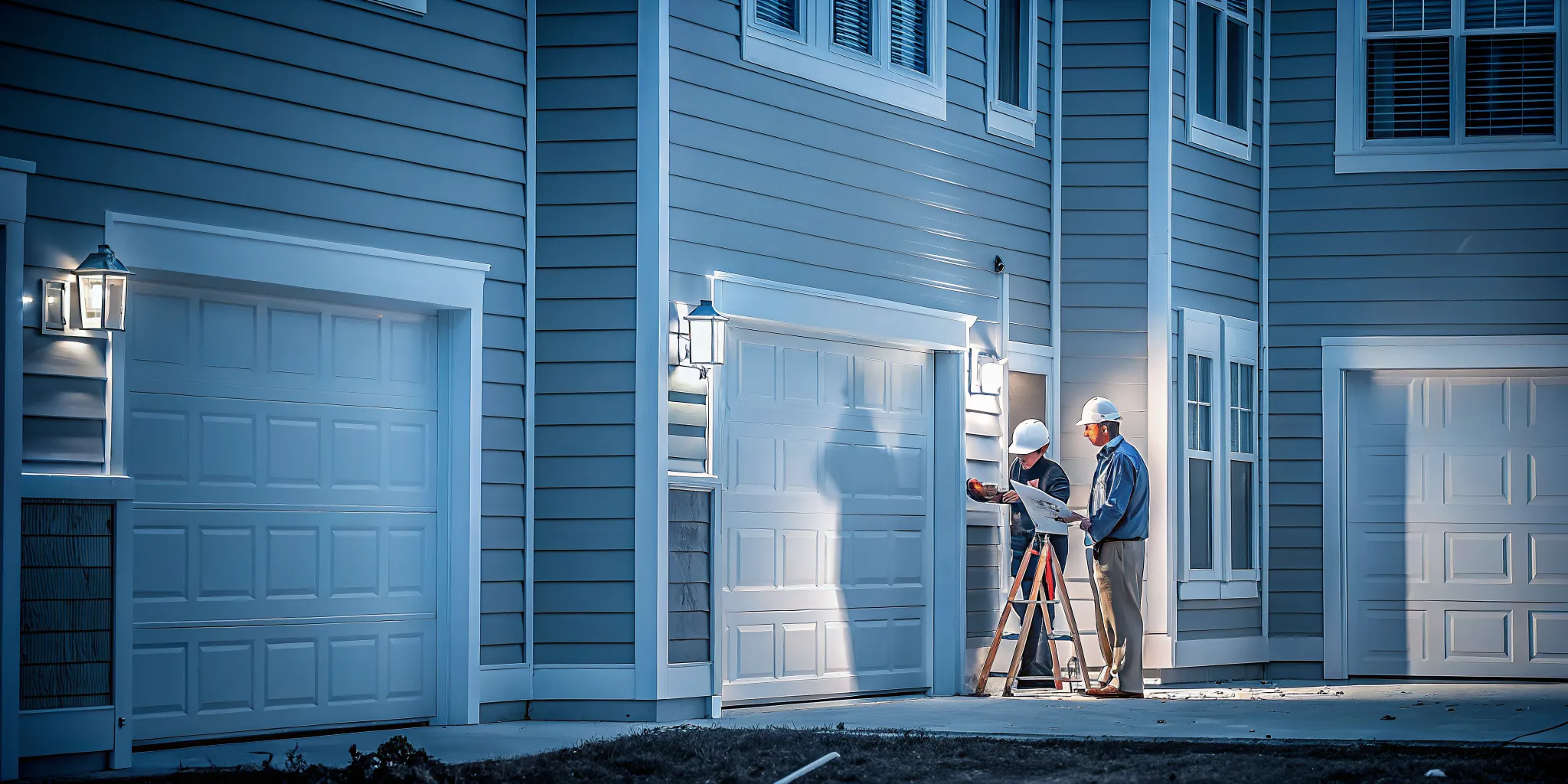
The first question is not which product to buy. It is how to turn a property-wide need into a clear, workable plan for each building. Here is how.
Multifamily window replacement South Jersey: define the scope first
Property inventory
Before requesting quotes, build a clear count of the property. List each building, floor, unit stack, and common area with windows. Record window styles, rough sizes, and any windows that may need special access. Note stairwells, basements, shared halls, leasing offices, and utility rooms.
Keep the inventory simple enough for site walks. A spreadsheet can use one row for each window group. Group matching windows by building, floor, and unit stack when practical. Separate windows with different styles, sizes, or access needs. This gives contractors a useful starting point for a window replacement review.
Observed issues and site access
Document what staff can see without making a final diagnosis. Note drafts, hard-to-open sashes, damaged frames, loose hardware, fogged glass, water stains, and signs of condensation. Photos can help contractors focus their inspection on the right areas.
Access notes matter in occupied buildings. Record which units are vacant, occupied, or subject to limited entry windows. Note parking limits, loading areas, elevators, stairs, landscaping, and any space needed for lifts or staging. Include tenant notice rules and building-specific work hours in the quote request.
Scope documentation for comparable quotes
A short scope package helps each bidder review the same project. Include a property map, the window inventory, photos, access notes, common-area details, and a contact for site walks. Flag any count that still needs field verification. Do not assume that one sample unit represents every building.
- List buildings, unit stacks, floors, common areas, and window groups.
- Mark occupied units, vacant units, access limits, and notice needs.
- Add photos of typical windows and problem areas.
- State which choices matter most, such as durability, maintenance, energy use, appearance, phasing, and budget planning.
- Ask bidders to separate base scope items from optional work and open questions.
For multifamily window replacement South Jersey planning, define how the team will compare quotes before the walk-through. The lowest total may not describe the same work as another bid. Clear decision criteria make later review more useful for owners, property managers, and contractors.
How should you phase a multifamily window replacement project?
Planning before the first installation
A multifamily window replacement South Jersey project works best when the schedule starts with the building, not a delivery date. Each property has its own unit layout, access limits, resident needs, and exterior conditions. The contractor walkthrough should shape the final sequence.
Property teams should also check local permit needs before work begins. The contractor should confirm the project requirements. For related product and installation planning, review the window replacement service page.
A seven-step project sequence
- Build the window inventory. List windows by building, unit, floor, room, type, size, and visible condition. Note occupied units, vacant units, and any access limits.
- Schedule a contractor walkthrough. Walk the property with the installer and compare field conditions with the inventory. Check parking, staging areas, delivery access, and safe work routes.
- Align the scope. Confirm which windows are included, which details need repair, and where conditions may change the plan. Record product choices, trim needs, and unit-specific exceptions.
- Plan resident notices. Set the notice process before scheduling occupied units. Explain the work area, access window, preparation steps, contact path, and plan for rescheduling.
- Install in manageable phases. Group work by building, wing, floor, or unit stack based on the walkthrough. Keep each phase small enough to track access issues and open items.
- Track the punch list. Review completed units as each phase closes. Log missing parts, finish work, resident concerns, and return visits in one shared list.
- Complete closeout. Confirm that open items are resolved and collect the final records. Keep product details, warranty documents, and completed-unit notes with the property file.
Controls that keep phases moving
Use one schedule for the property team, contractor, and resident contact. Update it when access changes or field conditions affect a unit. This helps the next phase start with fewer loose ends.
The exact pace depends on the property and contractor assessment. A smaller building may move in a tight sequence. A larger site may need separate crews, delivery windows, or resident notice groups. The useful plan is the one the team can update each day.
Plan tenant communication, access, and safety before work begins
Occupied buildings need a clear plan before crews arrive. For multifamily window replacement in South Jersey, align property staff, residents, and the installation team around one schedule. A simple process helps prevent missed entries, unsafe work areas, and avoidable delays.
Tenant notices and one point of contact
Send residents a plain-language notice that explains the planned work area, expected access needs, and the best way to ask questions. Set the timing with the property manager based on the building, lease terms, and project schedule. Do not assume one notice window fits every property.
Name one property contact for the crew and residents. That person can track unit access, special requests, and schedule changes without sending tenants between several people. Share a daily update with completed units, next-day work areas, and any access issues that still need action.
Unit access and work-area preparation
Use a written unit list for each workday. It should note approved access, resident availability, and any instructions for keys or staff escorts. Before work begins, ask residents to clear furniture, curtains, blinds, and fragile items from the window area. Property staff should confirm how much open space the crew needs.
Plan for privacy as well as access. Crews should enter only the approved rooms and follow the property's entry process. Residents also need clear instructions for pets. Dogs, cats, and other animals should stay away from active work areas and open window spaces.
Daily safety coordination
Walk the day's work areas with the site contact before installation starts. Note paths for workers, material staging areas, and spaces that residents should avoid. The team should also plan how to secure tools, remove debris, and protect open window spaces during each unit visit.
Safety planning must match the property and the work. Confirm the site plan with the contractor. Include any shared hallways, entrances, parking areas, or outdoor staging zones affected by the job.
Close each day with a short status check. Confirm which units are complete, which need another visit, and whether tomorrow's access list has changed. Property managers can contact Cosello Construction to discuss scheduling details for an occupied building.
Compare window priorities for your property and operating goals
Start with the property plan
A multifamily window replacement South Jersey project starts with the building, not a product list. Compare each option against the age of the property, the number of units, and the work areas. A written scope also helps the team flag openings that may need closer review.
Property managers should weigh durability, routine care, tenant comfort, and budget fit together. The least costly option at bid time may not match the way the property is used. Cosello's window replacement service can help frame the discussion around fit, sealing, insulation, trim, and weatherproofing.
| Discussion point | What to compare | Why it matters for multifamily work |
|---|---|---|
| Durability | Frame material, hardware, and expected use | Common areas and occupied units may face different wear. |
| Maintenance | Cleaning, hardware access, and repair needs | Simple care can make upkeep easier to plan. |
| Tenant comfort | Draft concerns, operation, and room conditions | Comfort needs may vary by unit location. |
| Installation conditions | Opening size, trim, framing, and access | Site conditions can change the work scope. |
| Budget fit | Priority units, phasing, and planned repairs | A clear scope supports a more useful comparison. |
Energy-efficiency considerations
Energy-efficiency features deserve a separate review. Start with the full window assembly, not one label or glass feature. Ask how the frame, glazing, fit, sealing, and insulation work together at each opening. Do not treat a feature list as a savings promise. Building conditions, tenant use, and installation details can affect the result after the work is complete.
Installation conditions and budget fit
Some openings are straightforward. Others may show damaged trim, framing concerns, or water-related issues once work begins. A walk-through should note occupied units, access limits, and likely repair allowances before the schedule is set.
Budget discussions are more useful when they separate must-have items from optional upgrades. Ask which units need priority, whether work can be phased, and how added repairs will be documented. Reviewing available window brands can then focus the conversation on property needs instead of a one-size-fits-all choice.
What belongs in a bid-ready window replacement checklist?
A clear checklist helps each contractor price the same work. That makes bids easier to compare and reduces follow-up questions. For multifamily window replacement in South Jersey, start with a building-level summary and a unit-level opening inventory.
Property details and opening inventory
Record the property address, building count, unit count, and the number of occupied units. Then list each window opening by building, unit, room, and location. Note the window type, rough size, floor level, visible damage, and any trim or framing concerns. Add labeled photos for leaks, rot, water stains, or hard-to-reach openings.
Use the same naming system in the photos and the inventory. A contractor can then connect a condition note to the right opening. Review the planned scope against Cosello's window replacement service before requesting bids.
- Property address, building count, unit count, and occupied-unit count.
- Opening ID, building, unit, room, window type, and rough size.
- Floor level, access notes, visible issues, and labeled photos.
- Product discussion points, including frame material, glass, finish, screens, and hardware.
Access, tenants, and job-site planning
Describe when crews can enter units and who will provide access. State who sends tenant notices, how much notice residents receive, and how missed appointments are handled. Include parking, elevator use, stair access, loading areas, work hours, and any limits on noise or staging.
- Unit-entry process and tenant communication owner.
- Allowed work hours, parking, loading, elevator, and stair details.
- Material staging area and daily cleanup plan.
- Removal, hauling, and disposal responsibility.
- Process for hidden damage, change orders, and schedule updates.
Closeout and a fair bid format
Ask each bidder to return pricing in the same format. Separate base scope, options, allowances, and unit prices for added work. Request a schedule by building or phase, plus a clear list of exclusions.
Closeout details belong in the bid request, not at the end of the job. Ask who completes the final walk-through and how punch-list items are tracked. Request product warranty documents, labor warranty terms, care instructions, and a record of installed windows by opening ID.
- Base price, options, allowances, unit prices, exclusions, and payment terms.
- Schedule by building or phase, with occupied-unit planning.
- Final walk-through, punch-list process, and completion sign-off.
- Product warranty, labor warranty, care guide, and installed-window record.
How do you evaluate contractors and compare bids?
Walkthrough quality and written scope
Start with the walkthrough, not the bottom-line price. A strong contractor asks how the property works before proposing a plan. Expect questions about occupied units, access hours, tenant notices, parking, debris paths, and daily cleanup. The contractor should also inspect openings closely and flag places where hidden damage may affect the work.
Ask each bidder to price the same written scope for your multifamily window replacement South Jersey project. The scope should name window types, quantities, materials, installation steps, disposal, and finish work. It should also state assumptions and exclusions in plain language. Cosello's commercial window replacement page explains the service context for larger properties.
Site planning and communication
A useful bid describes how crews will move through the building. Look for a staging plan, a daily work sequence, and one clear point of contact. Ask who sends tenant notices and who handles access problems. The answers should show how the contractor will limit disruption without rushing the install.
Safety planning matters as much as scheduling. Ask bidders how they protect residents, workers, walkways, and active areas during each phase. The contractor should explain barriers, debris control, ladder or lift use, and end-of-day checks.
Bid review and closeout expectations
Compare the bids line by line. A lower total may leave out finish repairs, permit work, disposal, or support for occupied units. Ask each contractor to explain how change orders work before signing. You should know what triggers added cost, who approves it, and how the contractor records it.
- Confirm the product schedule and the count for each window type.
- Review assumptions, exclusions, allowances, and payment milestones.
- Ask for the project lead, notice process, and issue-response path.
- Request a written closeout list for cleanup, punch items, and final records.
Past work can also show whether a contractor understands phased commercial jobs. Review examples of commercial projects and ask what made each job complex. The best comparison is not price alone. It is the clearest workable plan for your property, tenants, and team.
Finalize scheduling, punch-list tracking, and closeout
Once products, measurements, and unit access plans are set, the work schedule needs a clear handoff. For multifamily window replacement in South Jersey, managers should map each work area by building, floor, and unit. The schedule should name the person who can answer access questions and approve field changes.
Unit readiness checks
Before a crew arrives, confirm that each unit is ready for safe, efficient work. Residents need a simple notice that explains where to move furniture, blinds, and personal items. Property staff should note occupied units, vacant units, pet concerns, and access limits.
- Confirm the unit number, window count, and planned work area.
- Check that the crew can reach each opening without blocked paths.
- Record special access notes and the right contact for that unit.
- Flag visible damage that may need review before work begins.
These checks support a smoother window replacement process. They also help the crew separate planned installation work from repairs that need a scope review. If a readiness check fails, move that unit into a follow-up queue instead of leaving the issue informal.
Daily issue tracking
A daily issue log keeps field questions from becoming missed details. Use one shared list for unit numbers, photos, damage notes, access problems, and next actions. Give each item an owner and update its status after review.
Residents should receive updates when access plans change or when a unit needs a follow-up visit.
Punch-list review and records
Closeout starts with a unit-by-unit punch list. Review window operation, locks, screens, trim, sealant, cleanup, and any open repair notes. Keep the list tied to unit numbers so property staff can confirm which items are complete.
The final file should gather the approved scope, product records, issue log, punch-list status, photos, warranty details, and resident notices. Store unresolved items in a separate follow-up list with an owner. This gives the property team a practical record for maintenance staff and future planning.
Frequently Asked Questions
How much does it cost to replace windows in a South Jersey multifamily property?
The cost depends on the number of openings, window sizes, product choices, access needs, and building conditions. Request a written scope after an on-site review. The estimate should separate window costs, installation labor, access equipment, disposal, permits, and possible repairs for hidden damage.
Do I need a permit to replace windows in a South Jersey multifamily building?
Permit requirements depend on the municipality, building type, and project scope. Before ordering windows, confirm the local process with the municipal construction office. Ask the contractor to document permit responsibility, inspections, and any requirements for access or tenant safety.
What window rebates are available for NJ multifamily properties?
Rebates and incentives can vary by utility program, building type, window product, and project timing. Do not assume that a residential offer applies to a multifamily building. Before approving the budget, check current program terms and eligibility. Keep product specifications, invoices, and installation records.
Can multifamily window replacement be phased to reduce tenant disruption?
Yes. A phased schedule can organize work by building, floor, stack, or group of units. The plan should identify daily access windows, tenant notice timing, protection for occupied spaces, and cleanup responsibilities. Reserve time for units with access issues or hidden damage.
How should property managers plan for hidden damage during window replacement?
Older multifamily buildings can have rot, water damage, or framing problems around existing windows. Include a written process for documenting concealed conditions, pricing repair work, and approving changes before repairs begin. The schedule should leave room for openings that need extra repair time.
Ready to plan your multifamily window project?
Delaying window replacement can make budgeting harder when drafts, leaks, or damaged openings turn routine planning into urgent repair decisions across multiple units. Starting now gives your team time to inspect priorities, group units into workable phases, coordinate tenant access, and set expectations before schedules tighten.
Ready to plan the next step for your property? Contact Cosello Construction or call (856) 317-1770 to request a quote for your multifamily window replacement project and discuss a practical starting point for your building.