
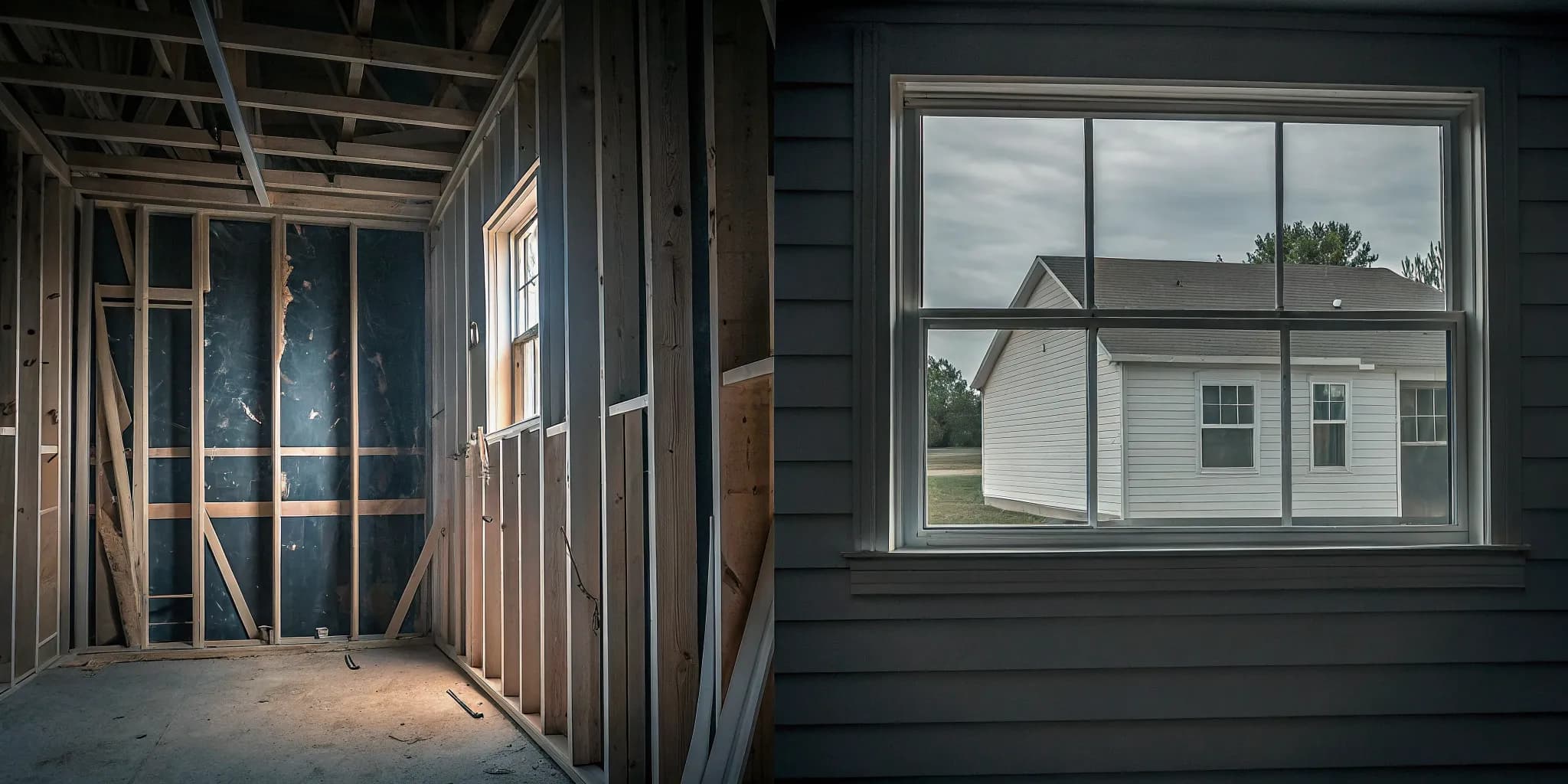
The project label does not decide the right window. The condition of each opening does.
Ready to plan windows for your NJ addition? Schedule a consultation with Cosello Construction.
New construction windows vs replacement windows NJ projects differ mainly in how crews attach and seal each unit. New construction windows include a nailing flange, so installers can fasten them to exposed framing and integrate flashing with the weather barrier. They usually suit additions, major renovations, or openings with damaged frames. Replacement windows fit inside an existing window frame, which keeps interior and exterior finishes largely intact. They often suit renovations where the frame remains square, sound, and properly sealed. The better choice depends on access to the wall framing, the condition of the existing frame, the desired glass area, and the project budget. A careful opening inspection should guide the decision before products are ordered.
The real question is not whether your New Jersey project is called an addition or renovation. It is which installation method protects the opening without adding needless demolition. The core differences below can help you prepare for an installer assessment.
New construction windows vs replacement windows NJ: the core difference
The main difference is how each window connects to the house. A new construction window usually attaches directly to exposed wall framing. A replacement window can often fit within an existing frame that remains sound, square, and free of rot.
How new construction windows attach
New construction units commonly have a nailing fin around the outer edge. The installer fastens that fin to the framing before tying it into the water-resistive barrier. This method often suits a new home, an addition, or a project where siding and trim are already being removed.
The open wall gives the installer access to the rough opening and the layers that manage water. That access can help address damaged framing or change the window size. The U.S. Department of Energy guidance on updating windows advises homeowners to consider their home's condition, climate, and design when weighing window options.
What replacement can mean
An insert replacement fits a new window inside the existing window frame. It can limit disruption because the surrounding trim, siding, and wall often stay in place. The tradeoff is a slightly smaller glass area, since the old frame remains around the new unit.
A full-frame replacement is different. The crew removes the old window, frame, and related parts down to the rough opening. This method may fit when the frame has rot, poor flashing, or damage that an insert would hide. Homeowners comparing options can review Cosello Construction's window replacement services before discussing the opening's condition.
The installation method matters most
The product label does not decide the installation method by itself. A window sold as a replacement unit may still require broad removal if the existing frame cannot stay. Likewise, some renovation projects use finned windows after the wall is opened.
For New Jersey homes, the right choice depends on what the crew finds around each opening. Existing frame condition, siding plans, trim details, water control, and the desired glass area all matter. An on-site review can confirm whether an insert or full-frame approach fits the project before work begins.
Decision matrix for additions and renovations
The choice between new construction windows and replacement windows starts with the opening, not the project label. An addition often needs new construction units, while a renovation may support either method. The right choice depends on the frame, wall access, exterior finish, and work planned around each window.
Project condition comparison
Use this matrix as a planning guide for new construction windows vs replacement windows in NJ. It can help homeowners discuss scope, disruption, and trade coordination before work begins.
| Project condition. | New construction window. | Replacement window. |
|---|---|---|
| New framed opening. | Usually the direct fit. | Not designed for a new opening. |
| Changing opening size. | Supports reframing and full access. | Limited by the existing frame. |
| Exposed wall assembly. | Allows direct flashing and sealing. | May leave usable wall access unused. |
| Intact existing frame. | Possible, but may add needless removal. | Often the simpler approach. |
| Frame damage. | Allows damaged parts to be removed. | Not suitable until damage is addressed. |
| Siding or exterior work. | Easier to coordinate during open-wall work. | Can reduce exterior disturbance. |
Disruption and trade coordination
New construction installation often affects interior trim, exterior cladding, flashing, and nearby wall finishes. It may be practical when those areas are already open during an addition or major renovation. Replacement installation keeps more of the existing opening in place, which can reduce related finish work.
Coordination still matters with either method. Framing, siding, insulation, and interior finish crews need a clear sequence so the opening stays protected. The U.S. Department of Energy's window guidance also stresses that proper installation is essential for energy-efficient windows.
Assessment before selection
A sound frame can make replacement installation practical, but hidden moisture or rot may change the scope. A full-frame approach may also make sense when the current opening has poor flashing or needs a new size. Review the planned window replacement work alongside siding, trim, and room finishes.
This matrix is a starting point, not a final specification. An installer must inspect each opening and confirm frame condition, measurements, water control, and access. That assessment determines the final window type and installation method.
When do new construction windows make sense?
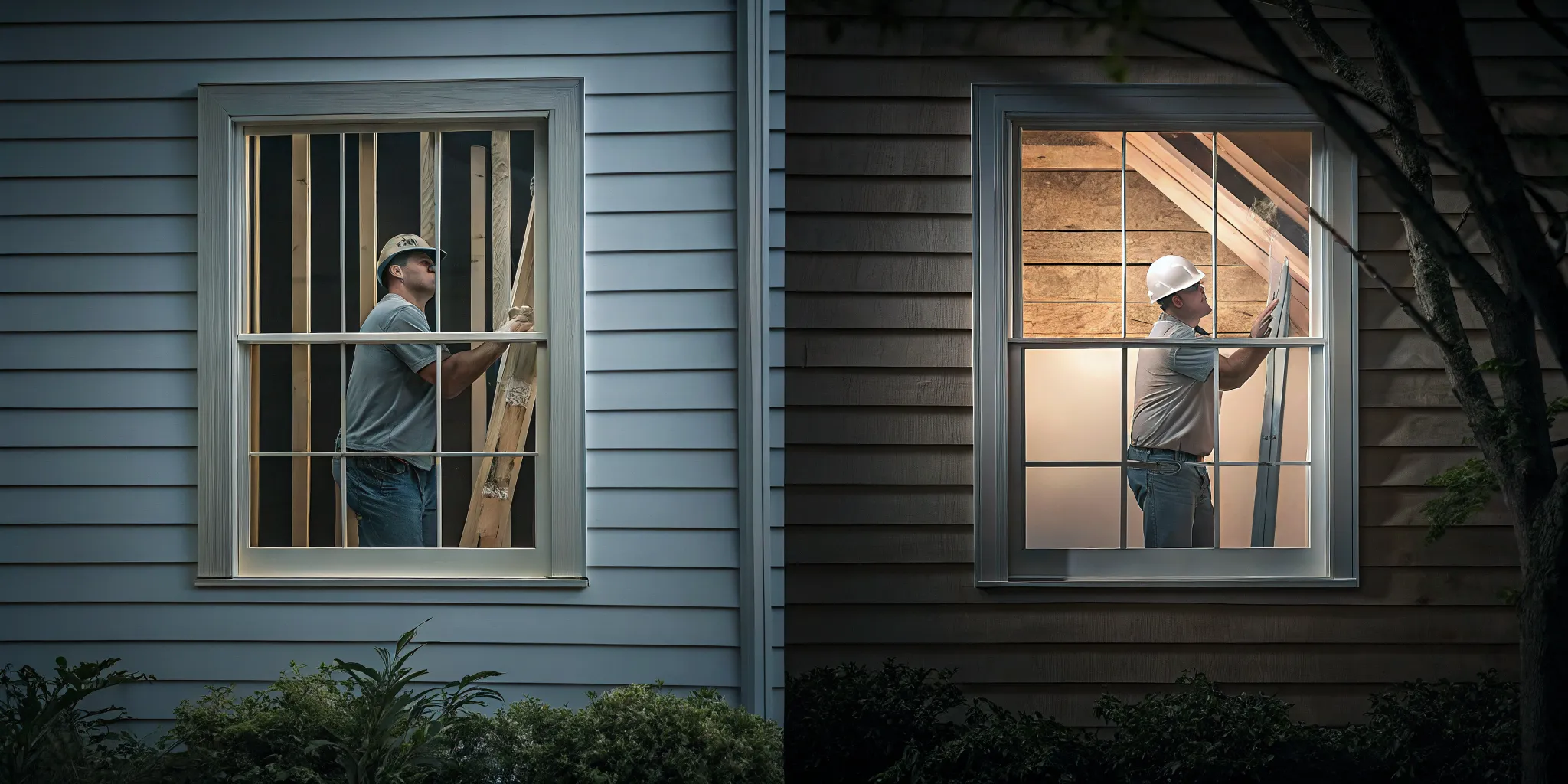
New construction windows make sense when framing is exposed, the opening size or location is changing, or damaged wall components need repair. Because these units attach directly to the rough framing, they can be integrated with flashing and the weather barrier before siding and trim are installed.
Cosello Construction assesses the entire opening, not just the glass, before recommending an installation method. Unlike replacement units, new construction windows attach to the rough framing before exterior finishes cover the connection. That access lets the window work become part of the larger wall project.
Projects that expose the framing
A new addition or custom-built space usually calls for new construction windows. The same is true when a plan adds a window where no opening exists. Cosello Construction can coordinate these choices as part of a broader custom home project.
This approach may also fit when a homeowner wants to make an opening wider, taller, or smaller. Changing its size often requires framing work, new interior trim, and repairs to exterior finishes. Major wall reconstruction can create the same need.
New construction units can also be practical when siding or other exterior cladding is already being removed. With the wall layers open, the crew can reach the full opening. This avoids treating the window as a separate surface-level update.
Coordination across the wall assembly
The window is only one part of the job. The opening, weather-resistive barrier, flashing, insulation, siding, and trim must meet in a planned sequence. The U.S. Department of Energy says window choices should account for installation and the home's climate.
Early planning helps each trade understand when its work begins and what must remain open. A framing crew prepares the rough opening first. Window, weatherproofing, insulation, and finish crews then coordinate their work around it.
- Confirm the planned window size and location before rough framing begins.
- Plan for interior and exterior trim changes around the new opening.
- Coordinate window work with siding, cladding, and wall repairs already in the project.
- Review access and timing with the crews responsible for nearby finishes.
When replacement windows may be the simpler fit
If the existing frame is sound and the opening will stay the same size, replacement windows may involve less disruption. They are often considered when siding, trim, and wall finishes should remain in place.
For homeowners comparing new construction windows vs replacement windows in NJ, the key question is the project's scope. If framing or exterior wall layers are already changing, new construction units may fit the work. If those parts will stay intact, replacement units may be the more direct option.
When are replacement windows the better fit?
Replacement windows are usually the better fit when the existing opening will stay the same size and its frame remains solid, square, and dry. They can reduce demolition because surrounding siding, trim, and finished walls often remain in place, but an installer should first rule out hidden damage.
Cosello Construction checks each existing opening before recommending replacement windows. The surrounding walls, siding, and interior trim can often stay finished. Before choosing this route, the installer must confirm that each existing frame is sound, square, and free from hidden water damage.
Conditions that favor replacement windows
A replacement project works best when the opening size and location will not change. It also suits rooms where the finished wall and exterior cladding should remain in place. Homeowners comparing new construction windows vs replacement windows in NJ should start with the condition of the full opening. The glass alone does not tell the full story.
Look for signs that call for a closer check before work begins. These include soft wood, stains, gaps, or a window that no longer sits square. The U.S. Department of Energy recommends reviewing existing window conditions before deciding whether to update or replace windows.
- The current opening will stay the same size.
- The existing frame is solid and square.
- The wall, trim, siding, or masonry should remain finished.
- There is no sign of damage that requires opening the wall.
Insert replacement windows
An insert unit fits inside the existing window frame. This approach leaves more of the surrounding finish alone, but it depends on a sound frame. It can also reduce the visible glass area because the new unit sits within the old opening.
Insert replacement should not be used to cover rot, leaks, or a frame that is out of square. Those issues need to be found and fixed first. A careful site check helps set the right scope and avoids promises about cost or timing before the opening is inspected.
Full-frame replacement windows
Full-frame replacement removes the old window down to the rough opening. It gives the installer access to the opening, flashing, and nearby materials. This route may be a better fit when the old frame is damaged, the opening needs repair, or trim will be replaced.
Full-frame work can affect interior and exterior finishes, so it needs a clear plan for trim, siding, and water control. Cosello Construction's window replacement services page outlines options for planning a replacement project. The final method should follow the condition found at each opening.
How window installation coordinates with framing and exterior work
The opening sets the installation plan
Window choice affects much more than the glass and frame. New construction windows have a fastening flange that connects to the rough opening and wall drainage layers. Replacement windows often fit within a sound existing frame. That difference shapes the work needed around each opening.
When comparing new construction windows vs replacement windows in NJ, start with the condition of the wall and existing frame. A full-frame project may require changes to framing, siding, trim, and interior finishes. An insert project preserves more of those materials, but it depends on a square, dry, and stable opening.
Removing the old unit can expose rot, damp insulation, insect damage, or framing that does not match the plan. The crew must repair those issues before setting the new window. This can change the schedule, material list, and finish details. A careful window replacement plan leaves room for those findings.
Flashing and wall layers
The window, weather-resistive barrier, sill flashing, and siding must work as one drainage system. Their order matters. Water should move down and out, rather than collect behind the trim or enter the wall. The Pacific Northwest National Laboratory window flashing guide explains how flashing integrates with the wall drainage plane.
South Jersey homes face rain, wind, heat, cold, and seasonal changes. Crews need a dry opening and a clear plan for temporary weather protection. Exterior trim and siding details also vary by home. The installer should confirm how each layer will overlap before removing the first window.
Insulation fills the gap between the window and rough opening, but it should not force the frame out of shape. Interior air sealing helps limit drafts. After that work, jamb extensions, casing, paint, and other finishes complete the opening. Each trade needs the final window size and installation depth.
Selections, lead times, and field changes
Window size, frame material, color, grille pattern, glass package, and hardware should be settled before related work begins. These choices affect rough openings and finish dimensions. They may also affect siding returns, exterior trim, and interior casing. Custom units can add lead time, so ordering should match the wider project schedule.
Framing, exterior work, and window delivery should follow one shared plan. The crew can then protect open walls and avoid redoing finished surfaces. If hidden damage appears, the team should document it and explain the repair options. Homeowners can also review related residential door work when several exterior openings are part of the same project.
Good coordination does not mean the plan will never change. It means the right people can respond when field conditions differ from drawings or measurements. Clear decisions before ordering reduce delays, while a repair allowance helps the project adapt to unseen wall damage.
Questions to ask your window installer before work begins
A clear scope helps homeowners compare new construction windows vs replacement windows in NJ without relying on price alone. Ask each installer the same questions, then request written answers. The right approach depends on the existing frame, wall opening, and signs of water damage.
Questions that define the scope
Start by asking the installer to explain what stays, what comes out, and why. This discussion should cover the frame, opening size, siding, and interior trim. Homeowners who are still weighing options can review Cosello Construction's window replacement services before the site visit.
- Ask whether the existing frame is sound enough for an insert window. Also ask how the installer will check for rot, water damage, or movement.
- Confirm whether the rough opening dimensions will change. If they will, ask how that change affects siding, drywall, trim, and the final glass area.
- Request a written list of everything the crew will remove. It should state who handles old windows, exterior trim, interior trim, screens, and debris.
- Ask how the crew will manage flashing, drainage, and water around each opening. Request details for any exposed wall areas or damaged materials.
- Confirm who checks local permit needs and who obtains required permits. Ask the installer to verify the answer with the local construction office before work starts.
- Ask for the expected product lead time and a realistic work schedule. Confirm what could shift those dates and when the installer will provide updates.
- Review product and labor warranty terms, cleanup duties, and the change-order process. Ask how hidden damage will be priced and approved before added work begins.
Water management and product details
Do not settle for a broad promise that the opening will be sealed. Ask which layers direct water away from the wall and how the crew will handle any damage it finds. The installer should also explain how the chosen product fits the existing wall system.
Product labels can help with comparison, but they do not replace a sound installation plan. The ENERGY STAR window guidance explains that window performance depends on climate and product ratings. Ask the installer to show how the proposed window matches the home and project goals.
Written responsibilities before scheduling
Before approving the job, make sure the proposal names the party responsible for permits, siding repairs, trim work, disposal, and final cleanup. It should also state how the team will protect floors, furniture, landscaping, and occupied rooms.
Keep every added cost in a signed change order. The document should describe the hidden condition, added work, price, and schedule effect before work continues. Use the contact page to arrange a site review and discuss these questions with the project team.
Planning an NJ addition or renovation without costly surprises
An addition or major renovation changes more than the window order. Wall framing, exterior finishes, room use, and permit needs can affect the plan. Start by defining each opening and deciding where new construction windows or replacement windows fit the work.
Local review before ordering
Permit and review needs vary by municipality and project scope. A new opening or structural wall change may require more review than replacing a window in place. Homeowners should confirm the process with their local construction office before work begins.
New Jersey's Division of Codes and Standards gives residents a starting point for state code resources. The local office can explain forms, inspections, and the right sequence for a specific address. A qualified contractor or design professional can then help shape the project plan.
Measurements and product details
Do not order from a rough estimate. Final measurements should reflect the approved opening, wall depth, sill details, and planned exterior finish. Product specifications should also state the window type, size, glass package, color, hardware, and installation method.
This step matters when comparing new construction windows vs replacement windows in NJ. New construction units often depend on access to framing and a planned weather barrier. Replacement units usually fit within an existing frame, so its condition and usable opening size must be checked. Cosello's window replacement service provides more context on planning an in-place upgrade.
A written scope with clear roles
A written scope helps the team price the same job and prevents gaps later. It should name who handles permits, design documents, demolition, framing, window supply, installation, trim, painting, disposal, and inspections. It should also state what happens if hidden rot or damaged framing appears.
- Confirm the final opening sizes before products are released.
- Match each window specification to its room and drawing location.
- Record who protects the home and repairs nearby finishes.
- Set approval steps for added work, cost changes, and schedule changes.
Review the scope with the project team before signing or ordering. That check aligns products, responsibilities, and permit steps while changes are still easier to make.
Frequently Asked Questions
How much do new construction windows cost compared with replacement windows in New Jersey?
New construction window projects often cost more when they require framing, siding, trim, or interior finish work. Insert replacement windows may cost less because the sound existing frame and nearby finishes remain in place. Full-frame replacement can approach new construction scope when damage or poor flashing requires broader removal. A site inspection and detailed quote are needed because window size, materials, access, and hidden damage affect the final cost.
Can I use replacement windows in a New Jersey home addition?
Replacement windows generally are not the direct choice for newly framed openings because they are designed to fit within existing window frames. New construction windows usually suit additions because their fastening fins attach to exposed framing. However, the final product and installation method should match the wall design, exterior finish, and approved plans. The contractor and window installer should confirm these details before framing and ordering begin.
Does choosing a replacement window improve energy efficiency?
A replacement window can improve comfort and energy performance when the product fits the climate and the opening is sealed correctly. The installation method matters as much as the window label. According to the U.S. Department of Energy, proper installation is essential for energy-efficient windows. Existing frame damage, air leaks, or poor flashing should be corrected rather than covered by an insert unit.
When should windows be ordered for an addition or major renovation?
Window selections should be confirmed before related framing and exterior finish work begins. Final dimensions, frame material, color, glass package, and trim details can affect rough openings and the project schedule. Custom sizes may require added lead time. The contractor should coordinate field measurements, ordering, delivery, and weather protection so crews do not open walls before the correct windows are ready for installation.
Ready to Plan Windows for Your New Jersey Addition?
Waiting to choose windows for your home can delay key design decisions, complicate ordering, and leave less time to compare practical options before construction begins. Starting now gives your project team more time to coordinate window sizes, room layouts, installation details, and the full renovation schedule with fewer last-minute changes. Early planning also helps you make confident choices before walls, finishes, structural work, and other project details narrow the options available during the building process.
Ready to move your addition or major renovation forward with a clear window plan? Call (856) 317-1770 to schedule a window project consultation and discuss your goals, timing, questions, and next practical steps for your New Jersey home.