
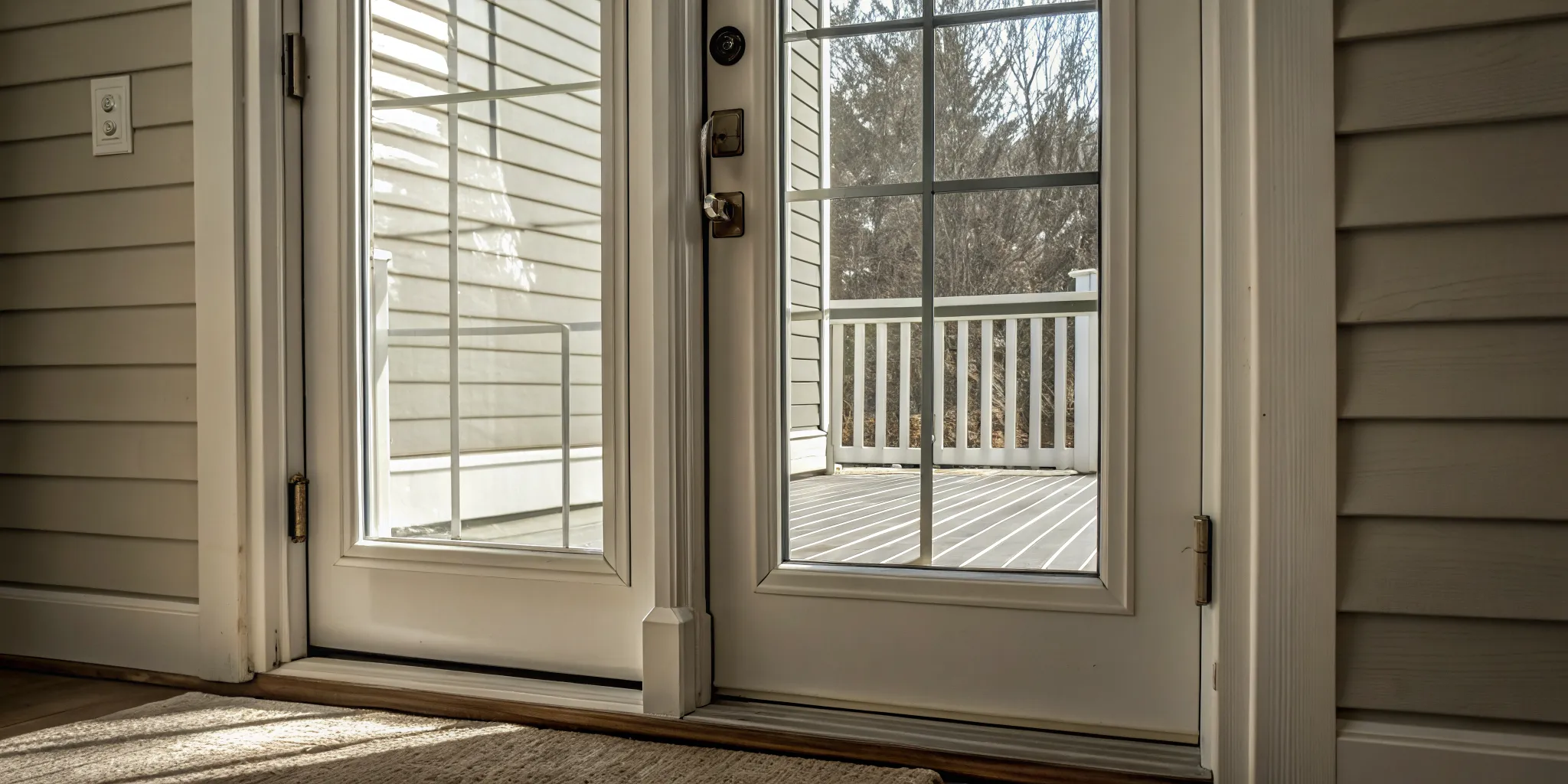
A sliding patio door with a loose latch or liftable panel leaves a clear weak point. New Jersey homeowners can often strengthen that opening before deciding whether full replacement is the smarter fix.
Schedule a professional patio door assessment with Cosello Construction.
Patio door security upgrades NJ homeowners should prioritize include a stronger lock, a track bar or dowel, anti-lift protection, and sound glazing. Start by checking whether the latch holds firmly, the moving panel lifts in its frame, or the glass shows damage. A secondary lock and snug track bar can limit movement, while anti-lift hardware helps stop someone from raising the panel. According to Tufts University Police, an inside-track broomstick or dowel can prevent a sliding glass door from opening outside when the primary latch fails. Replacement makes more sense when the frame is loose, the glass is weak, or worn hardware cannot hold modern security upgrades reliably and securely.
The right fix depends on whether your door needs a simple hardware improvement or a complete, professionally installed replacement. Patio door security upgrades NJ homeowners should assess first separates the urgent weak points from upgrades that can wait. Here's how to begin.
Patio door security upgrades NJ homeowners should assess first
Before buying hardware, check how the whole patio door works today. Patio door security upgrades NJ homeowners choose should address the weakest point, not just add another lock. No lock, glass product, or lighting change can guarantee that a burglary will not occur.
Lock operation and frame condition
Close and lock the door, then pull and push the panel without forcing it. The lock should engage fully, and the handle should not feel loose. Note any movement between the moving panel and the frame.
Next, inspect the frame, latch area, fixed panel, and nearby wall for gaps, cracks, loose fasteners, or rot. A strong lock cannot make up for a weak mounting point. Federal testing guidance treats locking device strength, fixed-panel fastening, and resistance to disassembly as separate security checks.
Check whether the moving panel can rise within the frame when closed. The National Institute of Justice includes door panel removal resistance in its test methods for sliding glass doors. If the panel lifts or shifts, ask a window and door specialist to assess the cause before adding hardware.
Track, glazing, and visibility
Clean the track, then slide the door through its full range. Look for worn rollers, bent track sections, debris, and signs that the panel leaves its normal path. A track bar or dowel may limit opening, but it should fit snugly and should not hide a panel alignment problem.
Inspect the glass and glazing seals in daylight. Look for cracks, loose trim, failed seals, or signs that the glass has shifted. Tufts University Police advises checking whether glass near an exterior-door lock is fully tempered or rated burglary resistant. Do not guess at the glass type from its appearance; check its label or ask a specialist.
Then stand outside after dark and review sightlines around the door. Overgrown shrubs, stored items, and dark corners can block a neighbor's view. Motion-sensor lighting may improve visibility, but aim it to cover the approach without creating glare through the glass.
A practical upgrade priority list
Record each issue before deciding what to fix first. A short list helps separate a basic hardware change from a door that needs repair or replacement. Focus on defects that stop the door from closing, latching, or staying seated in its frame.
- Address a lock that misses its keeper, slips, or does not engage fully.
- Repair loose frames, damaged tracks, shifting panels, or weak fixed-panel fasteners.
- Confirm the glazing type before choosing film, glass, or other reinforcement.
- Improve exterior visibility while keeping the door usable for household members.
If several parts are worn, compare repair costs with modern sliding patio door options options. A specialist can also check whether an upgrade fits the current frame and daily use. The goal is a sound, layered setup, not a promise that one product prevents every break-in.
A practical patio door security inspection checklist
A careful inspection shows whether a patio door needs a small fix, stronger hardware, or full replacement. Check the door in daylight, then repeat key tests after dark. Keep children away while you test locks, glass, and moving panels.
Start with the latch and track
Close the door fully and lock it. Pull the handle without forcing it, and watch whether the latch stays engaged. A loose handle, shallow latch, or lock that needs repeated tries needs prompt attention.
Sliding glass doors can offer easy access when they are not secured well. Tufts University Police suggests a commercial lock or a dowel in the inside track as added protection in its home security guidance.
- Unlock the door, slide it through its full travel, and note any sticking, scraping, or sudden jumps.
- Remove leaves, grit, and other loose debris from the track. Look for dents, splits, rust, or bent sections.
- Close and lock the panel. Gently pull and lift it to check for latch play or excess upward movement.
- Press lightly at several points around the frame. Stop if the frame shifts, separates from the wall, or makes cracking sounds.
- Inspect each glass panel from inside and outside. Note cracks, chips, loose seals, or areas that rattle when touched.
- Stand outside after dark and review sightlines. Trim hiding spots and check whether working lights cover the door area.
Check the frame, glass, and view
Frame movement can keep a sound lock from lining up as designed. It may also point to loose fasteners, wear, or damage around the opening. Do not tighten unknown fasteners or drill into the frame before a specialist checks the door.
Glass needs the same close review as the lock. The National Institute of Justice testing guide covers glazing impact strength, panel removal resistance, and fixed-panel fastening. These factors help explain why a complete door check matters, not just a latch check. Review the sliding door security testing guide for more detail.
Safe next steps
Clean debris and replace a worn track dowel only when you can do so safely. Stop using the door if glass is cracked, the frame moves, or the panel can lift. Do not force a jammed lock because more damage may follow.
Record each concern with a photo and a short note. This gives a door specialist clear details before an on-site check. If several parts fail, compare repairs with patio door replacement options options that address the whole unit.
For homeowners researching patio door security upgrades NJ, the inspection should guide the next step. A working latch may need added protection, while a weak frame or damaged glass calls for skilled review.
How locks, frames, and tracks work together
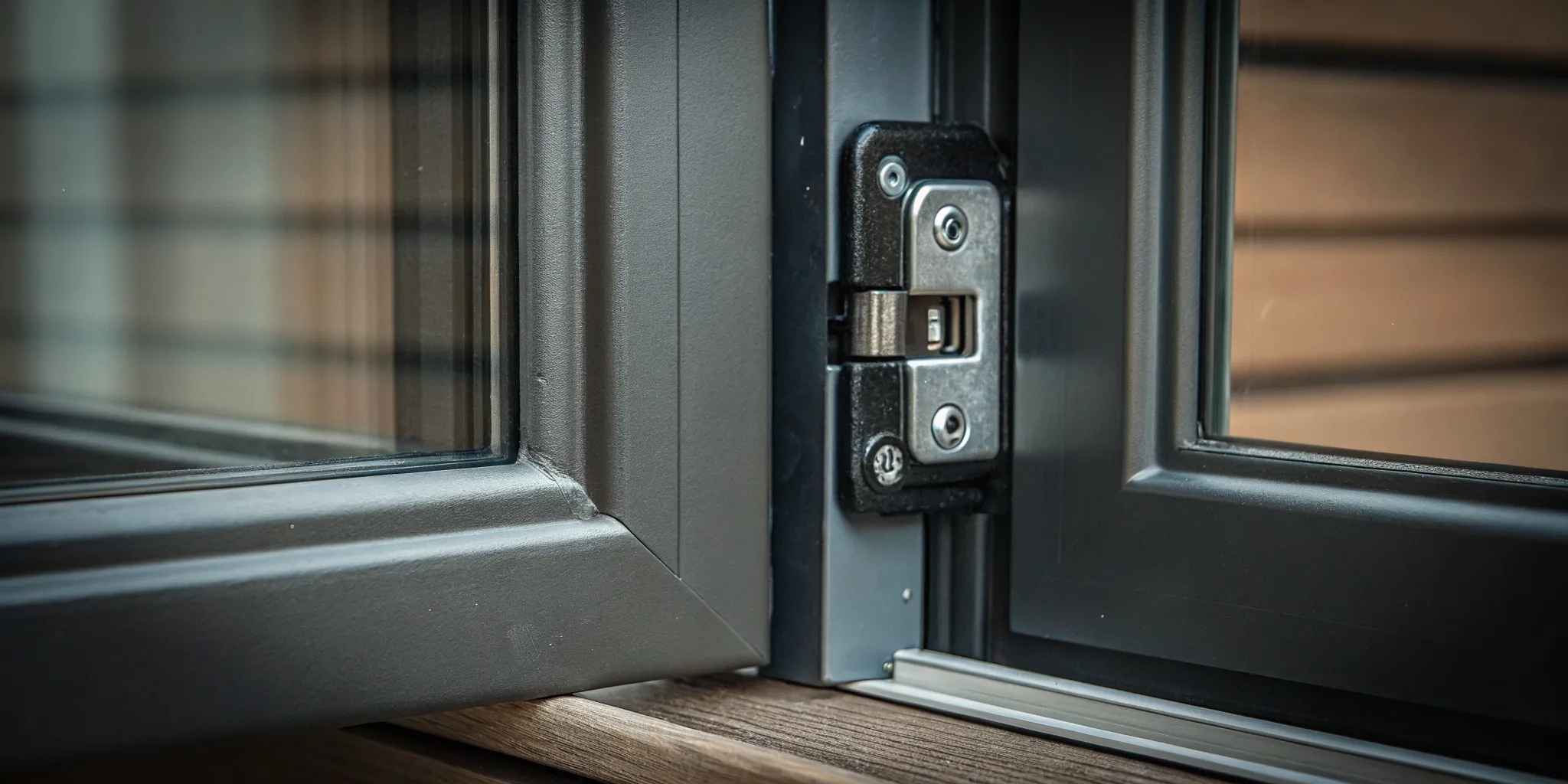
A patio door is a system, not a lock mounted on a sheet of glass. The latch, lock, frame, fixed panel, rollers, and tracks must work together. A stronger lock cannot correct a loose frame, poor alignment, or a panel that can lift from its track.
Lock and latch alignment
The latch must enter its keeper fully and hold without extra force on the handle. If the door has dropped or shifted, the latch may catch only at its edge. That shallow contact can make a working lock seem secure when the door is not properly aligned.
Lock strength and stability are separate parts of sliding door security. Federal testing guidance also checks panel removal resistance, fixed panel fastening, and resistance to disassembly. These checks show why a complete review matters more than one hardware change. The National Institute of Justice testing guide covers each part as a distinct security concern.
Frame and fixed panel condition
The frame gives the lock and keeper a firm base. Loose fasteners, bent sections, damaged corners, or gaps can let parts move under pressure. The fixed panel also needs secure fastening because it forms part of the opening's overall barrier.
Check the gap around the moving panel while the door is closed and locked. It should look even, and the panel should not rock when gently tested. Binding, scraping, or a latch that needs lifting often points to alignment or frame trouble. Homeowners comparing repair with replacement can review Cosello's professionally installed patio doors options.
Tracks, rollers, and lift resistance
The lower track guides the panel, while the rollers keep its weight moving in a straight line. Dirt and worn rollers can make the door hard to close fully. A damaged track can also leave the latch out of line with its keeper.
- Close and lock the door, then check whether the panel still slides or rocks.
- Look for bent track edges, loose frame parts, worn rollers, and uneven gaps.
- Test whether the moving panel has excess upward play, but do not force it.
- Confirm the fixed panel and its fasteners do not shift during a gentle check.
A track bar can limit sideways movement, but it does not solve every weakness. Tufts University Police guidance notes that a dowel can jam a sliding door's inside track. It also describes a separate method intended to resist lifting. For patio door security upgrades in NJ, the right fix should match the weakness found during the full system check.
What should you consider about glass and visibility?
Glass, sightlines, and outdoor lighting should be reviewed together when planning patio door security upgrades in NJ. Each part affects how well you can see outside and how easily someone can see into your home.
Glazing condition and protection
Start by checking the glass for chips, cracks, loose seals, and movement within the frame. Also inspect the stops and trim that hold the glass in place. Damage or loose parts can signal that the full door needs a closer review.
Glass type matters, but appearance alone does not confirm its strength. Tufts University advises checking whether glass near an exterior door lock is fully tempered or rated burglary resistant. Its home security guidance offers a useful reference for that review.
Ask a window and door specialist to confirm the glazing type before choosing an upgrade. Do not rely on a film, label, or sales claim without product details. If the frame or glass is in poor shape, review modern sliding patio door service options instead of adding hardware to a weak unit.
Privacy versus a clear view
A clear patio door helps you see the yard, deck, and anyone near the entrance. It may also expose the room layout, valuables, or daily routines from outside. Stand at the door during the day and after dark to compare both views.
Blinds, curtains, and privacy film can reduce unwanted views into the home. They can also limit your view outside, so choose a setup that is easy to open when needed. Keep locks and door tracks visible enough for routine checks.
Privacy choices should fit how the room is used. A door beside a living room may need flexible window coverings. A door near a quiet side yard may call for more privacy, especially at night.
Lighting and landscaping sightlines
Check whether shrubs, fences, furniture, or stored items block the view around the patio door. Trim plants and move objects that create deep hiding spots near the entrance. Keep the path and locking area easy to see from inside.
Outdoor lighting can improve visibility without flooding the whole yard. Aim fixtures toward the approach and door area while limiting glare on the glass. Glare can make it harder to see outside from a bright room.
Motion-sensor lights are another option for the door area. Tufts University notes that these devices turn on when someone enters their motion range. Lighting cannot guarantee security, but it can support a wider plan that includes sound locks, secure tracks, and clear sightlines.
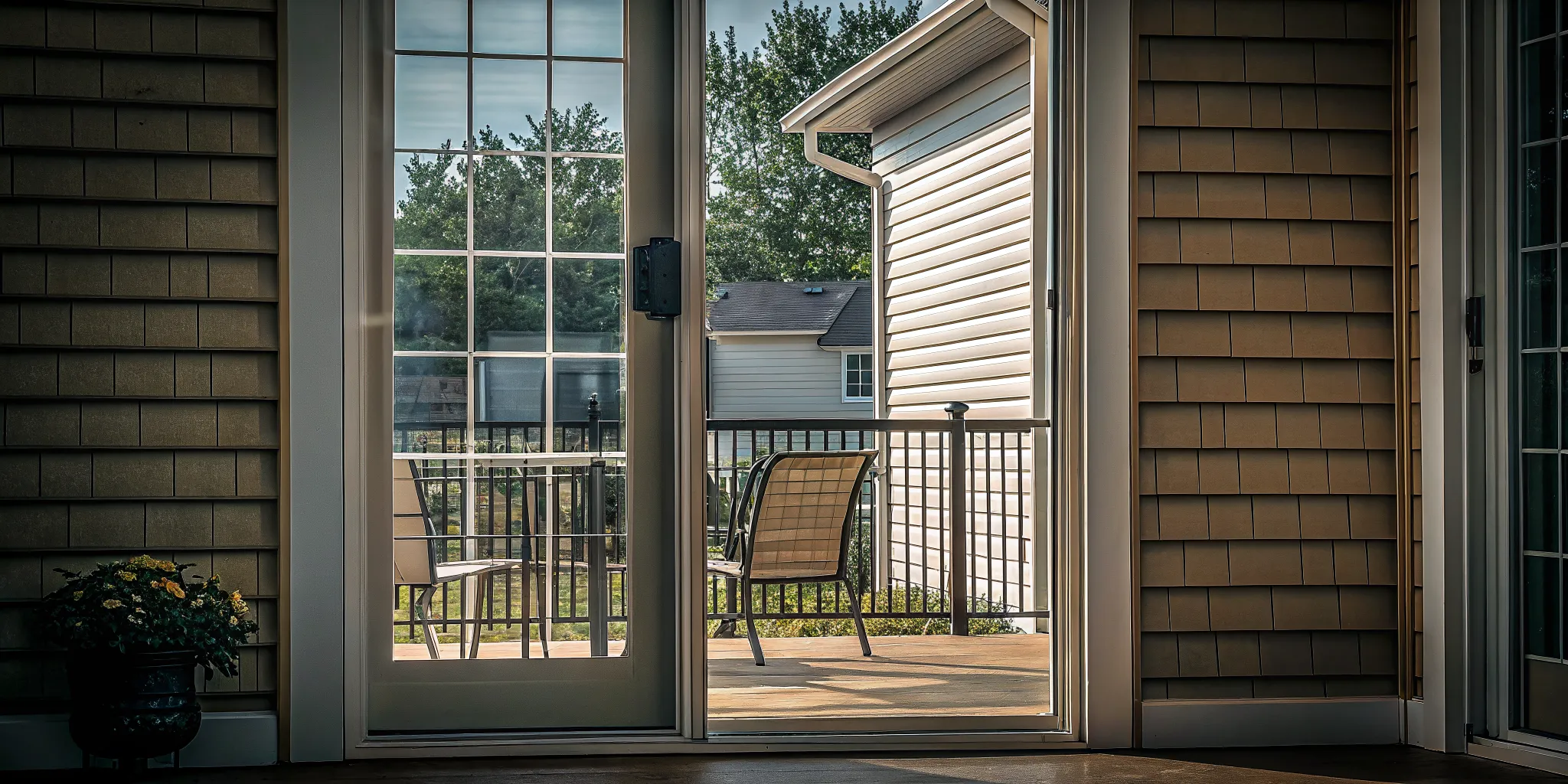
Explore Cosello's sliding patio door replacement options.
When is repair enough, and when should you replace the door?
A patio door problem does not always call for a new unit. A focused repair may restore safe, smooth operation when the frame and track remain sound. Replacement makes more sense when damage affects the full opening or the same trouble keeps returning.
Signals that point to repair
Start with repair when the issue is limited to worn rollers, loose hardware, a weak latch, or old weather stripping. The door should still sit square in its frame and move without binding. Tufts University also advises adding weather stripping when a door does not fit tightly.
A repair is also practical when one known part causes the security concern. A specialist can inspect the lock, roller height, panel fit, and track before suggesting work. Cosello's emergency door repair and security service covers both residential and commercial door problems.
Repair compared with replacement
The choice should account for more than the lock alone. Recurring alignment trouble may point to a worn track, a damaged frame, or movement around the opening. Difficult operation after prior repairs is another reason to assess the entire unit.
| Condition or goal | Repair may be enough | Replacement may be better |
|---|---|---|
| Alignment | One adjustment restores a square fit | Door falls out of alignment again |
| Frame or track | Sound, clean, and firmly set | Bent, cracked, loose, or badly worn |
| Operation | New rollers or hardware restore smooth travel | Door remains hard to open or close |
| Project goal | Fix one clear fault | Improve security, comfort, and appearance together |
Also consider how often the door needs attention. One repair can be sensible, but repeated service calls may show that parts no longer work well together. Keep notes on sticking, gaps, lock trouble, and past repairs. That record helps a specialist find a pattern instead of treating one symptom.
When a full replacement fits the goal
Replacement deserves a closer look when the frame or track is damaged, the panel shifts, or the lock cannot stay aligned. These faults can work together. Replacing only one part may not solve the cause.
A full unit can also fit broader performance goals. New modern patio door choices options may pair improved locking with easier operation and a tighter fit. This route can be more direct than making several separate upgrades to an aging door.
Ask a window and door specialist to inspect the full opening before deciding. The review should cover the moving panel, fixed panel, lock, track, frame, glass, and surrounding structure. Security standards assess locking device stability and resistance to panel removal, so the whole system matters.
What should you ask a patio door installer?
A useful installer consultation starts with the door you have, not a product pitch. Ask the installer to inspect the full opening before recommending patio door security upgrades in NJ. The review should cover the frame, sill, track, fixed panel, moving panel, and nearby trim.
Opening, frame, and track condition
Ask whether the opening is square, level, and sound enough to support a secure repair or replacement. Have the installer point out rot, loose fasteners, track damage, gaps, and signs that the panel can lift. National Institute of Justice door standards include tests for panel removal resistance and fixed-panel fastening strength. Ask how the proposed work addresses both risks.
Find out whether the current track can accept added locks or anti-lift parts without harming normal operation. Also ask if worn rollers, a bent track, or a damaged frame must be fixed first. The installer should explain which parts can stay and which parts limit the upgrade.
Hardware, glass, and daily operation
Bring up the lock, handle set, key access, and any security bar you want to use. Ask whether each part fits the door brand, panel thickness, and frame design. If replacement makes more sense, compare those needs with available replacement patio door systems features.
- Which lock options fit this exact door and frame?
- Will the upgrade prevent lifting as well as forced sliding?
- What glass options improve impact resistance or limit access near the lock?
- Can every household member open, close, and lock the door with ease?
- How will the installer test alignment, latch contact, and smooth travel?
Ask to see how the finished door should move and lock before approving the plan. A tight seal matters too. Tufts University Police advises adding weather stripping when doors do not fit tightly in their frames. Ask the installer to explain any draft, gap, or binding point during the final walk-through.
Warranty and installation scope
Request a written scope that separates labor, materials, disposal, trim work, and any needed frame repair. Ask who will protect nearby floors and walls, remove old parts, and clean the work area. The scope should also name the hardware and glass that will be installed.
Finally, ask what the product warranty and labor warranty each cover. Confirm who handles a lock, roller, glass, or alignment issue after installation. Ask whether follow-up adjustments are included and what could void coverage. These details make quotes easier to compare and reduce surprises after work begins.
Maintaining your patio door after an upgrade
Seasonal checks for New Jersey weather
New Jersey rain, wind, grit, and winter freezes can affect a patio door after a security upgrade. Check the door at the start of each season. Look for loose hardware, damaged seals, trapped debris, and new gaps around the frame.
After a storm or hard freeze, lock the door and inspect it from both sides. The panel should sit square in the frame without shifting or lifting. A federal door-security standard includes panel-removal and fixed-panel fastening tests, which shows why these parts deserve regular checks.
Cleaning and smooth operation
Vacuum loose dirt from the lower track, then wipe the track with a soft, damp cloth. Clean around the lock, handle, and security bar without forcing any moving part. Use only a lubricant approved by the door or hardware maker.
Open, close, and lock the door several times during each check. Movement should stay smooth, and the latch should engage without lifting or pushing the panel. Review available advanced sliding patio door security features if worn hardware no longer supports the upgrade.
Inspect the glass, frame, weather stripping, lock, track, and anti-lift hardware as one system. A tight seal supports both secure operation and comfort. Replace worn weather stripping when the door no longer fits tightly in its frame.
Signs that need professional service
Request service when the lock binds, the panel rocks, or the door lifts within the track. Other warning signs include cracked glass, bent hardware, frame movement, water entry, or a gap that returns after cleaning. Stop using a lock or bar that no longer seats fully.
Do not grind, drill, or bend upgraded security parts without the maker's instructions. A poor adjustment can damage the frame or keep the lock from engaging. Arrange emergency door repair and security service after forced entry, impact damage, or sudden lock failure.
Frequently Asked Questions
What are the most effective patio door security upgrades for NJ homeowners?
Effective patio door security upgrades combine a stronger lock, an anti-lift device, a track bar, and impact-resistant glazing. Motion-sensor lighting can add another layer outside. The Tufts University Police Department recommends a commercial lock or an interior dowel to stop a sliding glass door from opening. Each upgrade should fit the door correctly and allow a safe emergency exit.
How can I improve sliding patio door security without replacing the door?
Start by repairing loose hardware and confirming the existing latch closes fully. Add a properly sized track bar or dowel, plus an anti-lift device at the upper track. A qualified door specialist can also assess whether the lock can accept an upgraded replacement. Avoid modifications that damage the frame, interfere with smooth operation, or block a required emergency exit.
What is a three-point lock mechanism for patio doors?
A three-point lock secures a patio door at three locations, usually near the top, center, and bottom of the panel. Turning one handle engages all three locking points. This setup spreads resistance across more of the frame than a single latch. Its performance still depends on compatible hardware, a sound frame, correct alignment, and proper installation.
When should I consider replacing my patio door for better security?
Consider replacement when the frame is damaged, the panel can be lifted or shifted, the lock will not align, or repairs no longer hold. Replacement may also make sense when the glass lacks suitable impact resistance. Federal testing guidance evaluates sliding doors for locking strength, glazing impact strength, and panel-removal resistance, as shown by the National Institute of Justice.
Why are older sliding patio doors often less secure?
Older sliding patio doors may rely on a worn single latch, loose rollers, weak fixed-panel fasteners, or glass that offers limited impact resistance. Years of movement can also create gaps that prevent the lock from aligning correctly. Age alone does not prove a door is unsafe, so inspect the lock, frame, glazing, tracks, and panel fit before choosing repairs or replacement.
Ready to make your patio door more secure?
Contact Cosello Construction to discuss your patio door.
A patio door that feels loose, locks poorly, or shows wear can leave your home exposed and make daily use frustrating. Waiting can allow minor hardware issues to worsen, while uncertainty about replacement options can delay a practical security plan. Starting now gives you time to compare upgrades, understand whether repair or replacement fits, and plan the work around your schedule.
Ready to make your patio door more secure? Call (856) 317-1770 to schedule a patio door assessment. A clear assessment can help you identify priorities, weigh the available options, and choose a sensible next step for your New Jersey home. You can then plan the project with fewer unknowns and address the areas that matter most before problems disrupt your routine.