

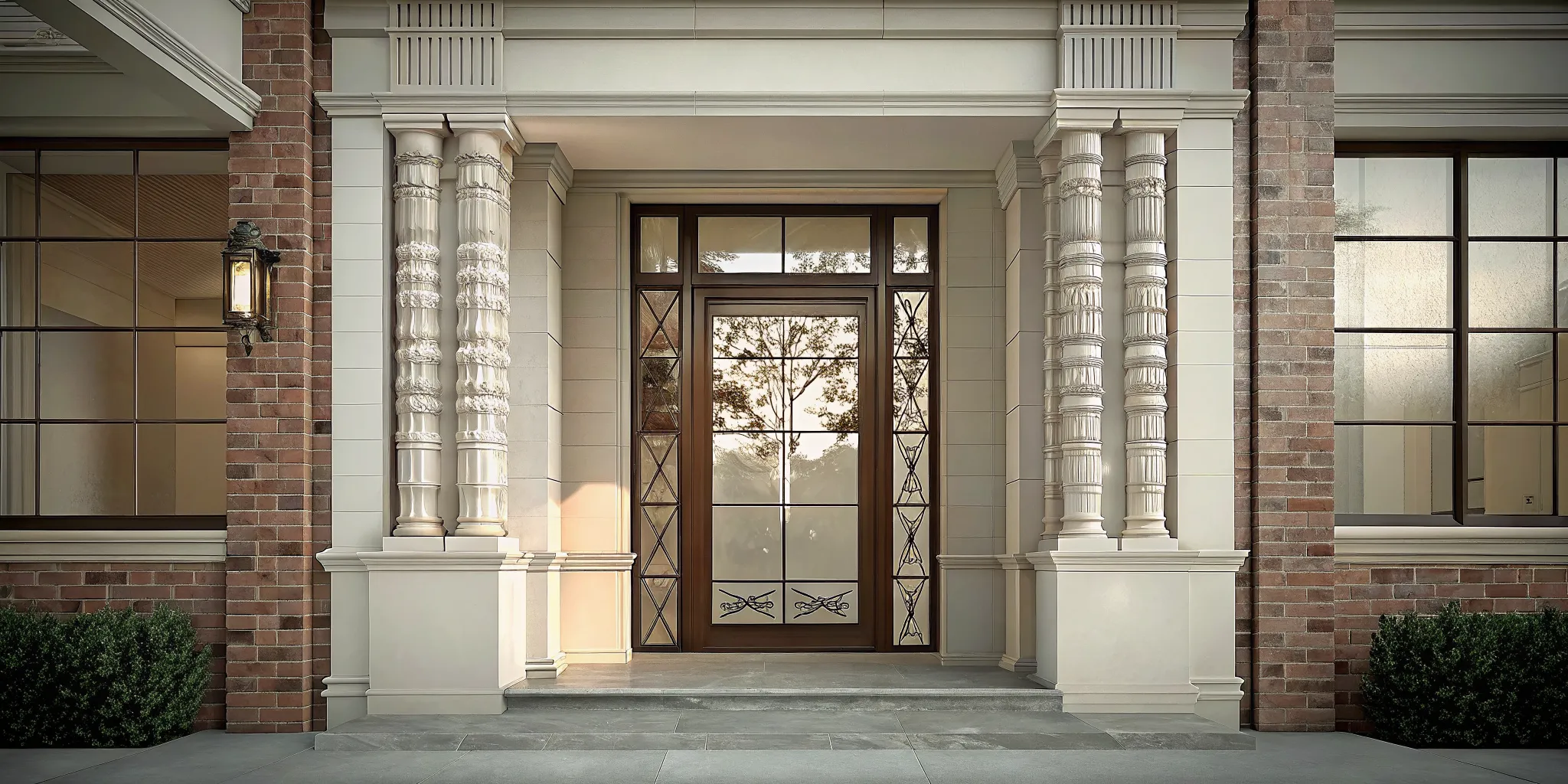
Philadelphia weather makes a poorly fitted storm door obvious after the first hard wind. The right door protects your entry, improves comfort, and adds useful ventilation without fighting the frame.
Storm door installation Philadelphia homeowners can rely on starts with exact measurements, sound framing, and a model suited to the home's weather exposure. Aluminum offers low-maintenance durability, steel adds strength, and full-view, ventilating, or retractable-screen designs balance daylight, airflow, security, and seasonal protection. Your total cost depends on material, glass and screen features, frame condition, hardware, finish, and labor needed for a square, weather-tight fit. Professional installation can spot mounting problems, set the closer and sweep correctly, and help prevent drafts, sticking, leaks, slamming, or early wear. Plan the project before peak winter weather or spring storm season so you have time to compare styles, materials, quotes, and local schedules.
Which door, budget, and installation window make sense for your property? Storm door installation Philadelphia homeowners can plan with confidence answers that question by starting with the choices that affect fit, performance, and long-term value. Before comparing styles or scheduling the work, start with a practical plan. Here's how.
Storm Door Installation Philadelphia: Which storm door type is best for your home?
The best storm door type depends on how you use the entry, not just how the door looks. Start with your need for light, airflow, security, and easy seasonal changes. The amount of direct sun and rain at the opening also matters.
The U.S. Department of Energy notes that exterior door choices should account for climate and a home's design. Its guidance on energy-efficient doors also warns that glass storm doors can trap heat against an entry door in direct sun. A shaded Philadelphia rowhome and an exposed suburban entrance may need different storm doors.
Storm door types at a glance
This table compares the three main types before you choose a model. The frame material, glass, screen, hinges, handle, and closer still affect long-term use. A sound frame and proper fit matter for every option.
- Full-view: Best for decorative main doors and the most natural light. A screen panel swap is required for airflow, and seasonal panel storage is the main tradeoff.
- Ventilating or self-storing: Best for busy family entries, with good light and fast built-in screen access. The tradeoff is less uninterrupted glass.
- Security: Best for street-facing or exposed entries. A reinforced frame and lock add security, while the heavier look and potentially limited airflow are the main tradeoffs.
Full-view and ventilating doors
A full-view storm door uses one large glass panel, so it suits an entry door worth showing. It also lets more daylight reach the hall. Many models accept a full screen, but changing and storing that panel takes planning.
Choose full-view for a formal front entrance, a shaded porch, or a household that rarely changes between glass and screen. Check the sun exposure first. Heat can build between the storm door and the main door when strong sunlight reaches the glass.
A ventilating or self-storing door makes seasonal changes easier. Its screen rolls away or sits behind a sliding glass panel. This type works well for kitchens, side doors, and family entries where fresh air and daily use come first.
Security doors and fit checks
A security storm door adds a tougher frame, stronger hardware, and a more secure lock system. It fits ground-level entries near a sidewalk, alley, or shared access point. Grilles and smaller glass areas may reduce the open view, so compare visibility before choosing.
No type performs well when the opening is out of square or the closer is set poorly. Before storm door installation in Philadelphia, check the opening width, height, trim condition, hinge side, and handle clearance. The storm door handle must not strike the main door handle.
Older homes may also have narrow trim, uneven sills, or custom openings. Those details can change which frame and mounting method will work. Review residential door installation services when planning related entry-door work at the same time.
Materials, glass, screens, and hardware choices
A storm door works as a complete system, so do not choose the frame alone. Compare frame strength, glass, screen access, hardware, and finish before buying. The right mix depends on the entry's exposure, daily use, and the home's style.
Frame materials and finishes
Aluminum is a common choice because it resists rust and needs little care. Look at the frame's build, corner joints, and weatherstripping rather than judging it by material alone. Steel can offer a solid feel, but scratches need prompt care to limit rust.
Vinyl-clad options can suit owners who want simple upkeep. Check how the cladding joins the frame and how it handles repeated use. For any material, choose a factory finish that fits the entry door and exterior trim.
- Check whether the frame feels rigid when the door opens and closes.
- Ask how the finish should be cleaned and repaired.
- Confirm that replacement seals and parts are easy to get.
Glass and screen configurations
Full-view glass keeps the entry door visible and can suit a sheltered front entrance. A mid-view design adds a solid lower panel, which may help at busy family entries. Interchangeable glass and screen panels offer flexibility, but they need storage when removed.
Retractable screens are convenient because they roll away inside the door. Before choosing one, test the screen's movement and ask how it can be serviced. Glass should fit tightly, while seals should sit flat without gaps.
Low-e glass has a thin coating that helps control heat transfer. The U.S. Department of Energy guidance on window updates includes low-e storm products as an efficiency option. Ask how the coating changes light, heat gain, and care needs at your specific entry.
Hardware that fits daily use
Handles, hinges, closers, and locks shape how the door feels each day. Test the handle with the entry door closed, and check that both handles have enough clearance. A closer should control movement without making the door hard to open.
For storm door installation in Philadelphia, installers should also check the opening, sill, and swing before ordering. This helps prevent hardware conflicts and uneven gaps. Cosello's professional door installation in Philadelphia covers fit and installation needs for local homes.
- Choose a handle that is easy to grip with one hand.
- Check that hinges and fasteners suit the frame material.
- Ask whether the closer speed can be adjusted.
- Match the hardware finish to nearby locks, lights, and trim.
What affects storm door installation cost?
The door, size, and hardware
Storm door installation cost in Philadelphia starts with the product you choose. A basic model may have a simple glass panel. Other doors include screens, stronger frames, upgraded locks, or closer systems. Each feature changes the product price and may add setup work.
Size also matters because the opening may not match a standard door. An installer should measure the width, height, and depth before ordering. Custom sizing, unusual trim, or an out-of-square opening can raise material and labor costs.
The right product depends on the entry door and its exposure. The U.S. Department of Energy guidance on storm doors notes that sunlight can cause heat buildup between the doors. That risk may affect the glass, screen, or venting option selected for the opening.
Frame condition and removal work
A quote should account for the condition behind the old storm door. Loose trim, rot, damaged fasteners, or an uneven mounting surface may need repair first. These issues are often hard to price until the installer checks the opening in person.
Removal can also affect the estimate. Ask whether the price includes taking down the old unit, removing old hardware, and hauling away debris. If the main entry door needs work, review the broader residential door installation services before deciding on the project scope.
- Storm door model, finish, glass, screen, and lock set
- Standard or custom sizing for the existing opening
- Removal of the old door and mounting hardware
- Frame, trim, sill, or mounting-surface repairs
- New handles, closers, sweeps, and other hardware
- Installation labor, cleanup, and disposal
What a clear estimate should show
A useful estimate separates the door price from labor and added repair work. It should also state which hardware is included and who handles disposal. This format makes it easier to compare bids that may appear similar at first.
Ask how the installer will handle work that appears after removal. A clear change-order process helps prevent confusion if hidden frame damage becomes visible. Also confirm whether permits, parking, or difficult site access could add labor or service fees.
For storm door installation in Philadelphia, avoid choosing from a single total alone. Compare the exact product, scope, warranty terms, and site needs behind each figure. Cosello Construction offers free instant phone quotes. An opening inspection may still be needed before the final price is set.
Benefits of a properly fitted storm door
A storm door works best when its frame sits square and its weatherstripping makes even contact. That fit helps the door close smoothly and limits drafts around the opening. It also keeps the added panel from rattling during windy Philadelphia weather.
Comfort, airflow, and natural light
On mild days, a screened storm door lets fresh air enter while the main entry door stays open. Homeowners can enjoy ventilation without leaving the entrance fully exposed. A full-view glass panel also brings more daylight into a dark foyer.
Glass choice affects how much light passes through the opening. The U.S. Department of Energy explains that visible transmittance measures the amount of visible light a glazed product lets through. Clear, clean glass can preserve the view and help the entrance feel brighter.
Protection and added security
A fitted storm door creates a first line of defense against rain, wind, and daily wear. It can help shield the finish, glass, and hardware on the main entry door. That protection is useful for entrances exposed to changing weather and direct sun.
The extra locked panel also adds another barrier between the sidewalk and the home. It does not replace a strong entry door, sound frame, or working deadbolt. Still, durable hardware and a firm latch can make the entrance harder to open from outside.
Correct alignment matters for both protection and security. A door that drags, twists, or fails to latch cannot do either job well. Homeowners considering residential door installation services should have the full opening checked, not just the storm door panel.
Energy performance and curb appeal
A storm door may help limit air movement at the entrance when the fit and weatherstripping are sound. The added layer can also reduce the direct impact of cold wind on the entry door. Related Department of Energy guidance notes that exterior storm panels can reduce air movement and improve comfort.
Energy results depend on the whole doorway. Gaps around the frame, worn seals, or a warped entry door will still allow drafts. A storm door is not a substitute for repairing or replacing a failing main door.
The design benefit is easier to see. Frame color, glass area, handle finish, and grille pattern can support the home's style. A clean fit gives the entrance a finished look without hiding the main door. For storm door installation in Philadelphia, matching the product to the opening helps balance light, weather protection, and curb appeal.
How professional storm door installation works
Professional storm door installation starts with the opening, not the new door. An installer checks the entry from several points before choosing hardware or drilling holes. This first check helps prevent rubbing, gaps, weak fastening, and a latch that will not stay aligned.
Opening and frame assessment
The installer measures the width and height at several spots because an older opening may not be even. They also check whether the frame is square, solid, and able to hold the mounting screws. If rot, loose trim, or a badly twisted frame appears, that issue needs attention before installation.
A square and stable frame gives the door room to move without binding. It also helps the seals meet the frame along each edge. That fit matters because the U.S. Department of Energy explains how storm windows reduce air movement around an existing opening.
The installation sequence
For storm door installation in Philadelphia, the exact hardware and setup depend on the door, entry, and swing direction. A professional follows the maker's directions while adapting the work to the existing frame.
Confirm measurements and door swing. The installer measures again, checks clearance, and confirms which side should hold the hinges. They also note handles, lights, steps, and other nearby features.
Prepare the mounting surface. Loose material is secured, and minor obstructions are cleared. The installer then marks level reference points for an even fit.
Set the hinge rail and hang the door. The hinge rail must stay straight while the screws enter solid framing. Proper hinge placement keeps the door from sagging or scraping.
Fit the remaining rails and seals. The top and latch-side rails are set with consistent gaps. Weather seals should touch without making the door hard to operate.
Install the handle, latch, and closer. The latch must meet its strike cleanly. Closer tension is then adjusted so the door shuts in a controlled way and latches fully.
Trim the sweep and test the entry. The bottom sweep closes the gap without dragging across the threshold. Final tests cover swing, closure, latch contact, clearances, and the seal around the frame.
Adjustment and final checks
The final adjustment is as important as hanging the door. A closer set too fast can slam, while one set too slow may leave the latch open. The sweep also needs enough contact to block a gap, but not so much that it folds or drags.
Cosello Construction reports a standard two-week project turnaround, though timing can vary with door availability and frame repairs. Homeowners comparing professional door installation in Philadelphia should ask how the installer handles frame defects, adjustment, and final testing.
After installation, the technician should open and close the storm door several times from both sides. They should confirm smooth hinge movement, firm latch contact, controlled closing, and an even perimeter seal. This careful handoff helps catch small issues before daily use begins.
When should Philadelphia homeowners install a storm door?
Spring and early fall are practical times to plan storm door installation in Philadelphia. Mild days make it easier to work at the entry without exposing the home to bitter cold or summer heat. Planning early also gives you time to choose the right fit, glass, screen, and hardware.
Spring and fall planning
Schedule the work before the season when you most need added entry protection. A spring installation prepares the doorway for summer rain and lets you use a screened panel on mild days. Early fall work gets the entry ready before cold winds and winter storms arrive.
Do not wait for the first harsh forecast if the current door already has problems. Booking ahead can reduce the risk of rushing a product choice or leaving the main door exposed. Homeowners planning other entry upgrades can review residential door installation services at the same time.
Signs that replacement is due
A storm door should open, close, and latch without force. Check it after strong storms and during seasonal cleaning. Look for problems that affect its fit, safe use, or ability to shield the main entry.
- The frame is bent, loose, or pulling away from the opening.
- The door drags, sticks, slams, or will not latch.
- Glass, screens, sweeps, hinges, or closers have lasting damage.
- Gaps remain around the edges after simple hardware adjustments.
- Rust, rot, or water damage keeps returning.
Small issues may only need cleaning, new fasteners, or a closer adjustment. Widespread frame damage or a poor fit often points to replacement. The U.S. Department of Energy explains that storm windows can reduce air movement, which shows why a sound fit matters for an added exterior layer.
Seasonal maintenance checks
Inspect the door at least when outdoor conditions change in spring and fall. Tighten loose screws, clear debris from the threshold, and test the latch and closer. Also check weatherstripping, glass, and screen panels before each one is needed.
Schedule service soon if the door no longer closes safely or storm damage has shifted the frame. A professional can measure the opening and check the main entry for hidden damage. For local planning needs, review professional door installation in Philadelphia before weather extremes make the issue harder to manage.
Frequently Asked Questions
How much should I pay to install a storm door?
Storm door installation prices vary with the door model, opening condition, hardware, and any frame repairs. Ask for an itemized quote that separates the door, labor, removal, disposal, and repair costs. Confirm whether the price includes measuring, permits if needed, cleanup, and a labor warranty. Comparing equal scopes gives Philadelphia homeowners a more useful price comparison.
What is the best way to have an exterior door replaced in Philadelphia?
Start with an on-site inspection of the opening, frame, threshold, and surrounding trim. Choose a contractor familiar with Philadelphia homes, local requirements, and proper weather sealing. The written proposal should identify the door, hardware, repairs, disposal, schedule, and warranty. For broader project help, review professional door installation in Philadelphia before requesting a detailed quote.
Do I need a professional for storm door installation?
A skilled homeowner can install a storm door when the opening is square, sound, and matches a standard size. Professional help is practical when the frame is damaged, measurements are unusual, or the door needs custom fitting. Correct alignment matters because poor installation can cause rubbing, weak latching, air gaps, or water entry. Review warranty terms before choosing a do-it-yourself installation.
Are storm doors worth it for Philadelphia homes?
Storm doors can be worthwhile when an entry needs added weather protection, ventilation, security, or protection for the main door. Their energy benefit depends on the existing entry door and the quality of the seal. The U.S. Department of Energy recommends using energy performance ratings to compare door products. Consider exposure, condition, and daily use before deciding.
What materials are best for storm doors?
Aluminum is a common choice because it resists corrosion and needs limited maintenance. Steel models emphasize strength but require attention if their protective finish becomes damaged. Wood-core doors can provide a solid feel, yet they need good exterior protection from moisture. Compare frame construction, glass, screens, hardware, finish warranties, and the door's exposure rather than choosing by material alone.
Ready to Schedule Your Storm Door Installation?
Waiting to replace a worn or poorly fitted storm door can leave your entry exposed to rain, drafts, and everyday wear. Starting now gives you time to choose a suitable door and plan installation before the next stretch of severe Philadelphia weather. A properly planned project also helps you avoid rushed decisions and gives your home a cleaner, more secure entrance.
Ready to protect your entry and move your project forward? Call (856) 317-1770 to request a free instant quote and discuss your storm door installation needs. Cosello Construction can help you understand the next steps, compare practical options, and choose a schedule that works for your household. You can ask questions before making any commitment to the work.