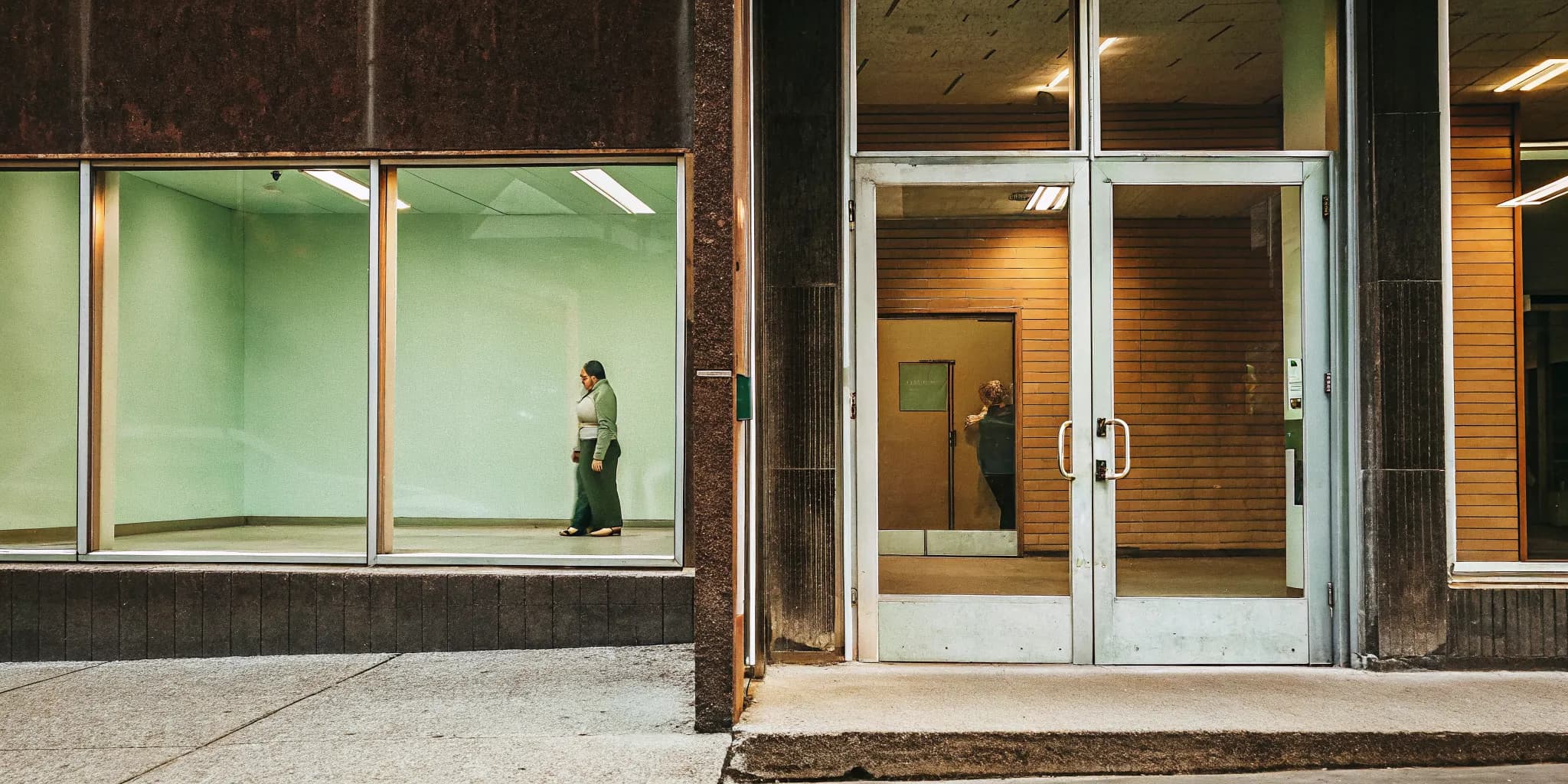
Commercial security glass NJ is a high-strength glazing designed to stop break-ins and protect local business property from heavy impact or extreme physical force and structural damage. These strong systems use tough layered glass that stays together after a strike, which helps block smash-and-grab crimes or damage from severe South Jersey storm winds and rain. According to established safety standards, picking the right glass involves checking for ballistic threats, damage risks, and the total level of staff oversight at the facility and walls. By using these tough barriers, property managers can keep their buildings safe without losing the bright natural light or the high-end look of a storefront and customer appeal.
Commercial Security Glass Nj: What is commercial security glass?
Commercial security glass is a high-strength glazing solution built to protect people and property from intentional harm. Unlike standard glass that shatters on impact, security glazing uses multiple layers to hold its shape. This barrier helps stop forced entry, theft, and even blasts. For many New Jersey businesses, choosing the right glass starts with a full threat check of the facility and its location.
Safety glass versus security glass
It is important to know the difference between safety glass and security glass. Safety glass, like tempered panels, is meant to prevent injury if it breaks. It crumbles into small, dull pieces rather than sharp shards. You can find more details on these products in our guide to commercial window security glass solutions.
Security glass goes much further. It is built to withstand repeated strikes from heavy tools or even firearms. High-risk sites in the tri-state area often need glass that meets strict federal rules. For example, some glazing must pass tests set by the National Institute of Standards and Technology (NIST). These tests ensure the glass can resist specific levels of force.
Glazing for the New Jersey market
In South Jersey and Philadelphia, business owners must follow local building codes and safety rules. The right commercial security glass NJ choice depends on your specific use case. A retail storefront in a high-traffic zone may need different protection than an office park or a school. Choosing glass that meets these codes ensures both your safety and your insurance status.
Our team at Cosello Construction provides expert help with commercial security door and glazing upgrades for local properties. We focus on durable systems that fit the exact needs of your building. This approach helps you get the best value while meeting all required safety rules in the NJ and Philadelphia region.
How do commercial security glazing options compare?
The right glazing depends on the risk you need to manage. Tempered glass, laminated glass, impact-resistant assemblies, and forced-entry-resistant systems are not interchangeable labels. Each addresses a different performance goal, and the tested assembly matters more than a product name alone.
Tempered and laminated glass
Tempered glass is heat-treated safety glazing. When it breaks, it typically crumbles into smaller pieces rather than dangerous shards. That characteristic helps reduce injury risk, but a broken opening may still allow entry.
Laminated glass bonds multiple glass layers around an interlayer. When the glass cracks, the interlayer can help hold the fragments together and keep the opening intact. Its resistance depends on the complete makeup, including glass thickness, interlayer, framing, and installation.
Impact-resistant and forced-entry-resistant systems
Impact-resistant glazing is designed and tested for a stated impact condition. The term may refer to different hazards, so buyers should ask which test and performance level apply. Do not assume that an impact-rated product is automatically rated for forced entry or another threat.
Forced-entry-resistant glazing is designed to delay penetration during repeated attacks. That delay can give occupants time to respond and emergency services time to arrive. Results depend on the complete tested opening, not only the transparent panel.
Comparison at a glance
| Option | Primary purpose | Key limitation | Important buying question |
|---|---|---|---|
| Tempered glass | Reduce injury after breakage | May leave an open path after breaking | Where is safety glazing required? |
| Laminated glass | Retain fragments and help preserve the opening | Performance varies by makeup and frame | What assembly and test support the specification? |
| Impact-resistant glazing | Resist a defined impact hazard | One impact rating does not cover every threat | Which hazard and test does the rating address? |
| Forced-entry-resistant system | Delay penetration during an attack | Weak framing or hardware can undermine performance | Was the complete opening tested as a system? |
Security glazing can also be designed around additional priorities, such as energy efficiency, visibility, or acoustic performance. Those goals should be coordinated early, because added layers and heavier assemblies may affect frame depth, door operation, hardware, and installation details.
A qualified team can evaluate the opening as a whole. Cosello Construction works with commercial properties on storefront doors and windows, commercial security doors, and related opening-system needs.
Where does security glazing make sense?
Choosing the right glass for your building is about more than just light. Commercial security glass NJ helps protect property and people from many threats. The best choice depends on what your building does and the risks it faces. You must think about things like break-in risks, theft, and even gun threats. Your glass choice should match the strength of your walls and frames so there are no weak spots.
Retail and storefront shops
Storefronts are often the first target for theft or small crimes. In busy New Jersey towns, glass shops often deal with broken windows. High-grade glass can stop a person from smashing through a front door in seconds. This glass can be part of full commercial security door and glazing upgrades that slow down thieves. By using tough glass, you can protect your goods even when you are closed. It also helps with small acts like spray paint or scratches that can ruin a look.
Schools and public buildings
Public sites like schools and local offices need to stay safe for all who enter. Safety glass here is about stopping threats before they start. You may need glass that meets ASTM F1915 grade levels for high security. These rules help you pick the right glass thickness for areas where many people gather. In these sites, you must also follow ADA standards for all entry points. This ensures that your tough glass doors are still easy for everyone to use and pass through.
Offices and large housing sites
Private offices and hospitals often hold vital data or costly tools. These sites need to protect staff and guests from harm. You can use strong window glass to keep these rooms safe. For some high-risk sites, you may even need glass that stops bullets. This type of glass must meet UL 752 Level III rules for small arms. Using no spall glass is also a good idea. It keeps small glass bits from flying off and hurting people if the window is hit.
Big housing blocks and condos also need strong glass. Common areas like lobbies or gyms are prone to break-ins. Using durable glass for lobby doors is a smart move. It keeps tenants safe while giving the building a modern look. Strong glass is also less likely to break during a bad storm. This helps lower the cost of repairs over time for site owners. It also adds a layer of trust for people who live there.
Why the complete opening system matters
Commercial security glass NJ owners buy must do more than just stop an impact. A window or door is only as strong as its weakest part. If you put high-end glass in a thin frame, the whole unit might fail. This is why experts look at the entire opening as one single system. This system includes the glass, the metal frame, the locks, and the way it connects to your building wall.
When one part of the system is weak, the whole building is at risk. A thief will always find the easiest way in. They might not break the glass if they can pry the frame or break a cheap lock. Thinking about the whole opening helps you get the most value for your safety spend. It ensures that every dollar you put into your building works to keep people and property safe.
Components of a secure entrance
A complete system starts with the glass, but it does not end there. Many shops in New Jersey choose durable storefront security glazing to protect their stock. This glass must be rated for the specific threats your business faces. For example, some glass is made to stop heavy tools, while other types are meant to stop small arms fire. You must know what you are trying to stop before you pick your glass.
The law often requires these systems to follow strict rules. In many states, glass security levels must match ASTM F1915 standards for grading materials. These grades help you know how long the glass can hold up under a physical attack. Picking the right grade is the first step in a safe design. It gives you a clear way to compare different products and find the best fit for your needs.
The role of framing and hardware
The frame holds the glass in place and spreads the force of an impact. Without a strong frame, even the best glass can pop out of the wall. High-security windows often use aluminum security window systems that are built to handle extreme stress. These frames are thicker and use special anchors to stay fixed to the building. They keep the glass where it belongs, even during a break-in attempt.
Hardware also plays a big role in safety. Every lock and hinge must work with the glass and frame. If you upgrade your glass, you should also look at commercial security door and glazing upgrades. A heavy door needs locks that can take the same level of force as the glass itself. This prevents a thief from simply prying the door open or breaking the latch. A matched system makes sure there are no easy paths for a thief.
Expert installation and wall matching
How you put the system in the wall matters just as much as the parts you buy. The security level of the glass and frame must match the strength of the walls around them. It does little good to have a bulletproof window in a wall that cannot stop a round. This balance is key to a solid safety plan for any office or store. Expert installers check the wall type to make sure the anchors will hold fast during a blast or impact.
Finally, daily use is a factor. Your entrance must be safe but also easy for people to use. Public buildings must meet ADA accessibility standards for all entry points. A pro team like Cosello Construction ensures your commercial window security glass meets these rules. We make sure your building is secure while staying open for your staff and clients. Our 20 years of work help us spot possible issues before they become costly problems for your business.
What codes and performance standards apply?
Every building project must follow specific rules to keep people safe. These rules vary based on your city and how you use your space. When you plan to install commercial security glass NJ property owners should first check local building codes. These codes ensure that your glass can handle the daily stress of a busy site while providing a shield for your team.
Local building codes and rules
New Jersey building codes set the base for all safe construction. These codes often follow the International Building Code (IBC). They list how windows and doors must hold up under force. For high-traffic areas, you must follow ADA accessibility standards to ensure all people can enter your site safely. These rules impact where you place your glass and how you design the heavy frames.
Your building use also matters. A school will have different needs than a retail shop or a large warehouse. The law says that your glass must match the safety level of the walls around it. This keeps the whole building secure from a forced breach. You should also think about risks like damage or extreme weather when picking your parts.
Standardized safety and impact testing
Most security glass goes through hard tests to prove its strength. You will see labels for ASTM and UL standards on many products. For example, ASTM F1915 gives clear grades for how well glass resists a person trying to break in. This helps you pick the right level of safety for your store or office based on known risks.
If you need safety from guns, look for UL 752 ratings. Level III is a common choice for stopping rounds from small arms. These systems often use glass that does not shard when hit. This helps prevent injury from flying debris during an attack. Using commercial window security glass with these ratings adds a strong layer of defense to your site. High-quality glass should resist a strike without letting the glass fall out of the frame.
Working with local experts
Building rules can be hard to read on your own. You should work with experts to make sure your project meets all state and local laws. A local architect or a code official can tell you which standards apply to your specific zip code. They can also help you find the best balance between safety and your building style.
At Cosello Construction, we help guide you through these tough choices. We offer secure commercial entry solutions that fit New Jersey codes and your budget. Getting expert help early in the process saves time and avoids costly mistakes. It also ensures that your new glass meets every safety goal for your business and keeps your site secure for years.
How should buyers choose a security glazing system?
Choosing a security glass system is a big task for any building owner. In the New Jersey and Philadelphia areas, firms must guard against many risks. These include theft, bad storms, and even gun threats. Picking the best commercial security glass NJ takes a clear plan. You must look at your site and find a team you can trust. A good system keeps your items safe and gives you peace of mind.
Finding the Risks for Your Site
First, you must look at the exact risks your building faces. Busy spots like lobbies and street shops are often at the most risk. You should think about if you need to stop a simple break-in or a fast impact. The strength of your security glass should match the strength of your walls. If your glass is stronger than your frames, a weak spot remains. This is why a full view of your building face is so vital.
Local building codes in New Jersey also play a role. These rules make sure that your windows meet safety standards. It is also smart to check what your insurance needs. Many firms want set glass types to lower your risk. By looking at these things, you can find a system that fits your budget and your safety goals.
Checklist for Buying Security Glass
Use these steps to guide your search for a safe window system. This list helps you compare glass types and find the right team for the job.
- Pick your threat level. Decide if your main goal is to stop theft or to block bullets. This choice tells you which glass grade to buy.
- Check for safety rules. Look for glass that meets ASTM F1915 rules for security grade levels. For higher risks, make sure the system meets UL 752 Level III needs.
- Look at your window frames. Safe glass needs a strong frame to work well. Many NJ firms use aluminum security frames that hold the glass in place.
- Find low-spall options. These systems stop glass bits from flying into the room when hit. This helps keep staff and guests safe from harm.
- Verify the team's past work. Choose a local team with many years of skill. A family-owned firm offers a personal touch and fast service.
- Ask about labor warranties. Make sure your team stands by their work. This ensures that any issues with the setup are fixed at no extra cost.
Keeping Your System Safe Over Time
Regular care is key to a safe system. Over time, seals and frames can wear down. This might lower how well your windows protect you. Yearly checks help find small issues before they become big risks. A pro team can help you set up a plan for these checks. They can also give fast help if your glass is ever broken.
A full plan for commercial security door and glazing upgrades keeps your site safe. Focus on your most weak spots first. This often means doors and windows that face the street. By using durable storefront security glazing, you create a strong shield. This choice helps your business stay safe and strong.
Planning a commercial security glass project in NJ
Starting a commercial security glass project in NJ requires a clear plan. You must find the right balance between safety and daily use. A good plan helps you stay on budget and meet local rules.
Initial security check and glass choice
The first step is a full check of your building. You need to know what risks your property faces. This includes looking for spots where people might try to break in or cause harm. For high-risk areas like banks or schools, you might need glass that stops bullets. This type of glass must meet ASTM F1233 or UL 752 Level III standards for safety.
You should also look at how many staff will watch the area. If few people are around, you might need thicker glass to stop a break-in. It is also wise to check the walls and door frames. Your glass should be as strong as the walls and other parts near it. If your walls are weak, even the best glass will not keep you safe. Many owners also choose glass that does not shard or flake. This helps prevent injury from debris if the glass breaks.
Meeting codes and design needs
Every commercial project in NJ must follow local building codes. You must also think about rules for access for people with disabilities. These rules ensure that all people can enter your building safely. New builds or major changes often need access points that use secure glass.
You also have to pick the right frame for your glass. Metal frames are a common choice for business sites. They are strong and can hold heavy glass well. You can use these systems for storefronts, lobbies, or office windows. It is best to choose a style that looks good but still keeps people out. You can also look into commercial security door and glazing upgrades to protect your main entry points.
Setting up the work and final check
Once you have a plan, you need to set up the work. Most business projects should finish quickly to avoid downtime. Expert teams can often complete these tasks in about two weeks. This work includes setting up the crew, getting parts, and doing the install.
Good teams will check the seals and locks after the glass is in place. They make sure everything works together as a system. This final check is key to keeping your site secure. If you have questions about your site, you can contact our team for a full review. We use skilled staff to ensure your glass meets all safety needs. This helps your business stay safe and follow insurance rules for years to come.
Frequently Asked Questions
How much does commercial security glass NJ cost?
Prices for commercial security glass in New Jersey vary based on the safety you need. Basic layered glass is the low cost choice for small shops. High end bulletproof glass costs more because it is thick and heavy. You also need to pay for expert setup. Most jobs in South Jersey are done in about two weeks. Getting a quote is the best way to find the price for your building.
Does commercial security glass NJ need to meet specific grades?
Yes, security glass must meet strict rules to prove it is safe. Most glass follows rules like ASTM F1915 for grade levels. Based on the state code, bulletproof glass should meet ASTM F1233 or UL 752 Level III rules. These grades show if the glass can stop a heavy tool or a gun. Using the right grade helps you meet local NJ codes and keep your insurance firm happy.
Can I add security glass to my current window frames?
In many cases, you can add security glass to your old window frames. This is often done with thin films or light glass layers. But very thick bulletproof glass is heavy. It may need new aluminum security windows to hold the weight. An expert can check your frames to see if they are strong enough. Adding to old frames is a smart way to boost safety without a full new unit job.
How do I choose the right security glass level for my site?
To pick the right level, you must look at the risks your site faces each day. Think about the threat of theft, storms, or crime in your part of New Jersey. Retail shops often use tough glass to stop theft. Sites like banks or schools may need higher grades of glass to stop force. The ADA also has access rules for entry points that you must follow. A pro can help you find the best glass.
Ready to secure your South Jersey commercial property and protect your inventory?
Waiting to upgrade your building's glass leaves your commercial site vulnerable to break-ins that can stop your business and cause a very large financial loss. Our trusted team completes most security glass projects in just two weeks so you get a safe facility without the long wait times of other pros. By starting your project today, you can protect your staff from harm and avoid the high cost of emergency repairs while getting total peace of mind. A site that stays safe and code-compliant during every hour of the day and night helps you focus on your own daily business goals.
Ready to schedule a commercial glazing consultation? Call (856) 317-1770 to talk to a construction professional and protect your facility from any future harm today.