
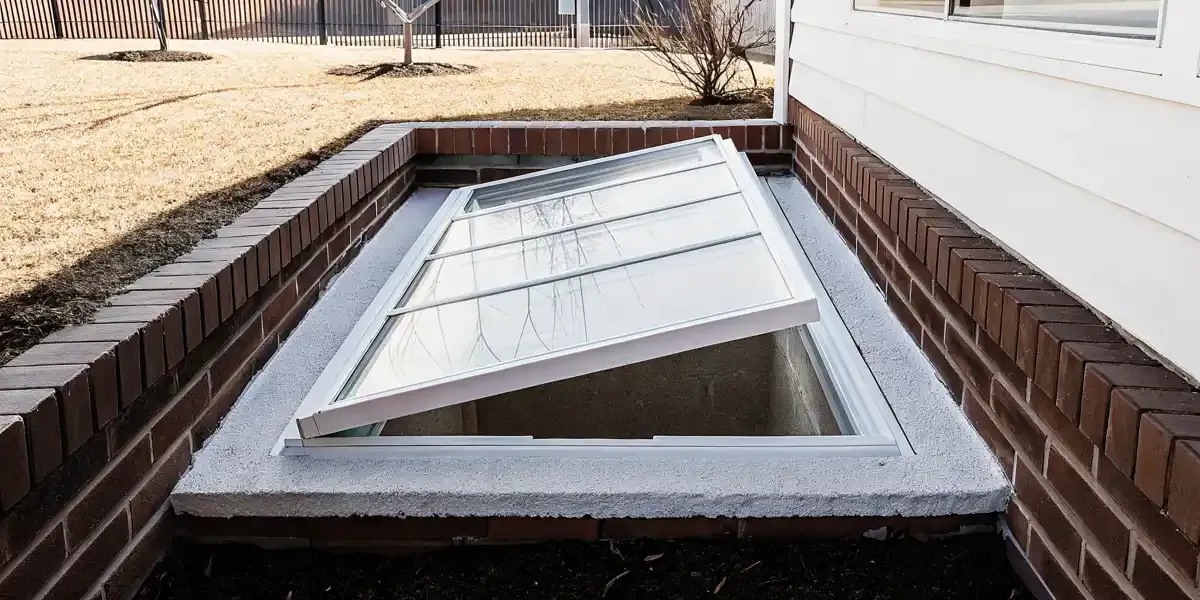
A finished basement should feel like part of the home, but without a safe way out, it can become the most dangerous room in an emergency. For homeowners planning egress window installation South Jersey projects, the right window, well, drainage, and permit strategy can turn a dark lower level into a safer, brighter, more useful space.
Call (856) 317-1770 for a free egress window estimate from Cosello Construction.
Egress window installation south jersey involves cutting into a thick basement foundation wall to create a code-compliant exit that meets strict New Jersey safety rules for family homes. To be legal, the window must have a clear opening of at least 5.7 square feet and a sill height under 44 inches from the basement floor. The professional work requires a building permit, expert digging, and a strong window well with a built-in ladder or steps for a quick and safe escape from danger. This project turns a dark storage area into a safe and bright living space while adding natural light, fresh air, square footage, and value to your family property.
Homeowners often ask how these specialized windows improve their lower-level rooms beyond meeting safety laws. Understanding what an egress window does for a South Jersey basement is the first step in planning a project that protects the foundation and creates a more comfortable room.
Egress Window Installation South Jersey: What an egress window does for a South Jersey basement
An egress window is a large window built for safety and ease of use. It is much bigger than the tiny windows often found in old South Jersey homes. The word egress means a way to go out. In a basement, this window works as a key exit path if the main stairs are blocked. It is a vital part of making your lower level a safe place to live or play. A proper egress window installation south jersey homeowners pick helps protect their families while adding value to the home.
These windows are not like common basement windows. They must follow clear size rules so a person can climb through them with ease. They also come with a deep well on the outside and often a ladder. This setup makes sure that anyone can get out and away from the house fast. While they are built for safety, they also change the look of your basement. They turn a dark, small space into a bright room that feels like any other part of your home.
A safe path out in a fire
The main job of an egress window is to save lives during a fire or other urgent time. In a basement, the stairs are often the only way out. If a fire starts near the stairs, people can get trapped below ground. An egress window gives you a second path to safety. It is large enough for a person to crawl through and for a firefighter to enter with gear. This is why local New Jersey building codes require these windows in all basement bedrooms and living areas.
To work as a safe exit, the window must follow strict rules for its size and height. It must have at least 5.7 square feet of clear space when it is fully open. The sill cannot be more than 44 inches off the floor. These rules make sure that even a child or an old person can reach the window and get out. When you use expert egress window installation services, you ensure your home meets these vital safety rules. This gives you peace of mind that your family is safe in your new basement space.
More light and fresh air
Beyond safety, these windows bring a lot of bright light into your basement. Most old basements have tiny windows that let in very little sun. This can make the space feel cold, damp, and dark. An egress window acts like a large wall of glass that fills the room with light. This makes the basement feel bigger and more warm. It can also help you save on power because you will not need to turn on lights during the day. The sun also helps keep the air dry and stops mold from growing on the walls.
Fresh air is another big gain from a large window. You can open an egress window to let out stale air and bring in a breeze. This is great for basements that often feel stuffy or smell like old boxes. Good air flow makes the room nicer for guests or for kids to play. You can enjoy your basement all year long without it feeling like a cellar. This change in feel is a major reason why many people opt for home window replacement that includes egress options.
Extra room for your family
If you want to add a bedroom to your basement, you must have an egress window by law. This rule exists to make sure any person sleeping in the basement has a way out. Without this window, the room cannot count as a bedroom when you sell your home. Adding a safe exit lets you use the space as a guest room, an office, or a gym. It opens up new ways to use your home as your family grows. This makes your house more useful and more liked by buyers in the future.
- Turn your dark basement into a bright and legal bedroom for guests.
- Increase the total living space of your home without a costly extra part.
- Boost your home value by adding a safe and modern living area.
- Improve the safety of your home for your kids and pets.
- Make your basement a nicer place to work or relax with a view.
An egress window is a smart choice that pays off in many ways. It keeps your family safe while making your home better to live in. While the work involves digging and cutting into your wall, the result is well worth the effort. It is the first step in turning a simple storage area into a high-quality living space. Be sure to check with local South Jersey officials to find the rules for your town. A well-set project will ensure your basement is safe, legal, and bright for many years to come.
When does a New Jersey basement need an egress window?
A basement egress window is a large opening that acts as a safe exit. It is big enough for a person to climb out and for fire crews to climb in. Many people in South Jersey want to turn their basements into useful rooms. You might want a guest bedroom or a home office. If you need egress window installation south jersey homeowners can trust, it helps to know the local rules. These rules keep your family safe in case of a fire.
Sleeping rooms and living spaces
In New Jersey, the law says any basement with a "sleeping room" must have an egress window. If you put a bed in a basement room, it counts as a sleeping room. Even if you call it a "den," a local checker might see it as a bedroom. Safety codes are strict about this because fires can block the main stairs. You need a second way out that leads right to the outside.
Adding a bedroom to your home also adds value. But if the room does not meet the Uniform Construction Code, it cannot be listed as a bedroom. This can be a problem when you try to sell your house. Working with a team that knows South Jersey codes ensures your home stays safe and legal. It also makes sure your home meets all state safety needs.
Common code sizes
The state follows specific rules for how big these windows must be. An egress window must provide a clear opening that is at least 5.7 square feet. The window must be easy to open from the inside without tools or keys. Also, the bottom of the opening cannot be more than 44 inches off the floor. This height makes it easy for kids or adults to reach the exit fast.
If your window is below the ground level, you will need a window well. These wells must be large enough to allow a person to stand and climb out. If the well is deeper than 44 inches, it must have a ladder or steps. This is a key part of professional window replacement services in the region. These steps must be easy to use and stay in place at all times.
Permits and local rules
You should always get a building permit before you start your project. Each town in New Jersey has its own office for permits and checks. They will look at your plans to make sure they follow the safety laws. A checker will also look at the work once it is done. This check protects you by making sure the window will work in a crisis. It also keeps your home insurance valid.
Cutting through a basement wall is a big job. It can affect the base of your home. A permit ensures that the work is done by people who know what they are doing. It also gives you peace of mind. Always call your local building office to ask about the rules in your town. They can tell you if you need special plans or if there are new local rules to follow.
How egress window installation works from start to finish
A professional egress window installation typically includes utility marking, excavation, foundation cutting, structural framing, window and well installation, drainage work, sealing, and a final inspection. Most straightforward projects can be completed quickly, but access, wall type, weather, and permit timing can affect the schedule.
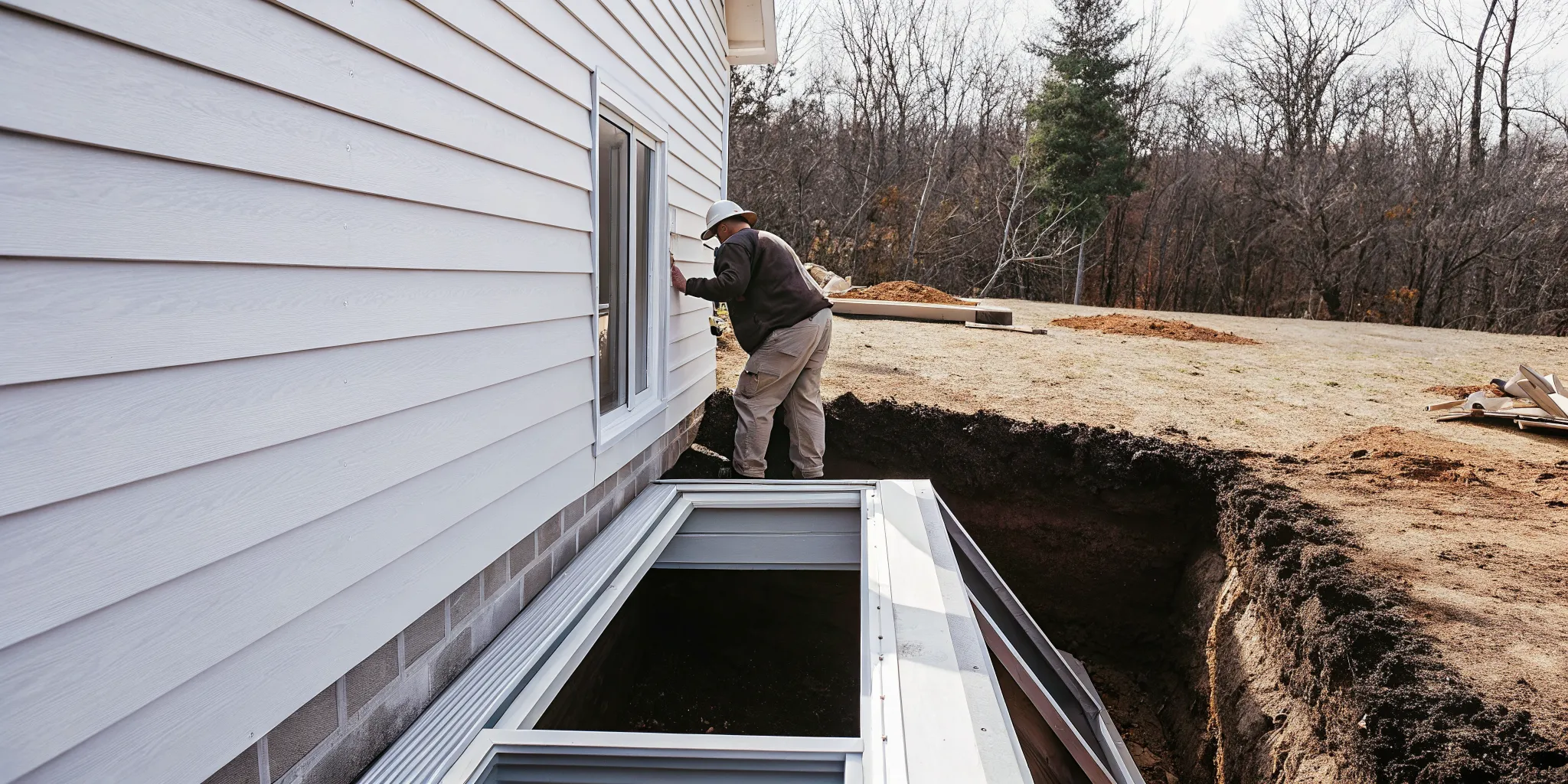
A professional egress window installation involves several steps to ensure safety and code rules. In South Jersey, this process starts with a full site survey to find the best spot for your new exit. Our team checks for utility lines and wall needs before any dirt moves. This planning phase ensures your home stays safe while we work.
Site assessment and utility marking
The first step is a close look at your basement and yard. A pro will find a spot that meets the New Jersey code for emergency escape openings. This includes checking that the window can open fully into a yard. We also call 811 to mark all lines like gas, water, and power to avoid hits during digging.
We also look at the soil and slope of your land. In South Jersey, sandy soil can change how we dig and drain the well. This check helps us choose the right tools for your financing options for eligible window projects. Once the plan is set, we get the local permits needed for the job.
Excavation and foundation cutting
After marking the site, the team starts the digging. We dig a large area for the window well. This space must be big enough to hold the well and allow for a stone base. Good digging prevents soil from pressing against your new window frame later. We make sure the hole is safe for the next steps.
Next, we use a saw to cut through your concrete foundation. This part of the work is precise and creates some dust, so we use plastic to protect your home. Cutting the wall allows for a window with at least 5.7 square feet of clear space. This is a key safety rule for New Jersey basements. We then set a support beam to hold the weight of the wall above the new hole.
Window setting and well drainage
With the hole ready, we put in the window frame and seal it to stop air or water leaks. We use strong glue and tape to protect your basement from rain. This step is key for energy use and a long life. We then place the window well and bolt it to the house wall with large screws.
- Install the stone base: We add at least four inches of stone at the bottom of the well to help with drainage.
- Connect the drain: A drain pipe is often tied into your house drain or led to a dry well.
- Backfill and slope: Dirt is put back around the well and sloped away from the house to keep water out.
- Mount the ladder: For wells deeper than 44 inches, we bolt a ladder inside to allow for a quick exit.
- Apply final trim: Inside your basement, we finish the window with wood trim and paint to match your room.
The last step is a final check to make sure the window opens fast from the inside. We verify that all locks work without the need for keys or special skill. This ensures your residential window replacement adds both light and a safe path out. A local official then checks the work to close the permit.
What affects egress window installation cost in South Jersey?
Egress window cost depends on the foundation material, excavation access, window and well size, drainage needs, permits, and interior finishing. A site visit is the best way to price the work because two similar basements can require very different cutting, waterproofing, and restoration plans.
Adding an egress window is a smart move for your home in South Jersey. It brings in light and makes your basement safer. But how much you pay for this project can change. Many factors play a role in the final price of the work. It is not just about the window itself. You also have to think about the digging, the wall cutting, and the local rules. Every home is different, so each quote is unique to your space.
Wall type and soil
The type of your basement walls is a big deal. Most homes in the area have poured concrete or cinder block walls. Poured concrete is harder to cut than blocks. This means it takes more time and better tools to make the hole. Thick walls also need more labor. If your walls are very thick, the cost will go up. The soil around your home also matters. Sandy soil is easy to dig, but heavy clay or rocky ground makes the job much harder. Wet soil may also need extra help to keep the hole safe during the build.
We also look at the state of your wall before we start. Old walls may have cracks that need a fix first. A solid wall is a must for a good fit. If we find issues, we must fix them to keep your home safe. This part of the examples of completed window and door projects keeps your space dry and secure. Using the right tools for your wall type keeps the work on track and on budget.
Digging and site access
A big part of the cost is the digging. We must clear a large space for the window well. If our machines can reach the spot easily, the job goes fast. But if we have to dig by hand because of a fence or a deck, it costs more. Hand digging takes more hours and more staff. The depth of the hole also counts. Deep wells need more work and more items to stay safe. We also have to plan for what to do with all that extra dirt. Some owners want it moved, while others want it taken away.
Items like pipes or wires can also slow us down. We check for gas lines, water pipes, and power cables before we dig. If these items are in the way, we may have to move them. This adds to the level of work for the project. A clear path for both the machines and the debris is the best way to keep costs low. We aim for a clean workspace to protect your yard and your home.
Safety codes and permits
In New Jersey, you must follow strict safety rules for basement exits. This includes getting a permit from your town. These rules keep your family safe during a fire. For example, the window must be large enough for a person to climb out. If the well is deep, you may need a ladder or steps. Following the NJ building safety codes is a must for every project. These steps ensure your new window meets all legal rules. It also keeps your home value high for the future.
Permit fees change by town in South Jersey. We help handle the paperwork to make sure everything is legal. A town expert will check the work to make sure it meets the code. This gives you peace of mind that the job is done right. Skip these steps and you could face fines or trouble when you sell your home. We do things by the book to protect your home.
Window and well choices
The parts you choose for the window also change the price. You can pick common windows or styles that match your home. High-end glass and frames cost more but can save you money on power bills. The window well is another factor. Basic wells are made of steel. But some people like stone or plastic that looks like wood. A good cover is also needed to keep out rain, snow, and trash. These choices let you change the look of your basement while staying safe.
- The size and style of the window you choose for light and safety.
- Ways to keep water out and drain it away to keep your basement dry.
- The type of window well and cover you pick to fit your yard's style.
- Interior trim and finish work to match your basement walls and style.
- Wall support beams to keep the structure strong above the new window.
- Fixing up your grass and plants after the work is done.
To get the best result for your home, look at the full scope of the quote. A cheap price might miss key items like site cleanup or proper drainage. We focus on a complete job that lasts for years. When you are ready to start, we can help you with expert egress window installation South Jersey homeowners trust. This ensures your project is done right from start to finish. A well-done job adds value and safety to your living space.
Choosing the right basement window, well, and cover
The choice of your window, well, and cover sets the safety of your home. A proper setup meets local laws and gives a quick exit during a fire. For an egress window installation south jersey, you must think about how the unit opens and the size of the well. Each part must work together to make sure you can get out fast if you need to. Choosing high-quality parts also helps stop water leaks and mold growth in your basement.
Basement window styles for egress
Casement windows are a top pick for basement exits. They hinge at the side and swing out like a door. This style gives a large space even in small rooms. Because the whole sash moves out of the way, it is simpler to meet the 5.7 square foot rule for clear space. You should check the swing path to make sure the window does not hit the well wall when it opens. These units also give a tight seal when closed to keep out drafts.
Slider windows are another common choice for many South Jersey homes. These units have two sashes that slide left or right. They work best in wide spots where there is enough room for one sash to clear the other. But keep in mind that a slider only opens half way at most. This means you need a much wider unit to meet the same safety codes as a casement window. Most homeowners like sliders because they are easy to use and maintain over many years.
| Window Type | Clear Opening | Best Use | Key Limit |
|---|---|---|---|
| Casement | High | Small spaces | Needs swing room |
| Slider | Medium | Wide walls | Half stays shut |
| Double-Hung | Low | Tall walls | Hard to pass code |
| Hopper | Low | Top venting | Often too small |
Selecting a durable window well
The window well is the dug-out space that sits outside your new basement window. It keeps dirt and water away from the glass. You can find wells made from galvanized steel or tough mixed parts. Steel is often cheaper but can rust over time if not coated well. Mixed wells look more like natural stone and will not rot or rust. They also tend to stay cooler in the summer and warmer in the winter.
Size is the most vital factor for your well. The well must be big enough for a person to stand in and climb out of. If your well is deeper than 44 inches, the law says you must have a ladder or steps. These must be fixed to the well wall so they do not move. You can find more details on these safety rules on the NJ.gov building code site to make sure your project is safe. A well that is too small can trap a person during a danger.
Choosing a safe well cover
A good cover keeps kids, pets, and debris out of the well. It also lets in light and fresh air. Most covers use clear polycarbonate or metal grates. A clear cover helps brighten your basement and keeps out rain and snow. It is vital to buy a cover that can hold weight but is still light enough for a child to lift from the inside. If the cover is too heavy, it can become a trap instead of a shield.
Safety should always come first when you pick a cover. High-quality clear covers can often hold up to 500 pounds of weight. But they must also pop off or hinge open easily without any tools or keys. If you need help picking the right parts, you can look for Cosello Construction's experienced team in your area. Using the right tools for an energy efficient window setup will also help lower your power bills. Proper covers also prevent small animals from getting stuck in the well.
Drainage and waterproofing details that protect the basement
Reliable drainage is as important as the window itself. The well must direct water away from the opening, connect to an appropriate drainage path when required, and be sealed carefully where the frame meets the foundation. These details help prevent leaks, soil pressure, and premature deterioration.
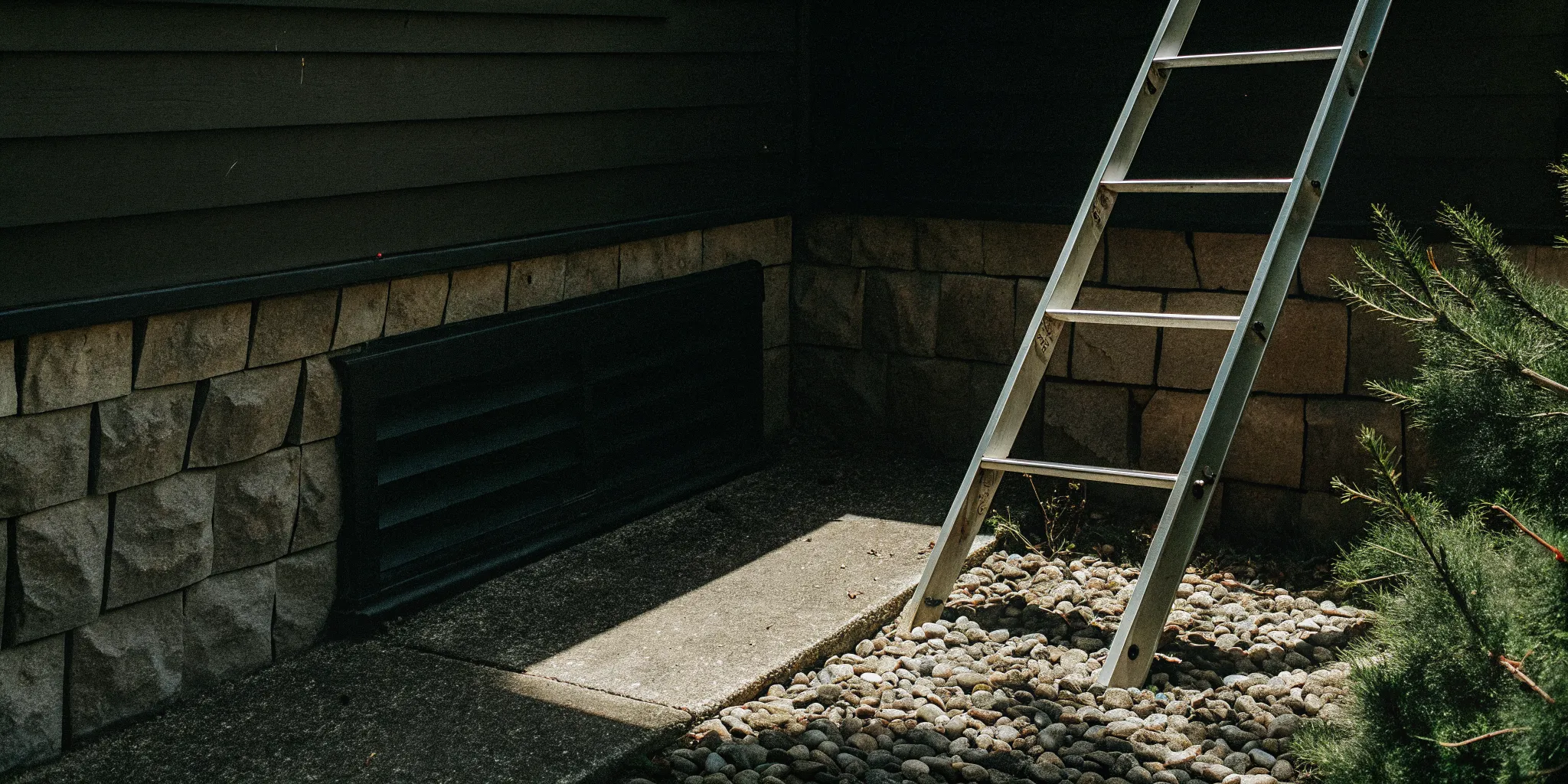
South Jersey homeowners often deal with a high water table and wet soil. When you plan an egress window installation south jersey, you must think about how water moves around your home. If you do not have a good plan for drainage, a new window well can act like a bucket that catches rain and groundwater. This can lead to leaks or even floods in your basement. Expert teams look at the slope of your yard and where your downspouts point to make sure water stays away from the house.
Managing the South Jersey water table
The soil in our area can vary from heavy clay to very sandy. Clay soil holds water for a long time, while sandy soil lets it move fast. Both types can cause trouble if the water table is high. A high water table means the ground stays soaked near the surface. To keep your basement dry, a well-set basement window installation includes a drain at the bottom of the window well. This drain should tie into your home's French drain or lead to a dry well.
In areas with wet soil, we also check the type of base your house has. Poured concrete and block walls need different types of seals to keep water out. We apply a water-tight seal to the outer wall before the well is set. This keeps moisture from seeping through the cut made for the new window. We also use a layer of clean gravel at the base of the well to help water reach the drain quickly. Without this gravel, the drain can clog with dirt and stop working.
Grading and downspout placement
The slope of the ground around your home is your first line of defense. The land should always fall away from the house. If the yard slopes toward the window well, even the best drain might fail during a big storm. We often suggest moving downspout exits at least six to ten feet away from the new well. This simple step reduces the amount of water the well has to handle. It is a key part of any South Jersey window installation project.
If your home has limited access or many buried pipes, the design may need to change. We always mark gas, water, and power lines before we dig. This keeps the work safe and avoids costly breaks. When access is tight, we use small tools to protect your lawn and plants. We also look at the depth of your basement floor to set the window at the right height. You can find more details on these safety rules on the NJ.gov building code site to make sure your project is safe.
Warning signs and questions for your team
Before you start your work, look for signs of water trouble. Do you see damp spots on your basement walls? Do you smell a musty scent after it rains? These are signs that you may need extra steps to keep water out. A good team will ask about these issues during the first visit. They will also look for cracks in the base of your home that might get worse when we cut the wall.
When you talk to a pro, ask these questions:
- How will you tie the window well drain into my current system?
- What type of gravel will you use at the base of the well?
- Will you seal the wall after you cut the opening?
- How far will you move my downspouts to keep water away?
- What is your plan for handling high groundwater during the dig?
Choosing a team with more than 20 years of work in the field ensures these details are not missed. At Cosello Construction, we are a trained team that knows the Tri-State area. We help you pick the best residential window replacement and egress options for your home. Proper drainage and seals are just as vital as the window itself for a safe, dry basement. Your new window should bring in light and safety, not water.
How to choose an egress window installer in South Jersey
Picking the right pro for your egress window installation in South Jersey is a big choice. You are not just adding a window. You are cutting a hole in your house wall. This job needs a high level of skill to keep your home safe and dry. Many teams can put in a normal window. But few know how to handle the heavy digging and wall cutting needed for a basement exit.
Check wall and code skill
A good team should show they have cut many house walls before. They must use large saws with water to make clean cuts through concrete or block. If the cut is messy, it can hurt the strength of your house. You should also ask if they know the local South Jersey rules. In most towns, your window must meet the IRC code. This code says the window sill cannot be more than 44 inches off the floor. If the window well is deep, the law says you must have a ladder or steps to help people get out.
You can check these safety rules on sites like ogdenny.gov to see what a safe exit looks like. Your pro should get a permit for the job. If they tell you that you do not need one, that is a red flag. A permit means a city inspector checks the work to keep your family safe. When you talk to a team, ask these key questions:
- Do you have a license to work on homes in South Jersey?
- Can you show me a plan for well drainage?
- Will you handle all the permit work with the town?
- Do you have safety plans for your crew and my land?
- How many egress units have you put in this year?
Review the water and drain plan
Water is the biggest risk when you dig a deep hole next to your basement. A pro must have a clear plan to keep water out of your home. This plan should include a drain at the bottom of the window well. This drain should tie into your home's floor tile or a pump. Without a drain, the well can fill like a fish tank during a heavy storm. Ask how they will seal the area where the window frame meets the wall. We use high-grade sealants to stop leaks before they start.
A full plan also covers how they will put the dirt back. They should slope the ground away from the well so rain runs off. If you want to learn more about keeping your lower level dry, you can look at our reviews from local customers for more tips.
Look for safety plans and labor promises
Working in a deep pit and cutting stone walls is hard work. You must make sure the firm has full safety plans and pay for hurt workers. This protects you if someone gets hurt on your land. Also, look at the promise they offer. Most brands cover the glass. But you need a firm that stands behind the work. At Cosello Construction, we give a 2-year labor promise because we trust our work. We have more than 20 years of skill in residential window replacement and we know how to do the job right.
Be wary of very low bids. Often, a low price means the team is skipping steps like proper drains or using a permit. It is better to pay for a full plan than to fix a leaky basement later. Ask for names of people they have helped in South Jersey to see their work for yourself.
Frequently Asked Questions
What is the egress code for a window in New Jersey?
New Jersey uses the same safety rules as most other states. A basement exit window must have a clear opening of at least 5.7 square feet. The bottom of the window can be no more than 44 inches from the floor. This height makes it easy for kids and adults to reach the exit fast. If the well is deeper than 44 inches, you must have a ladder or steps. These rules help people get out and help crews get in.
Do I need a building permit to put in an egress window?
You do need a permit for this work in South Jersey. Local towns use permits to make sure every job follows the law. This process starts with a plan and ends with a check by a town expert. Cutting a hole in your wall is a big change for your home. This check ensures your home stays strong and safe. It also helps your home value and keeps your insurance in good standing for years to come.
How much does egress window installation south jersey cost?
Most egress window systems in South Jersey start at about $5,000. Your final price depends on your wall type, soil, and window choice. Poured walls or tight spaces can add to the labor cost. According to Egress Pros, basic escape systems often start at $4,995. This price covers the window, the well, and the work to cut the wall. Getting a pro to do the job right saves you money on future fixes.
How long does it take to install an egress window?
A pro team can usually finish the job in one day. This time includes digging the hole, cutting the wall, and putting in the new window. Some jobs may take two days if the soil is hard or if the site is hard to reach. A fast job keeps your home safe from rain and wind. Picking an expert contractor ensures the work is done with care. This keeps your project on track and on budget.
Ready to request a free estimate for your egress windows?
Leaving your basement without an egress window puts your home at risk since old windows can leak or trap you. Small leaks might turn into big rot and mold problems that cost much more to fix if you wait too long. A new installation takes less time than you think and brings your home up to code right away. Our team handles the permits and digging to make the process easy for you. You can have a safer and brighter basement in just a few days without any stress. Do not let old windows hold your project back when you can get help today. Taking action now means you can at last use your basement with peace of mind.
Ready to request a free estimate? Call (856) 317-1770 to request a free estimate.