
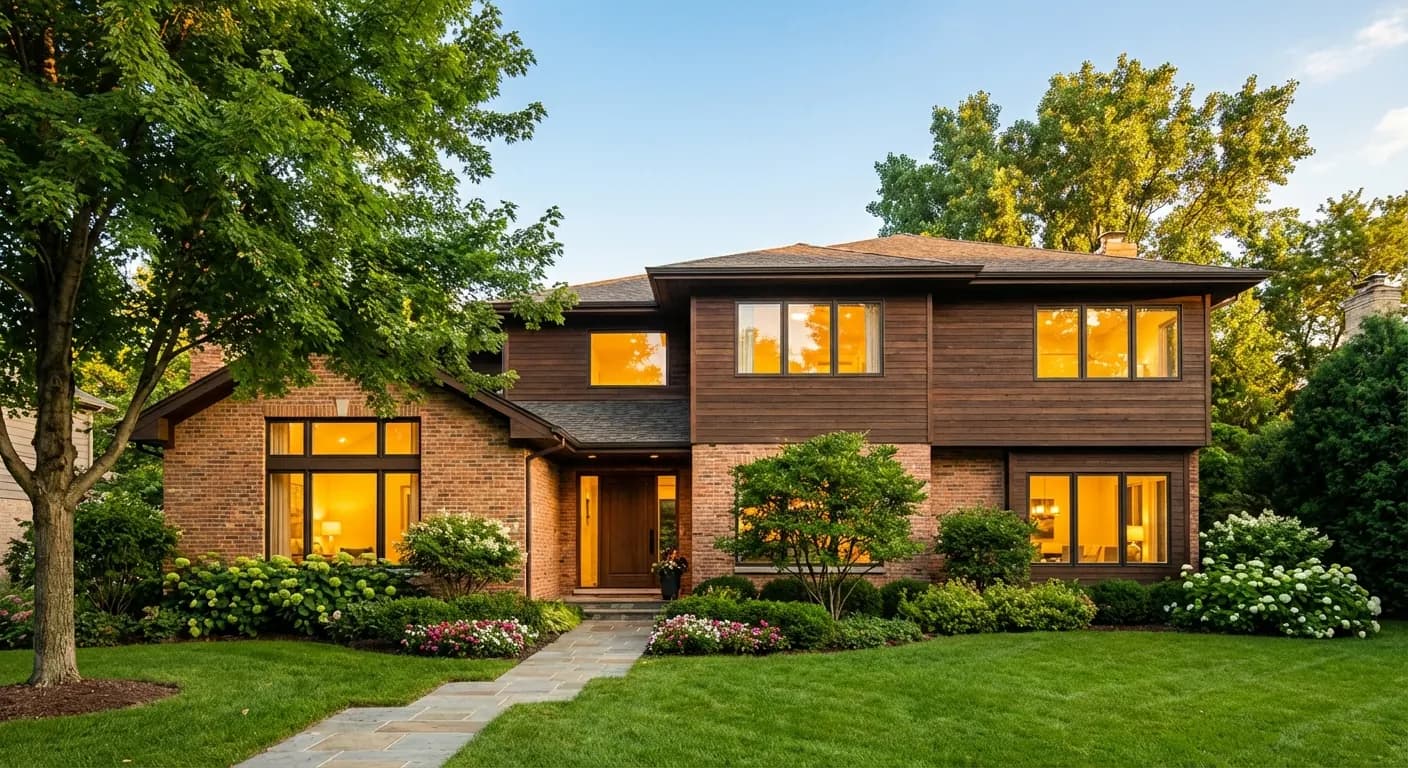
A front door can look substantial and still leave weak points at the frame, hinges, lock, or glass. For South Jersey homeowners, improving security means evaluating the complete entry assembly, not simply choosing a heavier door. Material, frame construction, locking hardware, and a precise fit all affect how the door performs.
Request your free South Jersey security door estimate from Cosello Construction. An expert can help you match the door, frame, hardware, and glazing to the actual risks at your entry.
Security doors south jersey homeowners choose typically use reinforced steel, fiberglass, or solid-core construction with stronger frames, strike plates, hinges, and locking systems than basic entry doors. The right option balances resistance to forced entry, weather performance, appearance, and budget, then depends on professional installation for reliable alignment and operation.
The differences become clearer when a security door is compared with a standard exterior door component by component. The following guide explains what qualifies as a security door, which materials and features matter. What installation may cost, and how to plan a South Jersey residential door project with Cosello Construction's residential door installation guide as a reference.
What Are Security Doors in South Jersey and How Do They Differ From Standard Doors?
Security doors in South Jersey are entry systems designed to make the door, frame, and locking points work together as a stronger barrier. A typical system may include a reinforced frame, heavy-gauge steel construction or a reinforced fiberglass core, and multi-point locking that secures the door at more than one location. For installation planning, see the South Jersey residential door installation guide.
What makes a door a security door?
The distinction is not based on appearance alone. A security door pairs a substantial door slab with a solid jamb, reinforced strike area, quality deadbolt or multi-point hardware, and hinges installed to resist tampering. The exact specification depends on the opening, material, swing direction, glazing, and the level of protection a property needs.
University of Wisconsin-Oshkosh police guidance recommends solid-core wood or metal exterior doors for high-level security. The same guidance says doors leading into a garage or from a garage into the home should be as secure as exterior doors. With a solid wood or metal core, quality deadbolt, and high-security strike plate. Review the UW-Oshkosh home security survey.
How does a standard residential entry door compare?
"Standard" describes a broad residential category, not a guarantee of weak construction. Entry doors commonly use wood, fiberglass, or steel, and each material offers different aesthetic, maintenance, and security characteristics, according to Tufts University Police. A basic door may rely on a single lock and a conventional frame. A security-focused upgrade addresses the complete entry assembly instead of changing only the slab.
Steel is recognized for durability and resistance to physical force, while fiberglass can provide durability, low maintenance, energy efficiency, and a wood-like appearance. That makes material selection a practical design decision, not simply a choice between appearance and protection.
Why should the frame and nearby doors matter?
A strong door cannot compensate for a weak frame or poorly anchored strike plate. Cosello Construction evaluates the jamb, hinges, threshold, and locking hardware as one system. The garage entry deserves the same attention as the front entry, particularly when it connects directly to living space. The goal is a properly fitted assembly that supports security, weather resistance, and dependable daily operation.
Types of Residential Security Doors for South Jersey Homes
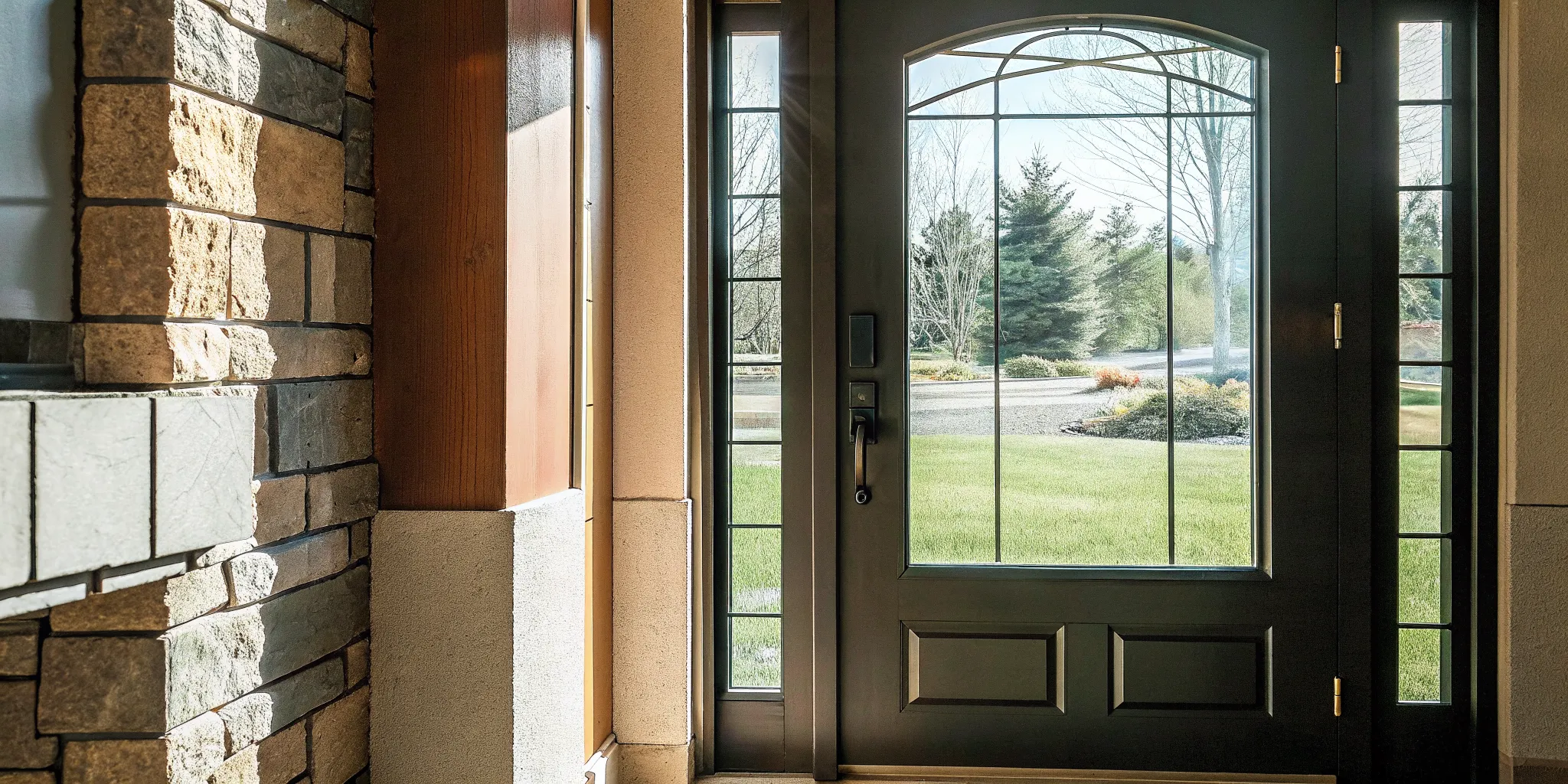
Material, glazing, and construction determine how a residential security door performs. South Jersey homeowners typically compare steel and fiberglass first, then select glass and locking options that fit the entry's exposure, appearance, and daily use. A professional assessment can match the door to the opening rather than treating every home the same.
Steel security doors prioritize force resistance
Steel is the conventional choice when physical resistance is the primary concern. Residential security doors are commonly available in 22- to 24-gauge steel, with the gauge, core, frame, hinges, and lockset working together as a system. Steel entry doors are recognized for durability and resistance to physical force, but a strong slab cannot compensate for a weak jamb or poorly fitted frame.
Steel can also be finished in multiple colors and profiles, so security does not require an industrial appearance. Cosello Construction can help homeowners compare steel entry options from established manufacturers, including Provia, based on the existing frame, threshold, weather exposure, and desired curb appeal.
Fiberglass balances efficiency, maintenance, and appearance
Fiberglass is a practical alternative where homeowners want durability without frequent refinishing. It provides a balance of low maintenance and energy efficiency while mimicking the appearance of real wood. A properly sealed fiberglass door can also help limit drafts, although the weatherstripping, threshold, frame, and installation quality matter as much as the slab.
Andersen and Provia are among the established manufacturers offering durable, security-focused door solutions. Product selection should still be based on the complete assembly and the home's specific opening, not the brand name alone.
Glazing options add light without leaving a weak point
Glass can make an entry brighter and more inviting, but glazing near the lock requires deliberate specification. The University of Wisconsin-Oshkosh Police Department's home security survey recommends break-resistant polycarbonate glazing when glass is within 40 inches of the lock. Modern designs can also use reinforced or impact-resistant glass in larger panes. These options should be matched to the door system and installation details rather than added as an afterthought.
| Factor | Steel | Fiberglass |
|---|---|---|
| Durability | High resistance to physical force; 22- to 24-gauge options are common. | Durable for daily residential use with less concern about routine refinishing. |
| Maintenance | Finish condition should be monitored and repaired when damaged. | Generally low maintenance and available in wood-look finishes. |
| Energy efficiency | Depends on the core, seals, frame, and installation. | Can provide efficient performance when properly sealed and installed. |
| Security | Strong force-resistance characteristics when paired with a sound frame and quality hardware. | Can provide dependable entry security as part of a properly specified system. |
| Curb appeal | Available in varied finishes and profiles, from modern to traditional. | Can reproduce the appearance of real wood with broad style flexibility. |
For help selecting security doors in South Jersey, consider the complete opening, not just the material. The frame, hinges, glazing, seals, and locking hardware should all support the security goal.
Sources: Tufts University Police home security guidance and the University of Wisconsin-Oshkosh Police Department safety survey.
Key Features to Look for in a Home Security Door
A security door works as a system. A strong slab cannot compensate for a weak strike area, loose jamb, exposed hinge pins, or glazing that gives someone access to the lock. When comparing residential doors, evaluate the complete entry assembly, including the hardware, frame, hinges, sightline, and installation quality.
Locks and Reinforced Hardware
Start at the lock edge. Look for a reinforced strike plate fastened with screws at least 3 inches long. Longer screws help anchor the strike into the wall framing instead of relying only on the thin jamb material. A reinforced strike plate and long mounting screws are essential parts of an effective security door system, according to the University of Wisconsin-Oshkosh Police Department's home security survey. Review the survey criteria for additional entry-point checks.
Choose a quality deadbolt with a hardened steel bolt, not a lightweight latch marketed as a substitute. For higher-security entries, a multipoint locking system engages the frame at more than one location, improving the door's structural connection when locked. The lock cylinder, strike, and frame must be compatible and aligned so the hardware operates smoothly without excessive force.
Solid Frames and Protected Hinges
The jamb is part of the security boundary. A solid, properly maintained frame supports the strike and keeps the door seated under load. A weak frame can negate the strength of a high-security door, so inspect the jamb, fasteners, and surrounding structure rather than judging the slab alone.
Outward-swinging doors require additional hinge protection. If hinge pins are exposed, specify non-removable pins so the door cannot be lifted off its frame by removing the pins. Correct installation matters here: the frame should be square, secure, and properly aligned with the hinges and latch.
Glazing and the Interior Sightline
Keep locks that can be opened from inside at least 40 inches from nearby glass. This spacing reduces the chance that broken glazing could provide direct access to the lock. If the design places glazing within that distance, break-resistant polycarbonate is a more security-conscious option.
For visibility without opening the door, choose a 180-degree wide-angle viewer. It gives occupants a broader view of the approach than a narrow viewer, while preserving a closed-door barrier. Ask the installer to evaluate the viewer, glass, frame, and lock placement together so convenience does not create an avoidable weak point.
Security Door Installation Cost in South Jersey
There is no reliable flat price for a security door installation because the project can range from a straightforward replacement to a customized entry upgrade. The door, frame, hardware, glazing, site conditions, and labor all affect the final estimate. A professional assessment is the dependable way to compare options without paying for features that do not address the entry point's actual risks.
Material, gauge, and glazing choices
Steel and fiberglass create different cost profiles. Steel generally offers strong resistance to physical force, while fiberglass provides durability, low maintenance, and an energy-efficient option that can resemble wood. Steel security doors are commonly available in 22- to 24-gauge thicknesses, and heavier construction can affect the material price. The right choice depends on the home's exposure, appearance, maintenance expectations, and security priorities.
Glazing can also change the scope. A door with a large pane, decorative glass, or glazing near the lock may require reinforced, impact-resistant, or break-resistant polycarbonate material. The University of Wisconsin Oshkosh Police Department recommends break-resistant polycarbonate when glazing is within 40 inches of the lock. Review the security survey guidance before selecting a glass configuration.
Hardware and frame modifications
Hardware costs depend on the lock type, deadbolt quality, multipoint mechanisms, strike plate, hinge protection, and finish. A reinforced strike plate with long mounting screws is an important part of the complete system, not an optional detail. If the existing frame or jamb is damaged, undersized, out of square, or incompatible with the new door, modifications or replacement may be needed. A strong door cannot compensate for a weak frame.
Before choosing a package, identify the vulnerability being addressed. Cosello Construction can help match hardware and construction to the entry point rather than adding expensive features without a clear purpose. That risk-based approach is consistent with guidance to select features that mitigate specific entry-point weaknesses.
Why installation labor affects the estimate
Labor includes removal, opening preparation, frame work, shimming, alignment, lock adjustment, weather sealing, and functional testing. Professional installation is critical for proper fit, alignment, and locking function. Installers square and shim the door so it operates correctly instead of binding, dragging, or leaving gaps. A precise installation protects the performance of the materials and hardware selected.
Materials, hardware, and labor are each separate line items on a security door estimate. A useful scope breaks the project into clear steps:
- Identify the vulnerability the new door must address, such as a weak frame, exposed hinge pins, or glazing near the lock.
- Choose the door material and gauge, balancing steel's force resistance with fiberglass's low maintenance and energy efficiency.
- Select the lockset, reinforced strike plate, hinge protection, and glazing based on the opening and entry-point risk.
- Confirm whether the existing frame and jamb can be reused or must be modified or replaced.
- Factor in removal, opening preparation, shimming, alignment, weather sealing, and functional testing as part of labor.
Clarifying each step before committing to a package helps avoid paying for features that do not address the actual weakness at the entry.
For a project-specific recommendation, request a free security door estimate from Cosello Construction. The evaluation can account for the existing frame, desired security features, glazing, and finish before a clear scope and price are prepared.
Why Professional Installation Protects Your Security Door Investment
A security door can only perform as well as the opening around it. Professional installation addresses the frame, jamb, threshold, hardware, and weather seal as one system. So the finished door closes smoothly, locks correctly, and remains dependable through daily use and changing South Jersey weather.
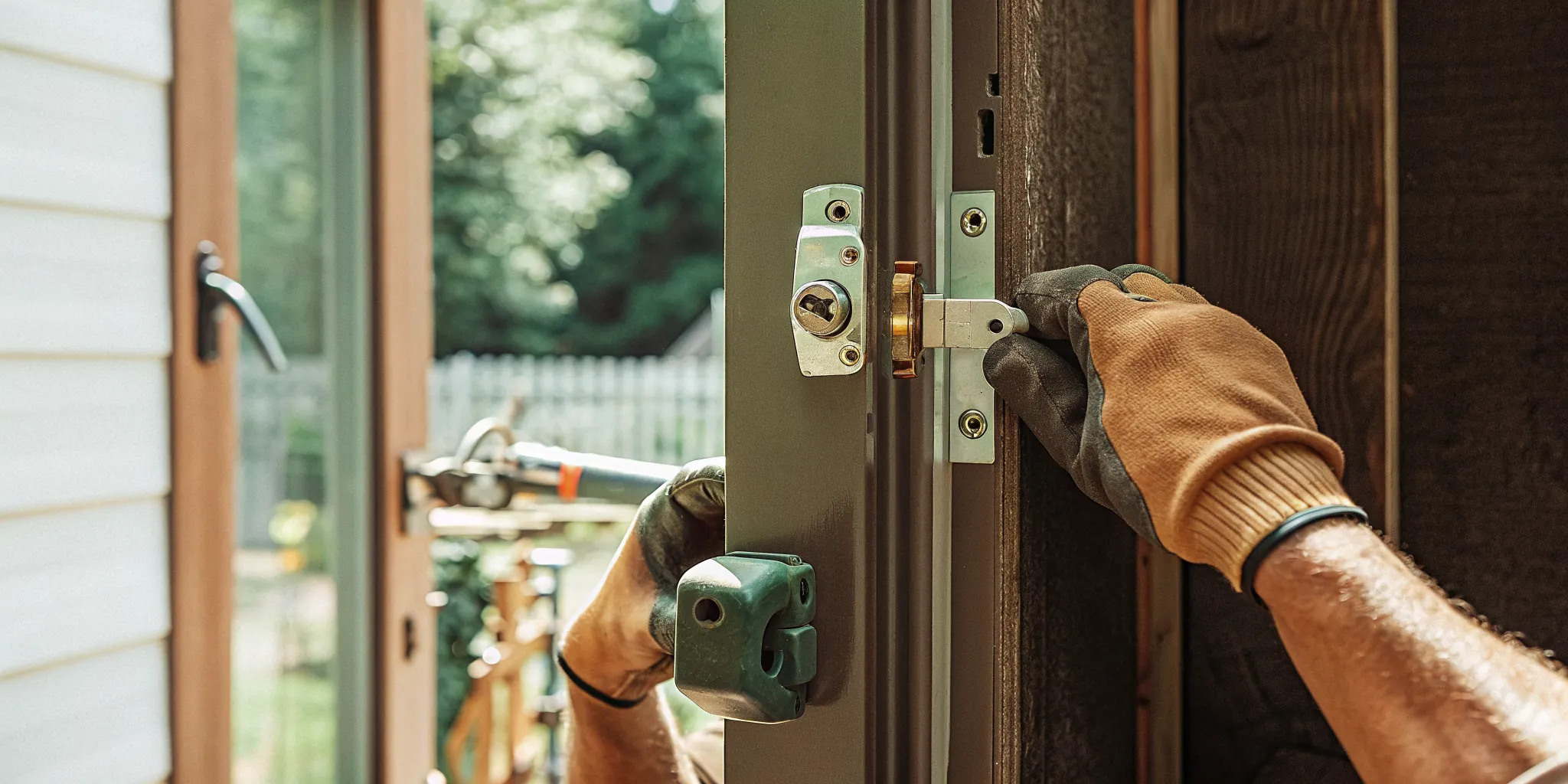
A strong door needs a properly reinforced frame
Choosing a heavy steel or reinforced security door is not enough if the jamb is weak, damaged, or poorly fastened. A vulnerable frame can negate the strength of the door itself. The University of Wisconsin-Oshkosh Police Department's home security survey identifies properly maintained door jambs as essential because a weak frame can undermine a high-security door. Review the door security guidance when evaluating an entry upgrade.
Cosello Construction's in-house technicians inspect the existing opening before installation and identify conditions that could affect security or operation. That assessment is especially important when replacing an older entry unit, repairing a deteriorated jamb, or matching a new door to the home's existing trim. Homeowners comparing options can also explore front-entry doors designed for a complete, properly fitted opening.
Squaring and shimming affect fit, alignment, and lock function
Professional installation is critical for proper fit, alignment, and locking-mechanism function. The opening must be checked for level, plumb, and square before the unit is secured. Careful shimming supports the frame at the right points without distorting it. If the frame is twisted or the door is allowed to sag, the latch and deadbolt may drag, fail to engage fully, or require excessive force.
This is more than a convenience issue. A door that does not close and lock consistently can leave a real weak point in the entry system. Doors leading into a garage, or from a garage into the home, should receive the same security attention as exterior doors. Including a solid or metal-core construction and quality locking hardware, according to the UW-Oshkosh survey.
Maintenance keeps the security system working
Installation is the beginning of ownership, not the end. Regularly check hinge pins, lock alignment, and weatherstripping. Loose hardware, a shifted strike, or compressed weatherstripping can affect both security and weather resistance. If a door rubs, sticks, or no longer seals correctly, professional door repair can address the issue before it develops into a larger opening or hardware problem.
With more than 20 years of experience, Andersen Certified Contractor status, in-house technicians. And a comprehensive 2-year labor warranty, Cosello Construction provides installation focused on lasting fit and function.
Get a free security door estimate from Cosello Construction today. The evaluation covers your existing frame, desired features, glazing, and finish before a clear project scope and price are prepared.
Frequently Asked Questions
What is the average cost to install a security door?
There is no single reliable average because the final price depends on the door material, frame condition, lockset, glass, finish, and installation requirements. A professional estimate should separate the door, hardware, labor, and any frame or jamb repairs so you can compare options accurately.
What is the difference between a safety door and a security door?
A safety door is designed primarily to reduce everyday hazards, such as accidental falls, while a security door is built to strengthen an entry point against forced entry. Security depends on the complete assembly, including the door slab, frame, hinges, strike plate, screws, glazing, and lock.
Are security doors effective for home protection?
They can improve resistance at a vulnerable entry point when the entire assembly is properly selected and installed. Solid frames, reinforced strike plates, long screws, quality deadbolts, and appropriately protected glass matter as much as the door itself. No door should be presented as an absolute guarantee against intrusion.
Can I install a security door on my own?
DIY installation may be possible for a simple replacement with a sound, square opening, but small alignment errors can affect latch engagement, lock operation, weatherstripping, and frame strength. Professional installation is the safer choice when the opening is out of square, the jamb is damaged, or upgraded hardware requires precise fitting.
Ready to Request a Security Door Estimate?
A properly selected and installed security door should fit the home, support reliable locking, and complement the entry without unnecessary complexity. For guidance specific to your South Jersey property, request a free security door estimate from Cosello Construction. Share your entry requirements and preferred features through the contact form so the installation plan can match the opening and your goals.