
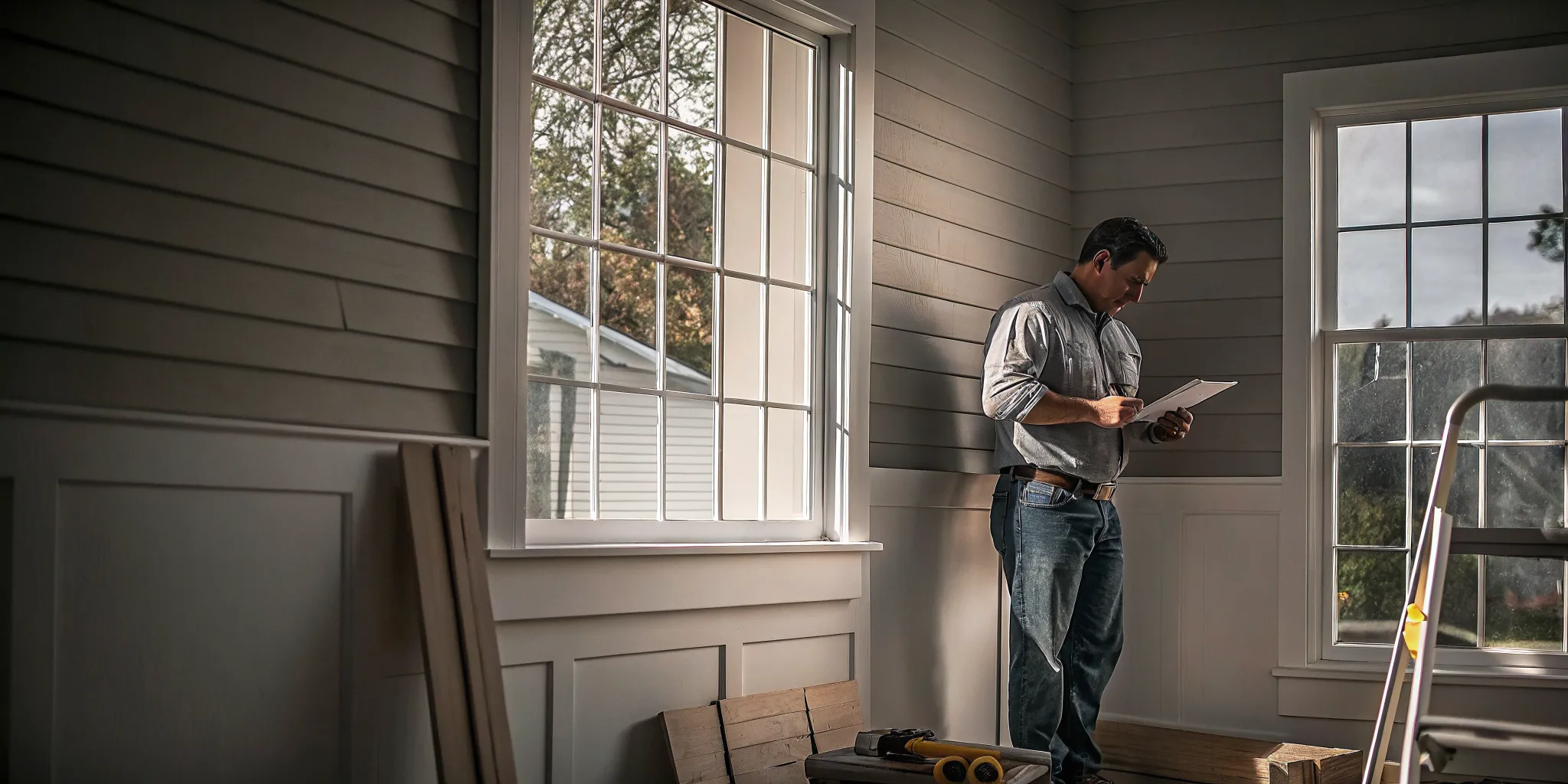
A window door installation labor warranty NJ homeowners can rely on is a written promise about qualifying workmanship problems during a stated period after installation. It is separate from the manufacturer's product warranty, and the signed contract controls the exact coverage, exclusions, and claim process.
Request a free South Jersey window or door estimate
In plain terms, a labor warranty addresses the quality of the installation. It can include a covered issue tied to how a window or door was fitted, secured, sealed, insulated, or adjusted. It does not automatically cover product defects, storm damage, misuse, or every future repair. Read the contractor's written warranty and product warranty together.
Cosello Construction is a family-owned window and door specialist serving New Jersey, Philadelphia, and the surrounding Tri-State area. The company has more than 20 years of experience, Andersen Certified Contractor status, and a 2-year labor warranty on all installations. This guide explains what that promise means, what to ask before signing, and how to report a concern after the crew leaves. For broader project planning, review the South Jersey window and door installation guide.
How a window door installation labor warranty in NJ works
A labor warranty is an installer's written commitment to address qualifying defects connected to the work performed. The coverage period may begin at installation, substantial completion, final payment, or another date stated in the agreement. Because contracts vary, do not rely on the phrase "2-year warranty" alone. Confirm the start date, covered work, exclusions, notice requirements, inspection process, and available remedy.
Installation is part of a window or door system. A well-made unit can still operate poorly if it is out of square, inadequately fastened, improperly insulated, or incorrectly sealed. An entry door can also develop fit or operation concerns when the opening, threshold, hinges, lockset, or weather seal is not handled correctly. A labor warranty gives the homeowner a defined point of contact when a concern appears related to that work.
What the written terms should identify
- The exact length of the labor or workmanship coverage.
- When the coverage period starts and whether it transfers to a future owner.
- Which installation tasks and assemblies fall within the scope.
- How to report a concern, including contact method and notice deadlines.
- Whether an inspection is required before another party performs repairs.
- What remedy is available if covered workmanship is confirmed.
Ask for these answers in the proposal or contract. A sales conversation can explain the warranty, but the written agreement is the practical record to keep after the project is complete. Save the signed contract, change orders, invoices, product information, completion date, and service messages in one place.
What does Cosello Construction's 2-year labor warranty cover?
Cosello Construction provides a 2-year labor warranty on all installations. It is best understood as workmanship coverage, not a blanket promise to repair every component or type of damage. If a concern appears to relate to the installation process, the homeowner can report it for evaluation under the written warranty terms.
Examples to discuss with the installer may include a unit that is not operating as expected because of installation alignment. The installer may also review a fit problem or sealing work that does not perform as intended. These examples are not automatic coverage decisions. The project documents and an inspection determine whether a particular issue qualifies.

Why installation records matter
When a concern appears, describe the symptom rather than declaring its cause. Note which opening is affected, when you first noticed the issue, and whether it changes with weather or use. Photographs can help show the condition, but they do not replace an inspection.
Keep the following records available:
- The signed scope of work and any approved changes.
- Product names, model information, and manufacturer warranty documents.
- Installation and completion dates.
- Photos of the opening and the reported concern.
- Copies of every service request and response.
Cosello's residential door installation information and window replacement service information can help homeowners identify the kind of project being discussed. The warranty itself still controls the claim.
What is not covered by a labor warranty?
A labor warranty generally addresses workmanship connected to the installation. It is not usually a blanket promise to repair every problem that affects a window or door later. The following categories are common questions, but the signed contract and warranty terms control the actual exclusions.
Storm, impact, and other outside damage
Hail, wind-driven debris, falling branches, flooding, vandalism, moving damage, and accidental impact can affect glass, frames, trim, flashing, and hardware after installation. Those events do not by themselves show an installation defect. A property-insurance policy or another remedy may apply instead, depending on the event and policy terms.
Misuse, neglect, and unauthorized changes
Force, improper cleaning, neglected maintenance, and operation outside the manufacturer's instructions can affect coverage. Altering locks, adding hardware, removing components, or changing the opening without the installer's approval can also make responsibility harder to determine. Ask the installer before another party modifies the unit or surrounding wall.
Work performed by another contractor
Later siding, roofing, masonry, insulation, trim, electrical, or framing work can change drainage paths, clearances, and the way a unit meets the building. If another contractor changes the opening and a leak or operation problem follows, the original labor warranty may not cover the resulting condition. Keep records of later work and identify who performed it.
Product defects and normal wear
Glass defects, failed insulated-glass seals, finish problems, and defective hardware may fall under the manufacturer's product warranty. Normal aging and routine maintenance are not automatically installation defects. The product warranty may have different registration, transfer, and claim requirements, so keep it with the installation warranty.
New Jersey Division of Consumer Affairs guidance recommends getting a written contract that identifies what you are paying for and includes the terms and conditions. Review the state's consumer guidance before signing, and ask for unclear warranty language to be explained in writing.
How does a labor warranty differ from a manufacturer warranty?
Both warranties can relate to the same window or door, but they protect different responsibilities. The installer labor warranty addresses the quality of the installation. The manufacturer warranty addresses eligible defects in the manufactured unit or covered components. One warranty does not automatically replace the other.
| Question | Labor or workmanship warranty | Manufacturer product warranty |
|---|---|---|
| What does it address? | Qualifying concerns connected to how the window or door was fitted, secured, sealed, insulated, adjusted, or installed. | Eligible defects in the manufactured unit or covered components, according to the manufacturer's terms. |
| Who evaluates it? | The installer reviews the work and determines whether the reported condition relates to covered workmanship. | The manufacturer or its authorized warranty channel determines product eligibility. |
| What should you check? | Term, start date, covered tasks, exclusions, notice process, inspection, and remedy. | Covered parts, glass provisions, registration, transfer rules, exclusions, and claim process. |
When a concern appears to overlap
Suppose a window allows air or water to pass through, or a door does not close as expected. The cause could be a product defect, an installation issue, building movement, weather damage, or another condition. Document the symptom and contact the installer through the process in the contract before authorizing repairs. An inspection can help determine whether the labor warranty, product warranty, insurance, or another remedy is the right path.
A simple record can prevent a small concern from becoming a confusing dispute. Write down the opening involved, the date you noticed the symptom, and what was happening when it appeared. Include close photographs and a wider view that shows the surrounding trim or wall. Do not remove sealant, change hardware, or schedule a third-party repair before the installer has had a chance to review the condition under the agreement.
Do not mix components from different manufacturers or ask another party to alter a rated or warranted assembly without first checking the applicable instructions and written terms. Keeping the full project record makes it easier for the responsible party to evaluate the concern.
How should New Jersey homeowners review warranty terms?
Read the warranty before work begins, not after a problem appears. A careful review helps you compare contractors on more than a headline number of years. It also gives you a clear record of who handles a concern and what information that person needs.
- Identify the covered work. Confirm whether the warranty applies to the full installation or only listed tasks. Ask how the terms treat fit, fastening, sealing, trim, and related work.
- Record the term and start date. Confirm when the stated period begins and whether payment, completion, registration, or maintenance affects coverage.
- Understand the claim process. Ask whom to contact, what photos or documents are needed, whether notice has a deadline, and whether an inspection must happen before repairs.
- Read exclusions carefully. Ask about storms, impact, misuse, alterations, normal wear, maintenance, and work by another contractor.
- Keep both warranties. Store the labor warranty, product warranty, invoice, model information, and completion records together.
- Verify the contractor. Review the company's experience, service area, written scope, references, and consumer information relevant to your project.
Cosello's South Jersey replacement guide provides additional project context. It is still important to ask project-specific warranty questions before signing.
Choosing a contractor with a window door installation labor warranty in NJ
A two-year term is useful only when the installation process and follow-up responsibilities are clear. When comparing a contractor, ask what is covered, how concerns are documented, and who evaluates a reported condition. A written warranty should support a broader review of experience, product knowledge, communication, and service area.
Experience supports accountability
Cosello Construction was founded in 2003 and is family-owned and operated. The company focuses on residential and commercial window and door work. It identifies as an Andersen Certified Contractor. Those facts do not change the written warranty or guarantee a particular outcome, but they give homeowners concrete questions to ask about the proposed installation. Learn more on the Cosello Construction company page.
Local service makes the process practical
For homeowners in South Jersey and nearby areas, a local installation team can make it easier to communicate about the project and request an evaluation if a concern appears. Ask how the completion date is recorded, how warranty requests are submitted, and what documentation the team expects. You can compare the scope against Cosello's window replacement service page when planning a broader project.
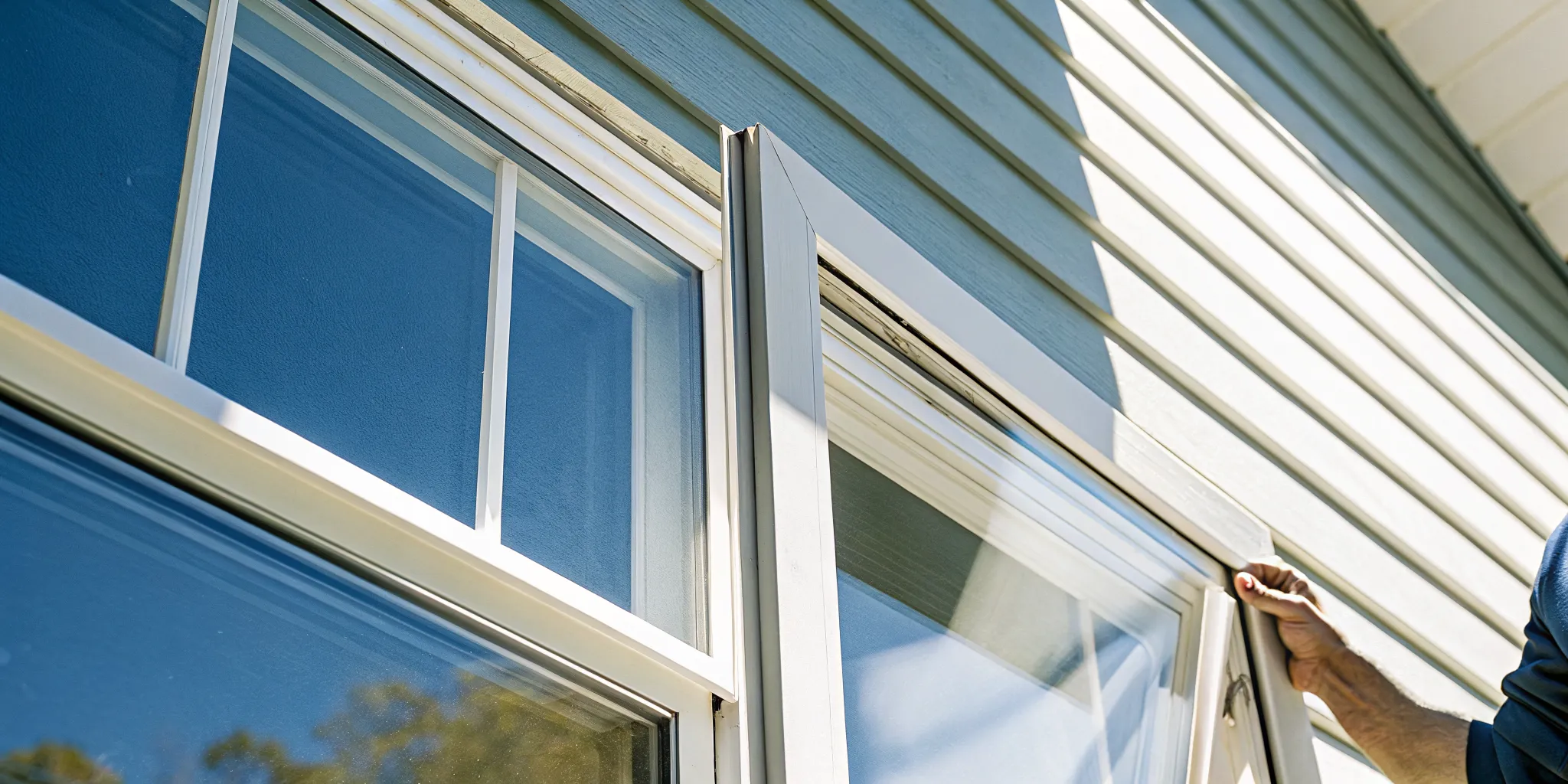
Get a free estimate and ask about written warranty terms
Frequently Asked Questions
What is covered under a 2-year labor warranty for window installation?
A labor warranty generally covers qualifying defects tied to installation workmanship, such as fit, operation, fastening, sealing, or adjustment when the written terms include that work. The contract controls the exact coverage and remedy.
Are door installation labor warranties different from window warranties in NJ?
The basic distinction is usually the same. The installer warranty addresses workmanship, while the manufacturer warranty addresses eligible product defects. Read the terms for the specific door, window, and installation contract.
Does a labor warranty cover damage caused by a storm or accident?
Storm damage, accidental impact, vandalism, and other outside events are generally treated separately from installation workmanship. Check the written exclusions and contact the installer before arranging repairs if the cause is unclear.
How do I make a labor warranty claim in New Jersey?
Find the contract and warranty documents, photograph the condition, record when it began, and contact the installer using the listed method. Ask whether an inspection is required and keep copies of your request and the response.
Does the manufacturer's warranty overlap with the installer's labor warranty?
It can, but the responsibilities remain separate. The manufacturer typically evaluates eligible product defects, while the installer evaluates installation workmanship. Report the concern to the installer if the cause may involve fit, sealing, adjustment, or other installation work.
Contact Cosello Construction about your installation warranty
Clear written terms make it easier to know whom to contact when a window or door concern appears. If you are planning a New Jersey installation or replacement, contact Cosello Construction through the project inquiry form to discuss your scope, timeline, and warranty questions.