
A storefront door that sticks, drags, leaks air, or no longer locks cleanly is more than a daily annoyance. For a Philadelphia retail shop, South Jersey office, restaurant, medical suite, or mixed-use building, the entrance affects customer confidence, accessibility, security, energy performance, and how smoothly the business operates every day.
This guide explains when commercial storefront door replacement in Philadelphia makes sense, how to think about ADA access and security, what aluminum and glass door options are available, and what timeline business owners should expect from an experienced commercial door contractor.
When Should a Business Replace a Storefront Door?
Some storefront door problems can be solved with adjustment or hardware repair. Others point to a door system that is worn out, out of alignment, or no longer appropriate for the building. The key is knowing which issues are minor and which ones create safety, access, or business continuity risks.
Common signs your storefront door may need replacement include:
- Difficulty opening or closing: A door that scrapes the floor, rubs the frame, swings unevenly, or requires extra force may have worn pivots, frame damage, or settlement-related alignment issues.
- Recurring lock or latch problems: If the deadbolt, latch, panic hardware, or access control hardware no longer lines up reliably, the entry may not secure the business properly after hours.
- Cracked, loose, or damaged glass: Storefront glass damage can create a safety concern, hurt curb appeal, and weaken the security of the entrance.
- Frame corrosion or impact damage: Bent aluminum framing, separated joints, or visible gaps around the system can make repair less cost-effective than replacement.
- Drafts, water intrusion, or poor sealing: Air and water leaks are signs that weatherstripping, thresholds, glass seals, or the frame system may no longer be performing.
- Outdated appearance: A scratched, faded, or visibly aged storefront can make a business look less professional before customers even walk inside.
- Accessibility concerns: If customers struggle with the door, if maneuvering space is tight, or if hardware is difficult to operate, it may be time to evaluate ADA-friendly upgrades.
If the same door has been repaired several times and the problem keeps returning, replacement may be the better investment. A new storefront door system can improve security, reduce maintenance calls, and create a cleaner first impression.
Repair or Replacement: How to Decide
The right answer depends on the condition of the full entry system, not just the door leaf. A commercial door contractor should inspect the door, frame, threshold, closer, pivots, hinges, glass, lockset, weatherstripping, and surrounding storefront framing before recommending a solution.
Commercial door repair may be enough when the frame is sound and the problem is limited to worn hardware, closer adjustment, weatherstripping, or a minor alignment issue. Replacement becomes more practical when the frame is bent, the door has structural damage, glass is repeatedly failing, the entrance no longer supports the business's security needs, or the door does not meet current accessibility expectations.
For a busy commercial property, the decision also includes downtime. If a repair is only a short-term fix, repeated service visits can disrupt staff and customers. Replacing the system once may be less disruptive than trying to keep an aging entrance alive through another season of heavy use.
ADA and Accessibility Considerations for Storefront Doors
Public-facing businesses need entrances that welcome customers safely and consistently. ADA requirements can be technical, but the practical goal is simple: people using wheelchairs, walkers, strollers, delivery carts, or mobility aids should be able to approach, open, pass through, and clear the door without unnecessary barriers.
The U.S. Access Board explains that accessible doors and gates on accessible routes must provide proper passage, maneuvering clearance, and operable hardware. The ADA guidance also notes that many doors require hardware that can be used with one hand without tight grasping, pinching, or twisting of the wrist, and that accessible entrances must not be blocked by security devices or other obstacles.
For storefront door replacement, accessibility planning often includes:
- Clear opening width and usable passage through the doorway
- Door opening force and closer speed
- Threshold height and trip resistance
- Maneuvering clearance on both sides of the door
- Pulls, handles, panic hardware, or access controls that are easy to operate
- Automatic door operators where they make sense for high-traffic or accessibility-sensitive entrances
Because code and accessibility details depend on the building, use, and existing conditions, it is important to work with a contractor that understands commercial door installation and can coordinate the door system with the surrounding entrance.
Security Upgrades That Matter for Philadelphia-Area Businesses
A storefront door has to look inviting during business hours and protect the property after closing. In urban corridors, shopping centers, medical offices, restaurants, and mixed-use buildings, security is often one of the main reasons owners decide to replace an older door.
Security-focused storefront door options may include:
- Heavy-duty aluminum framing: Commercial-grade framing helps the door withstand frequent use and resist everyday wear.
- Tempered or laminated safety glass: Glass selection affects safety, security, visibility, and performance.
- Improved locking hardware: Modern locksets, deadbolts, latch guards, and access control preparation can improve after-hours protection.
- Reliable closers: A door that closes and latches consistently is essential for both security and energy control.
- Better threshold and weather seals: Proper sealing helps reduce drafts, water intrusion, and gaps that can compromise performance.
Security does not have to make the entrance feel closed off. The right aluminum and glass storefront system can preserve visibility, natural light, and curb appeal while improving the strength and reliability of the entry.
Glass and Aluminum Storefront Door Options
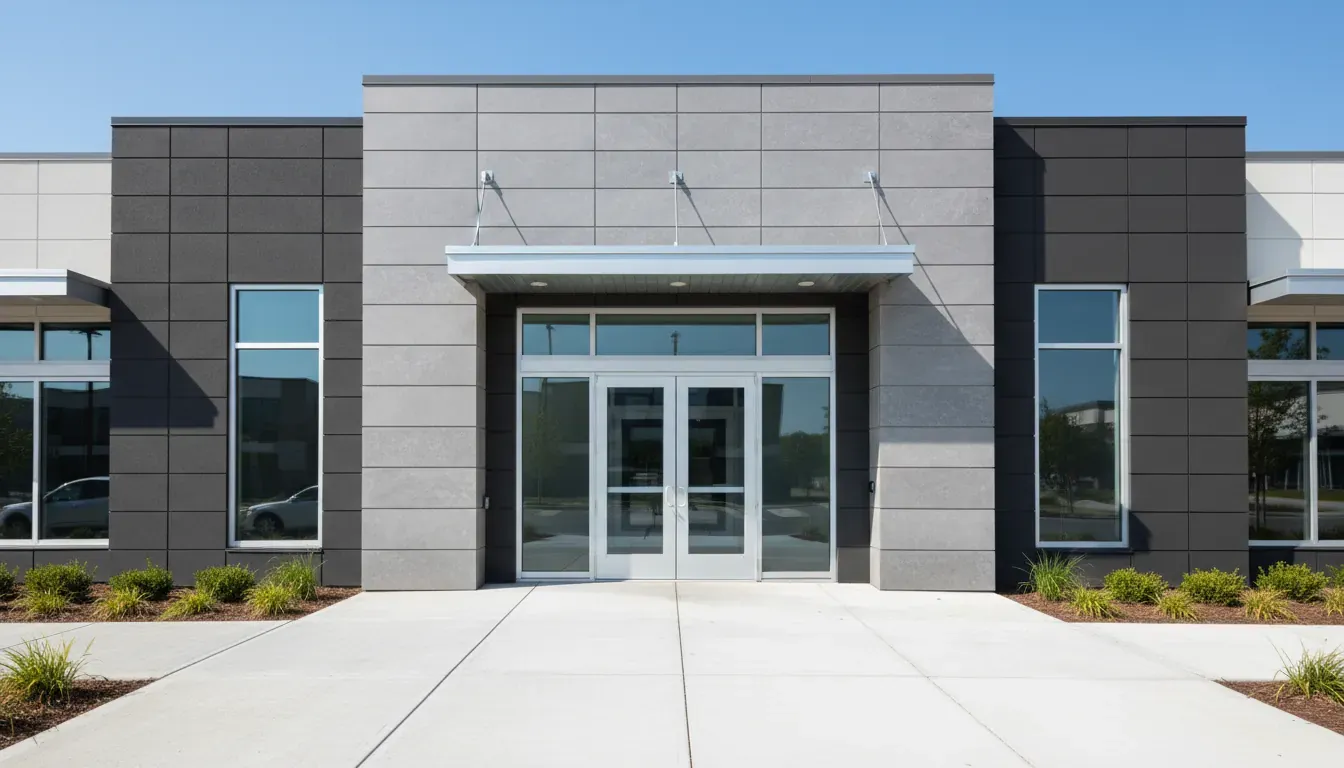
Most modern storefront entrances use aluminum framing with glass panels because the combination is durable, clean-looking, and well suited for high-traffic commercial spaces. It also allows the entrance to match adjacent storefront windows, sidelites, and transoms.
Common options include:
- Single aluminum glass doors: A practical choice for small offices, service businesses, and retail suites with one main entry.
- Paired storefront doors: Double doors improve traffic flow and make it easier to move merchandise, equipment, and deliveries in and out.
- Full-lite glass doors: These maximize visibility and natural light, which is valuable for retail and customer-facing businesses.
- Medium-stile or wide-stile aluminum doors: Wider rails and stiles can support heavier hardware and create a stronger visual frame.
- Thermal or improved glass packages: Energy-conscious businesses may consider glass and framing options that help reduce heat transfer.
- Storefront door and window systems: When the surrounding storefront is also outdated, a coordinated storefront doors and windows upgrade can create a more complete improvement.
The right choice depends on traffic volume, hours of operation, exposure to weather, security needs, budget, and the image the business wants to present. A contractor should help balance appearance with practical performance.
What Is the Storefront Door Replacement Timeline?
Every project is different, but most commercial storefront door replacement projects follow a predictable sequence. Understanding the process helps business owners plan around customer traffic, staff schedules, and building access.
- Site visit and measurement: The contractor inspects the existing door system, confirms dimensions, reviews frame conditions, and discusses hardware, glass, and access needs.
- Recommendation and quote: The business receives a replacement plan based on the entrance condition, performance goals, and any code or accessibility considerations.
- Product ordering: The correct door, frame components, glass, and hardware are ordered or prepared for installation.
- Scheduling: Installation is planned around business hours whenever possible to reduce disruption.
- Removal and installation: The old door system is removed, the new door is set, hardware is installed, and the entrance is adjusted for smooth operation.
- Final check: The contractor verifies swing, closer speed, latch alignment, lock function, weather sealing, and general finish quality.
Cosello Construction is known for efficient project completion, often completing projects within two weeks depending on product availability, project scope, and site conditions. For urgent issues, such as a door that will not lock or close, business owners should ask whether a temporary repair is needed while replacement materials are prepared.
How Storefront Door Installation in NJ Differs From Philadelphia Projects
Many Philadelphia-area businesses also operate across the river in Camden County, Burlington County, Gloucester County, and other South Jersey markets. The core installation principles are similar, but local conditions can vary by municipality, building type, and property ownership structure.
For storefront door installation NJ, contractors may need to coordinate with property managers, shopping center rules, local inspection requirements, landlord approvals, or brand standards for multi-location businesses. In Philadelphia, older buildings may present different challenges, including uneven openings, legacy storefront framing, historic facade considerations, tight sidewalks, and limited staging space.
Cosello Construction serves both sides of the Delaware River, including Philadelphia window and door installation, Cherry Hill window and door services, and broader South Jersey window and door services. That regional experience matters when a business needs one contractor who understands commercial entrances in both Pennsylvania and New Jersey.
Why Choose an Experienced Commercial Door Contractor?
A storefront door is not just a slab in an opening. It is a complete system that includes framing, glass, hardware, thresholds, closers, seals, locks, and the surrounding building conditions. If any part is selected or installed poorly, the door may drag, leak, fail to latch, or wear out sooner than expected.
An experienced commercial door contractor can help with:
- Correct field measurement and product selection
- Commercial-grade hardware recommendations
- ADA and accessibility planning
- Security and after-hours locking needs
- Coordination with storefront windows and adjacent framing
- Scheduling that reduces disruption to business operations
- Cleaner installation and better long-term performance
Cosello Construction has served the tri-state area since 2003 as a family-owned company specializing in windows and doors. The company works with residential and commercial customers, offers commercial door installation and repair, and backs its workmanship with a 2-year labor warranty. For businesses, that specialization is important because storefront entrances need to perform under daily traffic, not just look good on installation day.
Commercial Storefront Door Replacement Checklist
Before you request quotes, take a few minutes to document what is happening at the entrance. This will help the contractor understand the issue and recommend the right solution.
| What to Check | Why It Matters |
|---|---|
| Door swing and alignment | Dragging, rubbing, or uneven gaps may indicate frame or hardware problems. |
| Lock and latch function | A door that does not latch reliably can create a security risk. |
| Glass condition | Cracks, chips, or loose glass can affect safety and curb appeal. |
| Weather sealing | Drafts and leaks can raise comfort issues and energy costs. |
| Customer accessibility | Hard-to-open doors or awkward thresholds can create barriers for customers. |
| Business schedule | Installation planning should account for peak hours, deliveries, and staff access. |
Frequently Asked Questions
How do I know if my storefront door needs replacement instead of repair?
Replacement is usually worth considering when the frame is damaged, the door repeatedly falls out of alignment, the lock will not work reliably, the glass or framing is compromised, or the entrance no longer supports accessibility and security needs. If the issue is limited to hardware or adjustment, repair may be enough.
Can a storefront door be replaced without closing the business for a full day?
In many cases, yes. A contractor can often schedule work during slower hours, before opening, or in phases depending on the scope. The exact timeline depends on the door system, site conditions, and whether surrounding storefront framing or glass also needs work.
What type of storefront door is best for a retail business?
Aluminum-framed glass doors are a common choice for retail businesses because they provide visibility, durability, and a professional appearance. The best configuration depends on traffic volume, security requirements, glass preferences, and whether the entrance uses a single door or paired doors.
Does Cosello Construction install storefront doors in both Philadelphia and New Jersey?
Yes. Cosello Construction serves Philadelphia, South Jersey, and the tri-state area with commercial door installation, storefront door replacement, door repair, and related window and door services.
Ready to Upgrade Your Storefront Entrance?
A reliable storefront door helps customers enter safely, protects the business after hours, improves curb appeal, and reduces the frustration of constant door problems. If your entrance is sticking, leaking, damaged, outdated, or difficult for customers to use, now is the time to have it evaluated.
Cosello Construction provides commercial storefront door replacement, commercial door installation, and door repair for businesses in Philadelphia, South Jersey, and nearby tri-state communities. Contact the team today to schedule a consultation and get a practical recommendation for your building.