
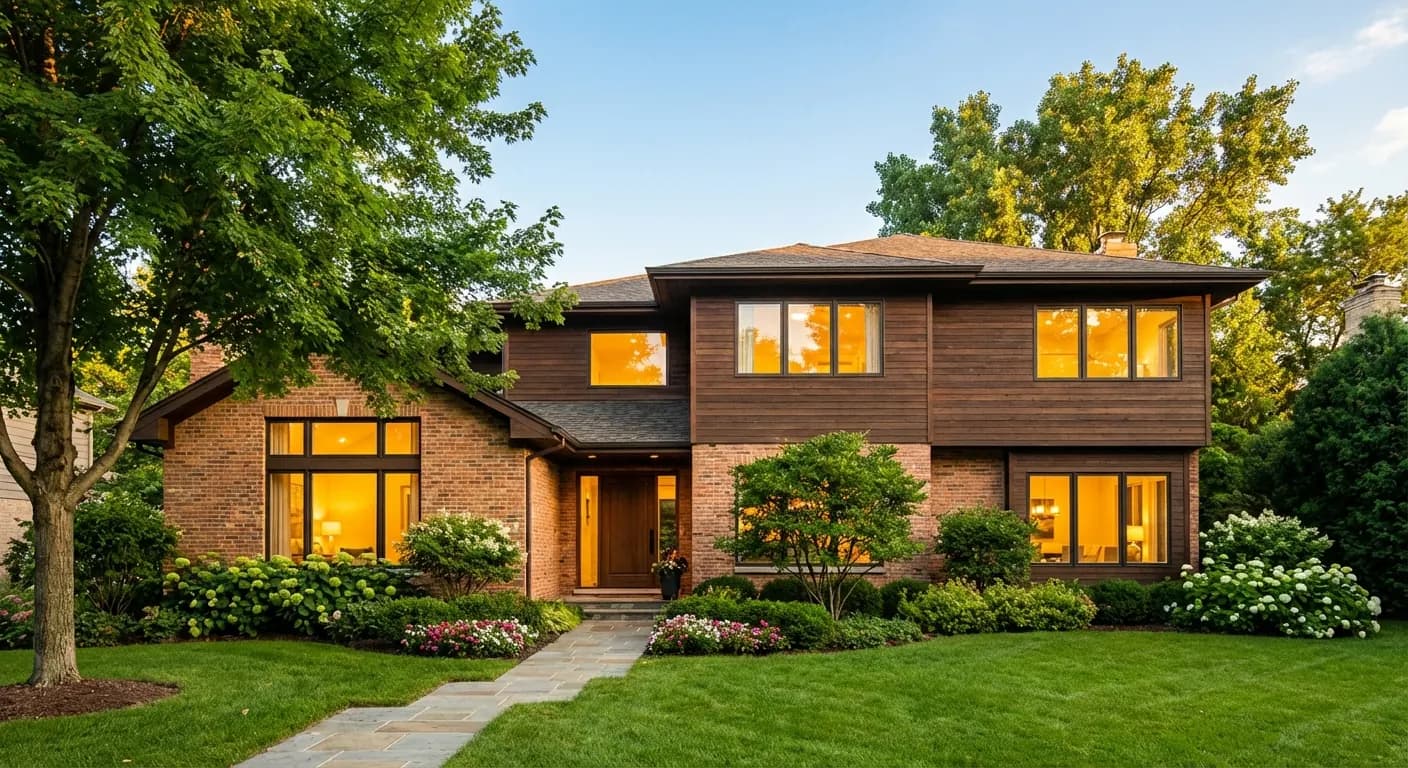
Wood vs. Vinyl Replacement Windows for South Jersey Homes
Choosing between wood vs vinyl replacement windows in South Jersey comes down to how you balance budget, curb appeal, upkeep, energy performance, and the style of your home. Vinyl is often the practical, lower-maintenance choice. Wood is often the premium choice for warmth, character, and architectural detail. The right answer depends on the rooms you are replacing, the age of your home, and how much maintenance you want to take on over time.
Request a free window replacement quote from Cosello Construction.
Cosello Construction helps homeowners across South Jersey, Philadelphia, Delaware, and the surrounding Tri-State area compare window materials before they commit. As an Andersen Certified Contractor with more than 20 years of window and door experience, our team can explain when wood windows make sense, when vinyl windows are the better value, and when an Andersen option gives you the best mix of appearance and performance.
Quick Answer: Should South Jersey Homeowners Choose Wood or Vinyl Windows?
Vinyl replacement windows are usually best when you want a cost-conscious window with strong efficiency, simple cleaning, and very little exterior maintenance. Wood replacement windows are usually best when you want a high-end interior look, historic or traditional character, custom stain or paint options, and long-term value in a home where appearance matters as much as performance.
For many South Jersey homes, the best plan is not one material everywhere. A front-facing living room, dining room, historic elevation, or custom architectural area may justify wood. Bedrooms, rental units, rear elevations, finished basements, and high-moisture areas may be better candidates for vinyl or composite materials. A professional window replacement consultation helps you decide by opening, not just by product brochure.
Wood vs. Vinyl Windows: Side-by-Side Comparison
| Factor | Wood Replacement Windows | Vinyl Replacement Windows | | --- | --- | --- | | Typical budget fit | Higher upfront investment | Lower to mid-range upfront investment | | Maintenance | Needs periodic inspection, paint or stain care, and moisture protection | Low maintenance, usually cleaned with basic household care | | Energy efficiency | Strong natural insulation when properly built and installed | Strong efficiency with insulated frames, quality glass, and tight installation | | Style and curb appeal | Premium look, authentic wood grain, excellent for traditional homes | Clean, simple appearance with fewer finish options | | Durability in South Jersey weather | Long lasting when protected from moisture and maintained | Resists rot, peeling, and many moisture issues | | Best use cases | Historic homes, custom interiors, front elevations, premium remodels | Whole-home replacements, budget-focused projects, low-maintenance homes |
Cost: Vinyl Usually Costs Less Upfront
If upfront price is the main deciding factor, vinyl replacement windows often have the advantage. Vinyl windows are designed for efficient manufacturing, simple upkeep, and broad use across many home styles. That can make them a practical choice for homeowners replacing several windows at once or trying to improve comfort without turning the project into a luxury remodel.
Wood windows usually cost more because the material, craftsmanship, finish options, and installation details are more involved. The higher cost can be worth it in homes where architectural appearance is important. A South Jersey Colonial, Victorian, Cape Cod, farmhouse, or older home with visible interior trim may lose some character if every opening is converted to a flat-looking product that does not match the style of the house.
The real budget question is not only, "Which window is cheaper?" It is, "Where should I spend more, and where can I choose value?" A blended approach can work well. You may choose wood or Andersen products for the most visible rooms and vinyl windows for less visible areas where low maintenance and cost control matter more.
Maintenance: Vinyl Is Easier, Wood Needs More Care
Maintenance is one of the clearest differences between wood and vinyl windows. Vinyl does not need to be painted or stained. It resists rot, and it is not as sensitive to humidity as exposed wood. For busy homeowners, rental properties, shore-area homes, and second-story windows that are hard to reach, that lower maintenance requirement can be a major benefit.
Wood windows need more attention. They should be checked for peeling paint, failed caulk, worn finish, moisture exposure, and signs of soft wood around the sash or frame. That does not mean wood is a bad choice. It means wood should be chosen with a realistic maintenance plan. Modern wood window installation can include protective exterior cladding, advanced glazing, and manufacturer details that help reduce exposure while keeping the warmth of wood inside the home.
South Jersey weather makes this decision more important. Humid summers, wet springs, freeze-thaw cycles, and coastal air in some communities can punish neglected exterior materials. If you want the look of wood but do not want constant exterior maintenance, ask about clad wood, fiberglass, or Andersen options that protect the exterior while preserving a more refined interior appearance.
Energy Efficiency: Installation Matters as Much as Material
Both wood and vinyl windows can be energy efficient when they are built well and installed correctly. Wood is a natural insulator, which helps reduce heat transfer. Vinyl frames can also perform well when they include insulated chambers, quality weatherstripping, Low-E glass, and proper sealing around the opening.
For South Jersey homeowners, the biggest efficiency gains often come from replacing old single-pane windows, failed double-pane glass, drafty sashes, and poorly sealed frames. If air is leaking around the opening, even an expensive window will not perform the way it should. Measurement, flashing, insulation, and exterior sealing are just as important as the frame material.
Cosello Construction installs energy-efficient windows from Andersen and other premium brands, with attention to the surrounding opening. The goal is not just a new window. It is a tighter, more comfortable home with fewer drafts, better temperature control, and a cleaner finished appearance.
Explore residential window options for your South Jersey home.
Durability: Which Window Material Handles South Jersey Weather Better?
Vinyl is popular because it handles moisture well. It does not rot, and it does not need repainting after heavy sun exposure or wet weather. That makes it a practical option for many replacement projects, especially when the homeowner wants dependable performance without ongoing finish work.
Wood can also be extremely durable, but it depends on product quality, exterior protection, and maintenance. Properly protected wood windows can last for decades. Poorly maintained wood windows can absorb moisture, swell, peel, or decay. This is why installation details matter. The window must be flashed, insulated, and sealed correctly so water is directed away from vulnerable materials.
If your existing windows failed because of leaks, soft trim, or rot, do not choose a new product until the opening has been inspected. Replacing a damaged window without addressing surrounding moisture problems can lead to the same issue again. A qualified installer should look at the sill, casing, exterior cladding, insulation gaps, and wall condition before recommending wood, vinyl, or another material.
Curb Appeal: Wood Wins for Character, Vinyl Wins for Simplicity
Wood windows are hard to beat when the goal is warmth, detail, and a custom look. Real wood grain, stain options, paint flexibility, and traditional profiles can make a room feel finished in a way that basic vinyl may not. This is especially important in older South Jersey homes where the windows are part of the architecture, not just a functional opening.
Vinyl windows have improved over the years, and many styles now look clean and attractive from the street. They are often a good match for homes where the exterior is already low-maintenance, such as vinyl siding, newer construction, or a straightforward whole-home replacement. The tradeoff is that color and profile choices may be more limited compared with wood or premium product lines.
Think about visibility before you decide. Windows on the front of the home, around a porch, in a dining room, or near detailed trim may deserve a more premium product. Windows on less visible sides of the house may not need the same investment. The best replacement plan supports curb appeal without overspending where the difference will not be noticed.
When Should You Choose Wood Replacement Windows?
Choose wood replacement windows when appearance, customization, and architectural fit are high priorities. Wood is often the right choice for historic homes, traditional homes, custom remodels, and rooms where the interior finish matters. If you want stained trim, painted interiors, authentic warmth, or a premium feel, wood should be on the shortlist.
Wood can also make sense when you are replacing existing wood windows and want to preserve the character of the home. This is common in older neighborhoods throughout South Jersey, where changing the window material too drastically can affect the look of the facade. In those cases, a wood or clad wood option may protect the home's style while improving comfort and efficiency.
Wood is not the best fit for every homeowner. If you do not want to inspect finishes, maintain caulk lines, or think about long-term moisture protection, vinyl or composite options may be more realistic. The best window is one you will maintain properly after it is installed.
When Should You Choose Vinyl Replacement Windows?
Choose vinyl replacement windows when low maintenance, value, and practical performance are the priorities. Vinyl is a strong choice for many whole-home replacement projects because it keeps the process straightforward and helps control cost. It is also a good option for homeowners who want to replace drafty windows before selling, update rental properties, or improve comfort without a high-maintenance finish.
Vinyl works well in bedrooms, basements, laundry areas, rear elevations, and homes with simple exterior styling. It can also be a smart choice when the existing window openings are standard and the homeowner wants a reliable upgrade from older, inefficient units.
The main caution is quality. Not all vinyl windows are the same. Low-quality vinyl can look bulky, have weaker hardware, or perform poorly over time. If you choose vinyl, compare frame construction, glass package, warranty, hardware, and installation practices, not just the lowest quote.
Where Do Andersen Window Options Fit In?
Andersen windows are often a strong middle ground for homeowners who want more than a basic vinyl replacement. Depending on the product line, Andersen options can offer wood interiors, protective exteriors, composite materials, energy-efficient glass packages, and a wider range of style choices. That flexibility is helpful when you want the look of a premium window without ignoring durability and maintenance.
Cosello Construction is an Andersen Certified Contractor, which means our team is familiar with Andersen product options and installation requirements. That matters because a premium product should be matched to the right opening, measured correctly, and installed according to manufacturer standards. If you are comparing wood, vinyl, and Andersen windows, the best next step is to review your goals room by room.
Andersen may be worth considering when you have a high-visibility project, a traditional home, custom sizing needs, or a long-term plan to stay in the home. Vinyl may still be the right choice for budget-focused openings. Wood may still be the right choice for authentic interior character. The value of Andersen is the ability to tailor the solution instead of forcing one material into every situation.
How to Decide Room by Room
A room-by-room plan often produces the best result. Start with the windows that affect comfort the most, such as drafty bedrooms, a cold living room, or a kitchen window that no longer operates smoothly. Then look at visibility, moisture exposure, budget, and interior design.
- Front-facing rooms: Consider wood, clad wood, or Andersen options if curb appeal and interior detail matter.
- Bedrooms: Vinyl or Andersen options can provide comfort, easy operation, and good value.
- Kitchens and bathrooms: Low-maintenance materials often make sense because of humidity and daily use.
- Historic or traditional spaces: Wood may help preserve the home's character.
- Basements and utility areas: Vinyl is often a practical choice when appearance is less important.
- Whole-home projects: A blended material strategy can control cost while upgrading the most visible openings.
Before you make the final choice, ask your contractor to inspect the existing openings. If there is rot, water damage, uneven framing, or failing exterior trim, those issues should be part of the recommendation. The material decision and the installation plan should work together.
Common Questions About Wood vs. Vinyl Replacement Windows
Are wood windows better than vinyl windows?
Wood windows are better for homeowners who want premium appearance, custom finishes, and traditional character. Vinyl windows are better for homeowners who want lower maintenance and a more budget-friendly replacement. Neither material is automatically best for every South Jersey home.
Do vinyl windows lower home value?
Quality vinyl windows can improve comfort, efficiency, and appearance when they replace old or damaged units. The key is choosing a product that fits the home's style. In a historic or high-end home, wood or Andersen options may better support resale appeal.
Are wood windows hard to maintain?
Wood windows require more maintenance than vinyl. Homeowners should monitor paint, stain, caulk, and moisture exposure. Modern clad wood windows can reduce exterior upkeep while still providing a wood interior look.
Which window material is best for energy efficiency?
Both wood and vinyl can be energy efficient with the right glass, weatherstripping, frame design, and installation. In many homes, the quality of installation has a bigger impact than the material alone.
Get Help Choosing the Right Replacement Windows
The best wood vs. vinyl window decision is based on your home, not a generic rule. If you want low maintenance and value, vinyl may be the right fit. If you want warmth, historic character, and custom finish options, wood may be worth the investment. If you want premium performance with more product flexibility, Andersen options may give you the balance you are looking for.
Cosello Construction installs residential windows across South Jersey, Philadelphia, Delaware, and the surrounding Tri-State area. Our team can review your existing windows, explain material options clearly, and help you choose a replacement plan that fits your budget, style, and long-term maintenance expectations.
Contact Cosello Construction today for a free quote on replacement windows.