
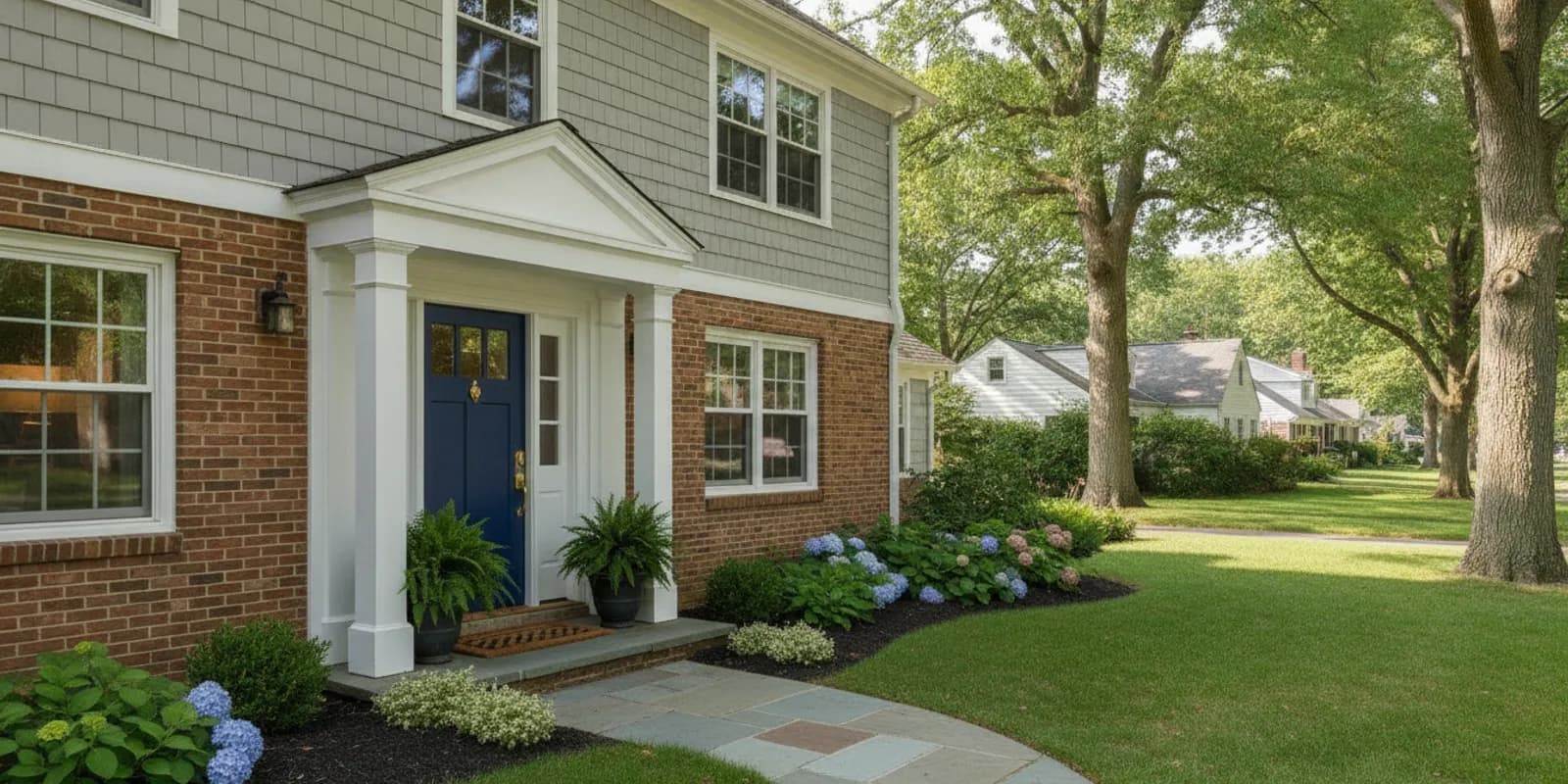
Planning an exterior door replacement can improve how your home looks, feels, and functions. The right project starts with more than choosing a color. You also need to consider the opening, frame condition, door material, hardware, weather exposure, and installation details. This guide explains what South Jersey homeowners should review before requesting an estimate, so the finished door fits the home and the way your household uses it.
Request a free in-home estimate
What should you decide before an exterior door replacement?
Begin by identifying the door's job. A front entry door may need to create a strong first impression while improving privacy and weather resistance. A side or rear exterior door may need to handle frequent use, provide convenient access, or connect the home to a porch or yard. A patio opening has different needs from a main entry, especially when the project involves a sliding or hinged door system.
Walk around the door from both sides and note what you see and feel. Look for daylight around the edges, drafts, sticking, water marks, swelling, cracked finishes, loose hardware, or difficulty locking the door. These observations do not establish the cause, but they help an installer understand the symptoms and plan the visit.
It is also useful to gather a few basic project preferences:
- Which opening will be replaced?
- Do you want the same swing, size, and general style?
- Would you like glass, sidelites, or a transom?
- Which colors and finishes suit the exterior?
- Which hardware, lock type, and threshold features matter?
- Is the work part of a broader home window and door package?
Keep your priorities in order. For example, a homeowner may care most about a tight fit and dependable locking, while appearance and decorative glass come next. Another homeowner may want to coordinate a new entry door with windows being replaced at the same time. A clear priority list makes the estimate easier to review.
Also consider how people move through the opening every day. Measure the available space for the door swing, nearby furniture, steps, railings, and storm-door clearance. Think about deliveries, children, pets, accessibility needs, and whether the threshold could create a tripping concern. These practical details can influence the configuration even when the replacement appears to be a simple one-for-one change.
Which exterior door materials should you compare?
Material affects appearance, maintenance, feel, and the way the door fits the home's design. There is no single best choice for every opening. The best option depends on the condition of the opening, exposure to weather, desired style, and planned use.
| Option | Useful qualities | Questions to ask |
|---|---|---|
| Fiberglass | Flexible style options and a practical choice for many entry applications | How will the finish, panel design, and hardware coordinate with the exterior? |
| Steel | Strong, straightforward entry-door option with a solid feel | How will the door be protected from moisture and maintained over time? |
| Wood | Natural appearance and broad design flexibility | What upkeep and exposure considerations apply to this opening? |
| Sliding or hinged patio door | Designed around movement between the home and an outdoor area | Does the existing opening, track, swing, and surrounding trim suit the selected system? |
Product names alone do not tell you whether a door is appropriate. Ask how the selected unit will work with the existing frame, sill, trim, and exterior finish. If you are considering an Andersen product, you can review the available Andersen windows and doors information before the estimate.
Material should also be considered together with the surrounding exterior. A replacement may meet the opening dimensions but still look disconnected if its panel profile, glass pattern, finish, or trim does not relate to nearby windows and siding. Take a photo from the street and from inside the entry area. Looking at the entire elevation can make it easier to compare samples than viewing a small product image alone.
How do glass, sidelites, and hardware change the project?
Glass can bring light into an entry area and change the visual balance of the front of the home. Sidelites and a transom can make an opening feel larger, but they also affect the overall unit size and the amount of glass facing outside. Consider privacy, daylight, sightlines, and how the door looks from the street.
Hardware should be selected as part of the complete door plan rather than as an afterthought. Review the lever or knob style, finish, lock configuration, hinges, closer needs, and threshold. The installer should confirm that the chosen hardware works with the door system and the way the opening is used.
For a security-focused project, compare the complete assembly: door, frame, hinges, lock area, glass, and installation. A strong product cannot correct an opening that is out of square or a threshold that does not manage water properly. Homeowners considering a dedicated entry upgrade can also review Cosello's front door installation and replacement service page.
Do not choose decorative glass without considering the view from both sides. Clear, textured, patterned, or divided glass can create different levels of light and privacy. Ask whether the selected design is available in the size and configuration required, and confirm how the glass, frame, and surrounding seals will be cleaned and maintained.
What should an installer measure and inspect?
An exterior door replacement is not based only on the visible slab. The installer should evaluate the existing unit and opening before final selections are made. Measurements typically need to account for the door, frame, rough opening, sill, trim, and surrounding wall conditions.
During the visit, ask the installer to explain:
- Whether the existing frame will remain or the complete unit should be replaced.
- How the width, height, depth, and swing direction affect the selection.
- Whether the sill and threshold show signs of moisture or movement.
- Whether the opening appears level, plumb, and square.
- How interior and exterior trim will be handled.
- Whether the new door will align with nearby windows, steps, siding, or masonry.
- Which preparation and finishing steps are included in the proposed scope.
Do not rely on a measurement copied from an old order or a rough number taken from the outside. Small differences can affect fit, swing clearance, trim, and the amount of preparation required. A professional in-home assessment gives the installer a chance to verify the conditions that an online form cannot show.
Ask how hidden conditions will be handled if the existing unit is removed. Moisture damage, uneven framing, deteriorated sill areas, or unexpected trim transitions may change the preparation work. The goal is not to predict every condition from a photograph. It is to understand which findings could alter the scope and how those changes will be explained before additional work proceeds.
What can change an exterior door replacement estimate?
Exact pricing depends on the selected product and the conditions found at the home. A useful estimate should identify the proposed door system, major options, preparation, installation, finishing, and any work that is not included. It should also explain the next decision you need to make.
Common factors include:
- Door material, size, panel design, and finish.
- Glass, sidelites, transoms, screens, and other configuration choices.
- Whether the existing frame can be used or the opening needs a complete unit.
- Trim, sill, threshold, flashing, insulation, and weather-sealing requirements.
- Access to the opening and protection needed inside the home.
- Removal and disposal of the existing door.
- Any adjustment needed around siding, brick, stucco, flooring, or interior casing.
Be cautious of an estimate that gives only a product label and a total. Ask what is included and what could change after the opening is exposed. This does not mean the project is uncertain; it means the scope should account for visible conditions and explain any allowances clearly. Cosello offers financing information for homeowners who want to review payment options alongside the project scope.
Exact pricing should be reserved for the estimate visit because the door, opening, configuration, and finishing choices all affect the work. When reviewing a proposal, ask whether removal, disposal, trim, threshold work, cleanup, and final adjustments are included. A written scope makes it easier to compare proposals and reduces confusion if you decide to change the glass, hardware, or finish later.
How should you compare replacement proposals?
Compare proposals line by line instead of choosing based only on the first total. The least expensive proposal may omit trim, disposal, finishing, or preparation that another installer has included. A higher total may reflect a different product or a more complete scope, so the details matter.
- Confirm the opening. Make sure each proposal addresses the same door and configuration.
- Compare the product. Review material, size, glass, finish, hardware, and included components.
- Review installation. Ask how the installer will prepare, set, seal, trim, and test the unit.
- Check the timeline. Ask when measurements, ordering, installation, and final adjustments are expected.
- Read warranty terms. Separate manufacturer coverage from labor coverage and ask who handles questions.
- Confirm the final path. Know what happens after approval and how changes will be documented.
Cosello Construction Inc. is an Andersen Certified Contractor with more than 20 years of experience and offers a 2-year labor warranty. Financing is available, and the estimate visit is the appropriate time to discuss the exact product and project scope.
It can help to place each proposal in a simple comparison sheet. Record the door model or description, frame approach, glass, hardware, trim, preparation, disposal, warranty, expected schedule, and payment terms. Then list any unanswered question beneath the relevant item. This keeps product differences from being mistaken for installation differences and gives you a clear record of what you approved.
For example, imagine one proposal specifies a new prehung unit with threshold work and disposal, while another describes only a door slab and installation. Those are not equivalent scopes even if both use the same material name. Ask each provider to clarify whether the frame is included, how the threshold will be addressed, and what finish work is part of the quoted job. Once the scopes match, compare the product options and terms on their merits.
A second useful check is to compare assumptions about opening conditions. One installer may include ordinary sealing and trim touch-up, while another may state that rot remediation or masonry work is excluded. Ask what conditions were observed, what is allowed for, and how an unexpected finding would be approved. That conversation helps you understand both the proposal and the limits of what can be known before removal.
Before signing, make sure the written document reflects the options you selected. Verify door handing, swing direction, glass design, finish, hardware, frame approach, and any requested trim detail. If you changed a preference after the estimate, ask for the revised description in writing so the order and installation plan reflect the same decision.
What happens during installation?
The installation plan should protect the home and keep the work organized. Before work begins, confirm access, furniture or floor protection, pets, alarm settings, and who will approve any scope question. The installer removes the existing unit, checks the opening, prepares the area, sets the replacement, and verifies that it operates correctly.
At the end of the work, review the door from inside and outside. Confirm that it opens and closes smoothly, latches without excessive force, and seals evenly. Check the threshold, trim, hardware, glass, and surrounding finish. Ask what care the materials require and who to contact if an adjustment is needed.
For general planning, the Consumer Guide to Window and Door Replacement from BC Housing also highlights the value of understanding the product, scope, and installer responsibilities before work begins. The guide is a general consumer resource; your local opening and selected product still require a specific assessment.
Keep the final walkthrough focused on operation as well as appearance. Test the lock, handle, hinges, screen or storm-door clearance, and any selected glass or panel features. Look at the seal from the interior and exterior, and ask for care instructions before the crew leaves. If a minor adjustment is needed, document it and confirm how follow-up will be handled.
Before installation day, clear a path from the entrance to the work area and move fragile objects or rugs near the doorway. Ask where the removed unit and packaging will be staged, and whether you should plan to use another entrance while the opening is being worked on. Keep the selected hardware and finish notes available so any question can be settled against the approved choices rather than memory.
During the job, avoid making unrecorded scope changes based on a quick verbal exchange. If removal exposes a condition that could affect the work, ask the installer to explain what was found, what options exist, and whether the proposal needs to change. A clear written approval for a change helps both sides keep track of the agreed work.
When is an in-home estimate the right next step?
An in-home estimate makes sense when you are ready to discuss a specific opening, compare configurations, or understand why the current door is not performing as expected. Bring photos if you have them, but do not treat photos as a substitute for measurements. The visit should connect your priorities to a practical product and installation plan.
Cosello serves homeowners in South Jersey and the surrounding service area with residential window and door replacement. You can review the residential door replacement and installation path, browse the completed project photo gallery, and prepare questions before contacting the team.
If the project includes a patio opening, compare the available sliding patio door replacement path with the needs of your room, yard access, and existing opening. You can also review Cosello's service areas to confirm that your location is within the company's coverage.
To make the visit productive, prepare a short brief: identify the opening, explain what prompted the project, list any must-have features, and mark questions you want answered. If several household members will use the entrance, invite them to add their preferences before selections are made. That can prevent late changes to swing, privacy, or hardware choices.
You can also bring exterior photos taken from a few distances, a close view of the sill and trim, and a picture of the interior approach. Note when problems occur, such as difficulty latching after rain or a noticeable draft on windy days. Specific observations give the installer context without requiring you to diagnose the cause yourself.
Frequently asked questions
How long does an exterior door replacement take?
The time depends on the product, opening, preparation, and finishing requirements. A simple replacement may differ from a project involving a new configuration, sidelites, trim changes, or concealed opening conditions. The installer should provide a project-specific expectation after reviewing the opening.
Can the existing frame stay in place?
Sometimes, but that decision depends on the frame's condition, dimensions, alignment, and compatibility with the new door. Reusing a frame may not be appropriate if it is damaged, out of square, or unable to support the selected unit and weather-sealing plan.
Should I replace the door slab or the complete unit?
That depends on the door, frame, sill, hardware, and opening. A complete unit may provide a more coordinated result when several components are worn or when the opening needs correction. An installer can compare the options after measuring and inspecting the existing assembly.
What should I bring to the estimate?
Bring your preferred style ideas, photos of the exterior, notes about drafts or sticking, and questions about glass, hardware, finishes, timing, warranty, and payment options. If you are coordinating window work, note which openings you want discussed during the same visit.
What is the practical next step?
Schedule your in-home door estimate
Start with the opening, define your priorities, and ask for a clear explanation of the product and installation scope before approving an exterior door replacement.