
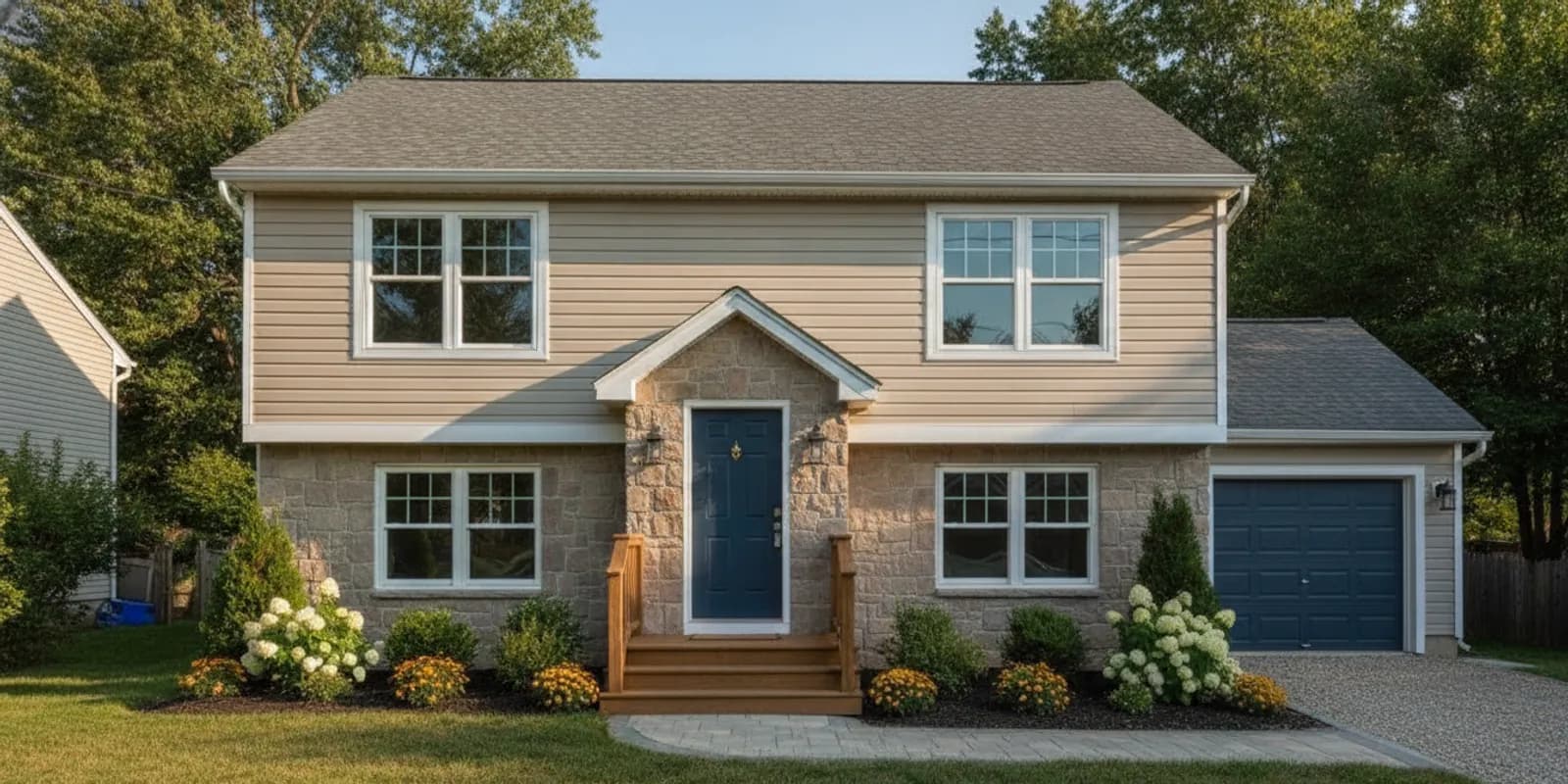
Window replacement rental properties NJ projects require more than choosing a frame and glass package. Owners must balance long-term durability with tenant comfort, access, and the timing of lease turnover. A clear scope helps you compare options and arrange the work with fewer surprises, whether you manage one rental home or a small portfolio.
Request a free in-home estimate
Planning window replacement rental properties NJ work around tenants
A rental home has to work for both the owner and the people living in it. The owner is planning a capital project and looking after the property. Tenants need a comfortable home, clear communication, and a workable plan for access. If the unit is between leases, the schedule may be easier to coordinate, but the opening still needs to be ready for the next occupant.
This guide focuses on residential rental homes and small portfolios where owners are planning selected or turnover-based work. For larger apartment buildings that need building-by-building bids and installation phases, see Cosello's multifamily window replacement guide.
That makes the decision broader than choosing a window style. Consider the condition of each opening, the home's exposure to weather, how often different rooms are used, and whether the work can be grouped into a single project. Also decide who will communicate with tenants and who can provide access on installation day.
Start by defining the problem. Drafts, difficult operation, damaged frames, moisture concerns, and mismatched older units can point to different scopes. A symptom in one room does not automatically mean every window needs replacement. A professional assessment can help clarify which units should be included and whether conditions around the opening need attention before the new unit is installed.
For guidance on choosing for durability, the NFRC consumer guide to window durability offers information on window selection and use. A landlord-focused resource, the Landlord's Guide to Resilient Rental Property, also discusses window and door replacement as part of rental-property planning. Use such guides to form questions, then compare the actual products and installation scope proposed for your property.
How can you tell which rental-property windows need attention?
Walk through the property and inspect windows room by room. Note observations rather than jumping directly to a product or a whole-house replacement. Record whether a sash is hard to open or close, whether a lock works, whether you feel an obvious draft, and whether there are signs of damage around the frame. Take a photo of each concern and label it by room.
- Operation: Does the window open and close without unusual effort? Does it stay in position as intended?
- Visible condition: Do you see damaged components, deterioration, or gaps around the frame or trim?
- Comfort: Have tenants reported drafts or rooms that are noticeably less comfortable?
- Moisture: Are there recurring signs of water around the window? Identify the location and timing, and have the cause assessed rather than assuming the window alone is responsible.
- Consistency: Are only a few units problematic, or do similar issues appear throughout the property?
Ask tenants for specific observations. A report such as "The bedroom window sticks when I try to open it" is more useful than a general statement. A tenant report that "the windows are bad" needs more detail. If a tenant identifies a safety concern or an opening that will not operate, make it part of the assessment. Do not postpone it for cosmetic reasons.
Keep a property file with the room-by-room list, photographs, tenant reports, prior invoices, and any available product or installation information. That record gives you a consistent basis for comparing estimates and can help you remember what was included when you plan work on another unit. If you have several rentals, keep separate records for each address and unit.
Should you replace every window or only selected units?
There is no single scope that fits every rental property. Replacing only the units with identified problems can keep the project focused. Replacing a larger group may make sense when similar units have similar condition or when a consistent appearance and maintenance plan matter to the owner. The right choice depends on the condition, layout, priorities, and estimate, not a blanket rule that all rental windows should be replaced at once.
Ask the estimator to identify which windows are included, which are excluded, and why. If the proposal recommends a full-property project, request the condition basis for the units that seem serviceable. If it recommends a partial project, ask how the selected units will look and function alongside the existing ones. A room-by-room scope is easier to review than a single line saying "replace windows."
| Planning option | When it may fit | What to confirm |
|---|---|---|
| Replace selected windows | A limited group has clear condition or operation concerns. | Which rooms are included, how the new units will coordinate with existing ones, and whether related opening work is needed. |
| Replace a full elevation or room group | Several neighboring units share similar condition or appearance matters. | Exact unit count, access needs, finish consistency, and the effect of leaving other elevations unchanged. |
| Replace windows throughout the property | Many units need attention or the owner wants one coordinated project scope. | Unit-by-unit schedule, tenant coordination, product selection, installation details, and the written warranty. |
| Assess first, then phase work | The owner needs to prioritize work across more than one unit or budget period. | Which items are urgent, how phased work affects matching, and whether future stages can be planned consistently. |
This comparison is about planning scope, not a substitute for inspecting the property. Ask the contractor to explain what is known, what still needs assessment, and what assumptions are part of the estimate. For other project-planning basics, see Cosello's window installation guide.
Which window priorities matter most in a rental?
Durability matters, but it is not the only criterion. Think about how the room is used and what the property needs to be ready for between occupants. A window that is awkward to operate can frustrate a tenant. A visibly inconsistent replacement can affect the property's appearance. A product choice that does not suit the opening or the planned use can create avoidable complications.
When reviewing options, compare the following factors:
- Operation and access: Consider whether occupants can use the window as intended and whether the style fits the room and opening.
- Frame and glass selection: Ask what options are appropriate for the home's conditions and your priorities. Do not assume one material or glass package is right for every building.
- Appearance: Compare how the proposed frames, grille choices, and exterior finishes will look alongside the home's existing features.
- Care and upkeep: Ask what routine care the manufacturer recommends and how to clean and operate the chosen units.
- Warranty terms: Separate product coverage from the contractor's labor warranty. Get the term and conditions in writing, including who to contact if a concern comes up.
- Installation scope: Confirm whether interior or exterior trim, disposal, and any work around the opening are included or excluded.
For a rental property, the parts that receive the most day-to-day handling deserve specific questions. Ask how the locks, balances, rollers, weatherstripping, and screens are expected to be operated and maintained, and whether replacement parts or service documentation will be available for the selected product. Confirm the proposed unit fits the existing opening and whether the installation plan is an insert or full-frame replacement. The installer should explain the tradeoffs for that opening instead of treating every room as identical.
For examples of available styles, Cosello's window types overview can help you name options to discuss. If the property has an older or distinctive design, give the estimator that context before settling on a look. For energy-related priorities, review the available energy-efficient window options and ask which specifications, if any, fit your particular project. Avoid treating a general product label as a promise of a specific bill reduction.
Need help sorting a rental property's priorities? Request a property-specific estimate.
How should you coordinate window installation with tenants?
Before work is scheduled, establish a simple communication plan. The owner or property manager should tell each affected tenant what rooms are involved, the expected work window, how access will be arranged, and what the tenant should move or protect. Confirm the plan directly rather than relying on a notice to reach everyone at the right time.
- List affected units and rooms. Match the proposed scope to addresses, unit numbers, and room names.
- Choose one point of contact. Let tenants know whom to reach with access questions or changes to the plan.
- Agree on access. Confirm the access arrangement with the tenant and the project team before the scheduled work.
- Prepare the rooms. Ask about moving belongings away from the work area and protecting items near the windows, based on the contractor's instructions.
- Plan for the workday. Discuss which rooms may be affected and whether the tenant should expect installers to enter more than one room.
- Close the loop. After the work, check that the agreed scope is complete and give the tenant a clear way to report any concern.
Rules for landlord entry and notice can depend on the lease and applicable law. Do not treat an installation appointment as a replacement for checking your obligations. If the unit is vacant, coordinate keys, alarms, pets, utilities, and a responsible person for access. If it is occupied, give people a clear, accurate schedule and update them if it changes.
When practical, owners often consider turnover as a planning window because the home is not occupied by a tenant. But do not assume a turnover period guarantees enough time. Confirm product availability and installation scheduling with the contractor, then allow room for coordination and follow-up. Cosello offers residential window replacement; an estimate can help determine the scope and next steps for a specific property.
What should a NJ rental-property window replacement estimate include?
Compare estimates on the same scope. A lower total is not a useful comparison if one proposal includes fewer openings, a different product, or less surrounding work. Ask for a written document that lets you see what you are buying and what remains your responsibility.
- Property address and the rooms or openings included.
- Window type, product details, and any selected options.
- Work included at each opening and any exclusions or assumptions.
- Whether removal and disposal of existing units are included.
- How interior and exterior finishes are handled.
- Expected scheduling considerations and how the team will coordinate access.
- Payment terms, any financing information offered, and the conditions that apply.
- Product warranty information and labor warranty terms in writing.
- The process for asking questions or reporting an issue after installation.
For each opening, ask the estimator to identify the room, approximate size, proposed unit type, installation method, finish work, and any condition that could change the scope. If the estimate groups openings, ask for a separate count so you can compare phases and keep property records accurate.
Ask how changes are handled if the crew finds an unexpected condition after work begins. The proposal should make clear how the contractor will explain the issue and obtain your approval before proceeding with any change to the agreed scope. Keep the signed estimate and final project documents with the property's records.
Do not rely on a verbal promise to fill gaps in a proposal. If a detail matters to your decision, such as which rooms are included, how tenant access is arranged, or what warranty applies, ask to have it clarified in writing. Cosello Construction is an Andersen Certified Contractor with more than 20 years of experience and offers a 2-year labor warranty and financing; ask for the terms that apply to your project. A company background and financing information can provide context before you request an estimate.
How can you plan a rental-property project budget?
Exact project cost depends on the openings, products, and work included, so a property-specific estimate is the right way to compare options. Before requesting one, decide whether you want a complete-property scope, a priority list, or separate phases. That lets the contractor respond to an actual plan rather than guessing which units you may want to include.
If you manage several properties, build a simple priority worksheet. Put each address and unit on a row, list the window concerns, note whether the unit is occupied, and record the preferred timing. Identify what must be addressed now and what can be considered later. Keep any proposed phases specific so you can compare them without assuming that future product or scheduling details will remain unchanged.
How do you prioritize work across multiple rental units?
When several homes or units need attention, avoid treating the list as one large, undifferentiated project. First separate observations from decisions. A report that a window is difficult to operate is an observation; deciding to replace it now is a scope decision that should follow assessment. This distinction helps you plan consistently and explain your choices to owners, tenants, or other decision-makers.
For each opening, record the room, the reported or observed concern, whether the unit is occupied, and any timing constraint. Then group the list by urgency and project fit. For example, units with a similar scope may be easier to coordinate together, while an occupied unit with a specific access limitation may need a separate schedule. Ask the contractor whether grouping work changes access needs or the sequence, rather than assuming that every location can be handled on the same day.
Use a short decision review before approving a phase:
- Does the condition need prompt assessment, or is the item primarily an appearance preference?
- Can the selected windows be treated as one clear written scope?
- Will tenant access, vacancy dates, or property rules affect the proposed sequence?
- Are the product choices and finishes consistent with the property's longer-term plan?
- What would need to be revisited before a later phase is approved?
This process does not replace a property inspection or decide urgency by itself. It gives you an organized basis for asking questions and comparing phases. If you are coordinating different addresses, make sure each proposal identifies the correct property and openings. A clear address-by-address record can prevent assumptions from carrying over from one home to another.
What records should you keep after installation?
Close the loop by saving the final approved scope, product information, invoices, warranty documents, and any instructions provided for operating or caring for the windows. Add the completion date and a brief note identifying the rooms or openings addressed. If a tenant reports a concern later, these records make it easier to identify which unit was installed and whom to contact.
Also keep the before-and-after room list with the property's maintenance file. Note any openings that were assessed but left out of the project, along with the reason for deferring them if that information is available. This is useful when a new tenant reports an issue or when you revisit the remaining scope. Do not assume an excluded opening was included simply because other windows in the same home were replaced.
For multiple properties, use the same record format at each address. Consistent files make it easier to compare project history without confusing one home's product details or warranty information with another's. Ask the installer which documents you should retain and how to raise a question about the completed work.
Rental owners may also need to understand how project expenses should be recorded and reported. The IRS's Publication 527, Residential Rental Property, includes guidance for rental-property reporting, including separate Schedules E when there are more than three rental or royalty properties. For the treatment of a particular window project, consult a qualified tax professional rather than relying on a contractor's estimate.
What happens during a residential window replacement project?
A well-planned project generally moves from assessment to a written scope, product selection, scheduling, installation, and a final review. The exact steps depend on the property and the agreed work. Ask the contractor to explain the sequence for your home and identify what you need to decide before a date is set.
- Assessment: Review the existing openings, condition, access, and goals for the property.
- Scope and selection: Confirm which windows are included and settle product and finish choices.
- Written proposal: Review inclusions, exclusions, payment terms, warranty information, and scheduling assumptions.
- Preparation: Coordinate tenant communication, access, and room preparation using the project team's instructions.
- Installation: The crew completes the agreed work. Clarify how questions or newly discovered conditions will be communicated.
- Walk-through and records: Review the completed scope, ask about operation and care, and retain project and warranty documents.
Do not choose a contractor on an unverified schedule promise alone. Ask what timing depends on, when you will receive updates, and who will coordinate access. Cosello describes itself as an Andersen Certified Contractor and offers free in-home estimates; use the estimate conversation to confirm whether the proposed scope suits the property and your turnover calendar.
Discuss your rental property's window replacement plans
Frequently asked questions
Can I replace only the windows that are in poor condition?
Yes, a project can be scoped around selected openings. Ask for a room-by-room assessment and confirm how the new units will coordinate with existing windows. Whether a partial scope is the best fit depends on the property's condition and priorities.
Is a tenant turnover the best time to replace rental-property windows?
Turnover can make access and room preparation simpler because the unit is vacant, but the available window may be short. Confirm the scope, product availability, schedule, and follow-up needs before relying on a vacancy date.
What should I compare besides the estimate total?
Compare the openings included, product details, installation scope, exclusions, tenant-access plan, payment terms, and written warranty information. A consistent scope makes proposals easier to evaluate.
Can an estimate determine the tax treatment of the project?
No. An estimate describes proposed work and its cost, not your tax treatment. For reporting questions about a rental property, review IRS Publication 527 and ask a qualified tax professional about your specific situation.
Plan the scope before you schedule
For rental properties, a durable window project starts with a documented condition review, a clear list of included openings, and a plan for tenant access or turnover. Compare written proposals on the same scope, keep the property records together, and confirm the schedule before you promise a completion date to an incoming tenant.