
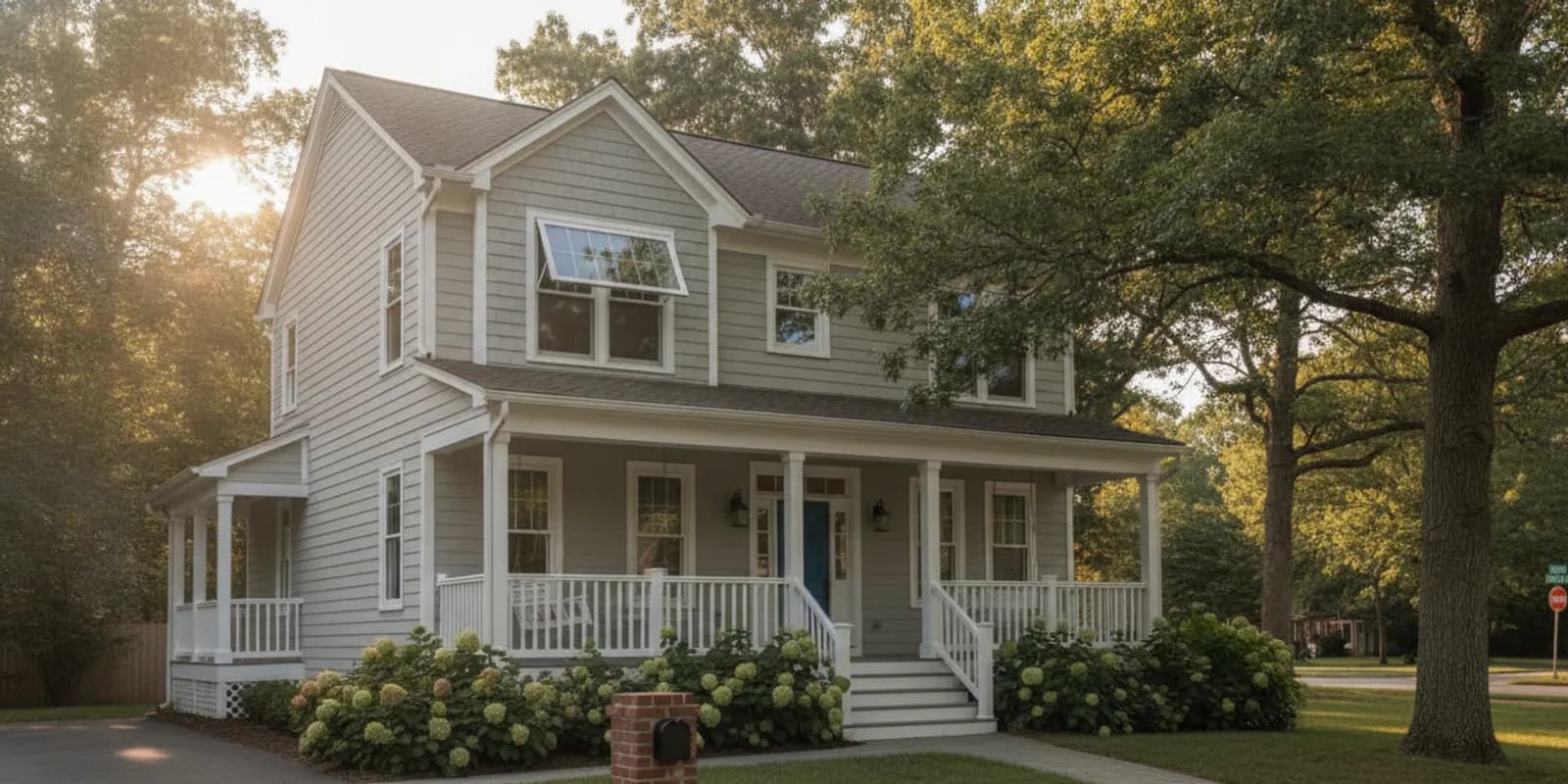
Awning window replacement in South Jersey can be worth considering when a window is difficult to operate, no longer seals well, or does not provide the ventilation you want. An awning window is hinged at the top and opens outward from the bottom. That design can bring in air while the sash may help deflect some light rain, depending on the weather, window, and installation. The best choice depends on the room, the opening, and how you use the space each day.
When can an awning window suit a room?
Awning windows are often considered where a homeowner wants ventilation without a sash that slides up or sideways. The top-hinged sash creates an opening at the bottom of the unit, which may be useful in a kitchen, bathroom, bedroom, or another room where controlled airflow matters. The operating hardware also gives you a way to open the window without lifting a large sash.
Outward operation requires careful planning. A narrow side passage, walkway, shrub, railing, or other obstruction may affect how easily the sash can open. Think about whether it projects over a deck, patio, or path where people pass. Also check whether an exterior screen, shade, or nearby fixture affects operation.
The window may be opened a little or farther, subject to its hardware and outside conditions. Its top-hinged sash may offer some shelter from light rain, but it is not a guarantee of protection during wind-driven rain. Close the window when severe weather could expose the room to water. The frame, seals, glass, drainage, and installation all matter.
- Ventilation: Consider whether the lower opening provides the airflow you want and whether the operator is easy to reach.
- Exterior clearance: Confirm that the sash will not hit a path, railing, plant, light, shutter, or other nearby feature.
- Room use: Think about counters, furniture, sinks, and other objects that could make the handle difficult to access.
- Weather exposure: Review how the opening faces prevailing wind and rain, but do not treat the awning design as a substitute for closing the window in poor weather.
- Cleaning: Ask how the selected unit is cleaned from inside and outside, particularly if it is above the ground floor.
Awning units are one option among many window styles. Review the available residential window options and compare how each style operates in the room where you plan to replace a window. You can also review the broader types of windows before settling on one operating design.
What signs suggest replacement should be assessed?
A window that sticks, has damaged hardware, or allows noticeable drafts deserves attention. Those symptoms do not automatically mean the entire unit needs replacement. The source might be an operating part, a worn seal, surrounding trim, or an issue around the opening. An assessment can help distinguish a limited repair from a replacement project.
Look for changes such as difficulty opening or closing, visible gaps, recurring condensation between panes, water staining near the frame, or damage to the sash. Record where and when you notice the problem. For example, note whether a draft is felt at the lock side, whether the issue follows heavy rain, or whether the sash closes unevenly. These observations help explain the concern, but they do not replace an on-site inspection.
If the glass appears foggy between panes, the problem may involve the insulating seal rather than surface moisture. Cosello's guide to foggy windows in New Jersey can help you organize questions before an assessment. If the issue seems limited to hardware or another component, compare that possibility with the guidance on window repair services rather than assuming replacement is the only path.
How can you decide whether the style fits the opening?
Start with the way the room functions, not with a product label. A window above a counter may need an operator that is easy to reach. A window beside a walkway needs enough exterior clearance. A unit in a sleeping area may need to be evaluated with ventilation, cleaning, privacy, and any applicable safety requirements in mind.
Compare an awning window with other options by asking how each one opens, where the moving parts travel, and what maintenance access looks like. A sliding unit does not project outward, while a casement unit typically opens from a side hinge. A fixed picture window provides daylight but does not provide ventilation. The right comparison is specific to the opening and your priorities.
For a room where insulation and glazing matter, review the available energy-efficient window options. The U.S. Department of Energy's Energy Saver guidance explains that windows and other home components affect energy use, so ask what glass and frame features are included in the particular unit being quoted. Do not assume that every efficiency feature is standard in every window.
What should you record before requesting measurements?
Do not assume that the visible glass size is the size needed for a replacement order. The installer needs to assess the existing unit and opening, including how the frame is set into the wall. A homeowner can gather useful preliminary information, but final measurements should be verified by the installer before a unit is ordered.
- Identify the window: Note the room, floor, approximate age if known, and whether it is part of a group of matching units.
- Describe the opening: If you take rough dimensions, label them as preliminary and record width and height separately. Do not remove trim or disturb the frame just to measure.
- Photograph the context: Take a straight-on photo and another showing the surrounding wall, trim, sill, exterior surface, and clearance.
- Explain operation: Say whether the unit currently opens, where the handle is, and whether furniture, a counter, or a sink limits access.
- Describe symptoms: Note drafts, water marks, hard operation, condensation, damaged trim, or other concerns and when they appear.
- List priorities: Separate essential needs, such as easier operation, from preferences, such as a particular color or grille pattern.
These details help start a useful conversation, but they are not a substitute for checking the opening in person. Existing frame condition, wall construction, trim, drainage, and the planned installation approach can all affect final measurements and scope. A rough measurement should never be used as the sole basis for ordering a replacement unit.
It can help to make a small room-by-room record. For example, label a kitchen window “above sink, handle hard to reach, opens toward side yard” and a bedroom window “second floor, draft near lower corner.” This description is more useful than a list of dimensions alone because it connects each concern to how the window operates and where it is installed. If several windows look similar, assign each a simple number and include that number in the notes and photos.
Which installation details deserve attention?
A successful replacement is more than selecting a window by style. The installer should evaluate the existing unit and surrounding opening, confirm dimensions, and explain what is included in the proposed work. Ask how the existing frame and trim will be handled, whether visible damage will be documented, and how the new unit will be operated and cared for.
Ask how the opening will be prepared and how the new unit will be sealed. The exact method depends on the existing construction and replacement approach, so the proposal should describe the work in terms you can understand. Clarify whether removal, disposal, interior or exterior trim work, and cleanup are included.
Before work begins, clarify how the room will be protected, what needs to be moved, and how the work area will be left. Discuss exterior access and any obstacles near the window. If several windows are being replaced, ask whether the proposal lists each opening separately so you can see precisely what is included.
Performance depends on more than the window label. Correct fit, careful installation, suitable sealing, and proper operation are important. If you are considering other windows too, compare the window replacement service information with the details of the specific project. Ask the installer to explain which features are included in the selected unit rather than assuming every option is standard.
During an assessment, invite the installer to explain the sequence in plain language: how the existing unit will be examined, what measurements will be confirmed, and what work is anticipated at the opening. You do not need to specify a technical method yourself. The useful outcome is a clear understanding of what the proposal covers and how any unexpected condition will be handled before work proceeds.
How should you compare window replacement quotes?
Two proposals can use different product descriptions or include different work. Compare the scope line by line rather than choosing by a single total. Exact project pricing depends on the home, opening conditions, number of units, and selected product, so an estimate visit is the appropriate place to discuss the price for your openings.
| Quote detail | What to check | Question to ask |
|---|---|---|
| Window specification | Style, dimensions, frame, glass options, color, and operating hardware | Which model and options are included for each opening? |
| Installation scope | Removal, preparation, fit, sealing, trim work, disposal, and cleanup | What work is included, and what is excluded? |
| Existing conditions | How visible damage or an irregular opening will be addressed | How will unexpected conditions be documented and discussed? |
| Room logistics | Access, protection of nearby surfaces, and expected work sequence | What should we move or prepare before installation? |
| Operation and care | How the operator, screen, glass, and exterior surfaces will be maintained | How should the finished window be cleaned and operated? |
| Warranty terms | Product coverage and labor coverage stated in the proposal | Where can I review the applicable warranty terms? |
Ask for explanations in plain language. A useful proposal makes clear which windows are being replaced, what products and options are included, and what could change the scope. If the estimate refers to a particular glass package, hardware, or trim treatment, request that it be identified in writing.
Use the same checklist for every proposal. First, confirm that each quote covers the same openings. Next, compare the unit descriptions and options, then check the work listed for removal, preparation, and finishing. Finally, note anything that remains uncertain, such as how concealed damage will be reviewed or whether a specific trim task is included. This process can reveal why totals differ without assuming that the lowest or highest number is automatically the best fit.
What can affect the project estimate?
The estimate can vary with the number of openings, their dimensions, selected materials and features, access, and the condition of the existing frame or surrounding area. A straightforward opening may have a different scope from one that needs additional attention to trim, drainage, or fit. The location of the window and the work area can also affect installation planning.
Do not compare a broad starting figure with a detailed proposal unless you have confirmed that both cover the same units, product choices, and installation work. Ask whether the proposal separates product selections from labor and whether potential changes are explained before work proceeds. This makes it easier to compare two recommendations fairly without treating different scopes as equivalent.
Financing is available through Cosello; ask about current options during the estimate process. You can also review the company's window and door financing information before the appointment. For a project-specific assessment, use the contact and estimate request page.
How can you prepare for installation day?
Before scheduled work, ask the installer what preparation is needed for your particular rooms. In general, clear items from the window area and provide a path to the work site. Move fragile objects from nearby shelves and take down treatments if requested. Confirm how pets and children will be kept clear of the work area.
Keep your written proposal available so you can confirm the openings and scope. If the installer identifies a condition that differs from what was expected, ask for an explanation before agreeing to a change. After installation, operate the window as demonstrated and ask how to clean and maintain the product. Report any operation or fit concern promptly.
If you are replacing several windows, make a room-by-room list. Mark which units are awning windows, which rooms need a different style, and which openings have special access concerns. This reduces confusion during the estimate and gives you a practical checklist for reviewing the finished work.
For a kitchen or bathroom, think about the objects that usually stay near the opening. A soap dispenser, countertop appliance, curtain, or blind may affect access to an operator or complicate cleaning. Move only what is needed before the appointment, then ask the installer whether the selected position and operation make sense with the room's everyday setup. A bedroom checklist may instead focus on furniture placement, privacy coverings, and a clear path for exterior access.
Frequently asked questions
Can an awning window stay open when it rains?
The sash may help shield the opening from some light rain, but wind direction and intensity can push water inside. Close the window when conditions could expose the room to rain, and follow the product's operating guidance.
Are awning windows suitable for every room?
No single style works everywhere. Consider exterior clearance, how you reach the operator, the room's ventilation needs, cleaning access, and whether the outward swing interferes with a path or other feature. An installer can assess the specific opening.
Can I measure the window myself?
You can collect rough dimensions and photos to describe the project, but do not use them as final ordering measurements. The installer should verify the opening and installation conditions in person.
Does a draft always mean I need a new window?
No. A draft can come from more than one source, including hardware, seals, or the area around the unit. An assessment can help identify whether repair or replacement is relevant.
Should I replace every window with an awning style?
Not necessarily. Each opening has different clearance, ventilation, access, and appearance needs. Compare styles room by room and choose a design that suits the way each space is used.
What is the practical next step?
Make a short list of the windows that concern you, note what you have observed, and decide what matters most: ventilation, ease of operation, weather exposure, comfort, or appearance. Then request an in-home estimate and ask for the product and installation scope to be explained for each opening. A clear assessment makes it easier to decide whether awning window replacement fits your South Jersey home.
Arrange an in-home window assessment
With the opening and your priorities reviewed in person, you can compare a specific recommendation against the way you use the room every day.