

Drafty windows can undermine a Colonial home's balanced character and comfort, but the right replacements can preserve its traditional proportions while improving performance.
Schedule your window consultation with Cosello Construction.
Maintaining the iconic look of a traditional home means choosing replacements that mirror original proportions.
The best windows for colonial homes are almost always double-hung models that preserve the strict symmetry and divided-light patterns of traditional 18th-century architecture. These high-performance units should feature historically accurate grille profiles and hardware finishes to match the character of the property while providing modern energy performance. According to Cosello Construction, high-quality replacement windows can offer a 10-25% energy savings potential by eliminating drafts and improving security. Homeowners should look for Andersen products or similar brands that offer authentic wood or clad-wood frames to satisfy local preservation needs. By selecting high-performance double-hung windows, you can maintain the iconic look of your home while enjoying a quieter and more energy-efficient space that resists the weather.
Selecting the right materials and styles requires a clear understanding of your specific architectural needs. The best windows for Colonial homes at a glance provides a quick comparison of the top options for your New Jersey property. The path begins with the following details.
The best windows for Colonial homes at a glance
For most Colonial homes, double-hung windows with historically appropriate grille patterns provide the strongest match. Casement windows can serve kitchens and baths, while bay windows can create carefully placed focal points. Frame material should balance the home's character, local requirements, and the owner's maintenance preferences.
Traditional double hung windows
Many owners choose double-hung window installation options to match other homes in their area. These windows help keep the house cool in the summer. They also look great from the street. If you live in an old area, you might need to follow local rules. Federal rules say new windows should match the historic details and parts of the home. This is most important for walls that face the road.
Modern options for classic homes
You can use other types of windows for specific needs. Casement windows are a good pick for kitchens or baths. They open with a hand crank that moves the sash out. This makes them easy to use over a sink or a counter. They offer a full and open view of the yard. But you should pick frames and grids that match the rest of the house to keep things even.
Bay or bow windows add a large touch to a living room. These windows stick out from the wall to the outside. This creates more space inside the house for a bench or plants. They work well in colonial homes if they have a grid look that fits the style. Picture windows are also an option for some rooms. They do not open, so they are very tight and stop leaks. You can use wood windows for colonial homes to get the best of both worlds. They look old but work like new.
How to choose the right fit
Think about how you use each room before you buy. Double-hung windows are great for bedrooms because they are safe and easy to clean. If you want a clear view of a garden, a picture window might be the best choice. Just keep in mind that a fixed window will not let any air into the room. You have to balance your need for a view with your need for a breeze.
The frame material you choose will also change the look and care of the home. Wood offers a traditional appearance, while low-maintenance materials can reduce upkeep. Compare each option by its finish, durability, and fit for your house. A careful choice can also make your home more comfortable during hot summers and cold winters.
| Window Type. | Visual Look. | Air Flow. | Energy Use. | | ------------ | --------------------- | --------- | ----------- | | Double-Hung. | Classic and balanced. | High. | Good. | | Casement. | Simple and modern. | High. | High. | | Bay or Bow. | Grand and large. | Medium. | Medium. | | Picture. | Clear and still. | None. | Very High. |
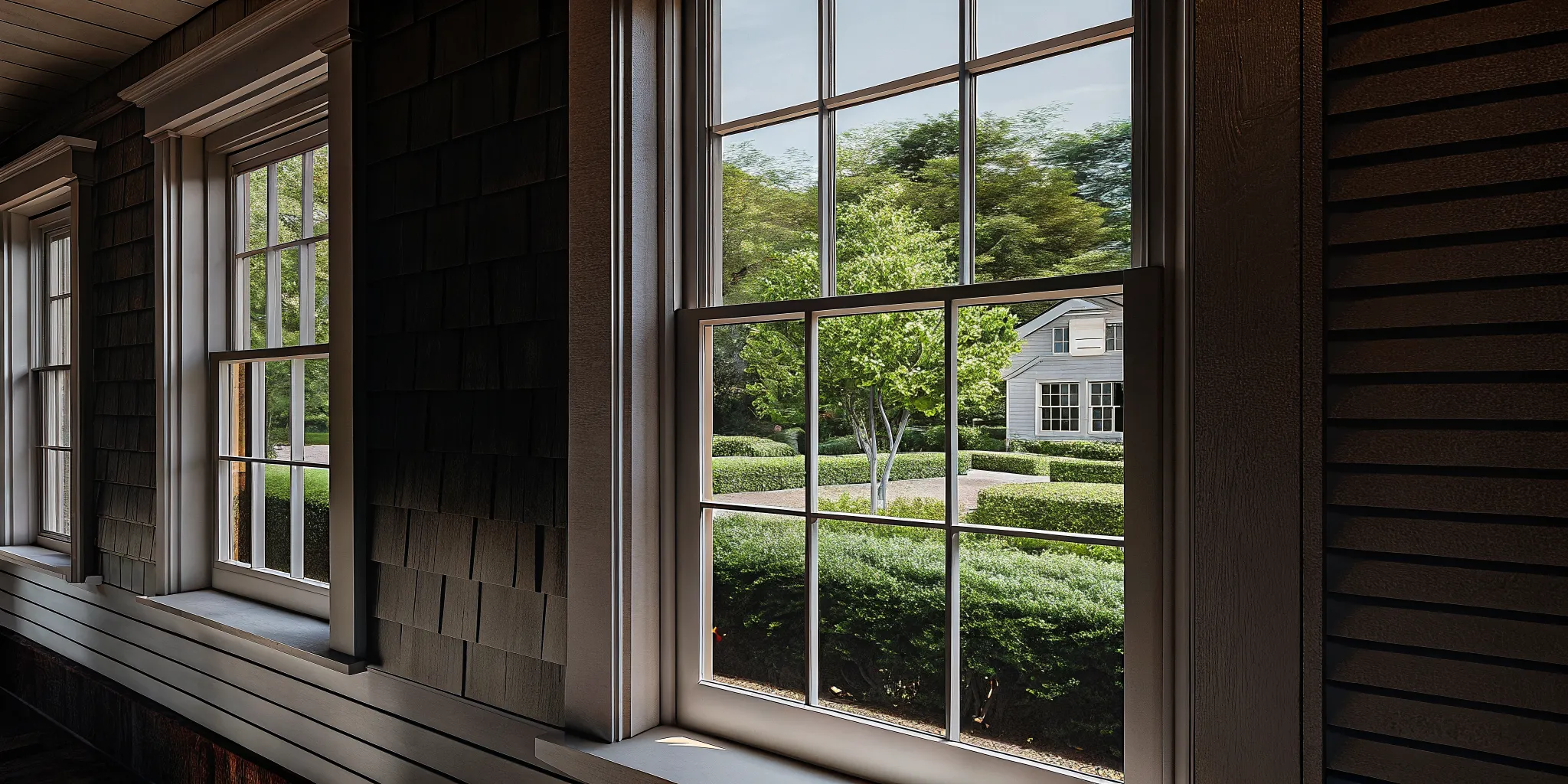
Traditional double-hung proportions and divided-light patterns reinforce a Colonial facade.
Why double-hung windows suit Colonial architecture
Double-hung windows suit Colonial architecture because their tall proportions, paired sashes, and divided-light patterns reinforce the style's symmetry. They also provide flexible ventilation without changing the orderly facade that gives a Colonial home its recognizable character.
Double-hung windows are the top choice for colonial homes. They match the classic look and feel of this style. These houses focus on balance. You often see two windows on each side of a center door. Double-hung windows fit this shape well. They have two sashes that slide up and down. This design keeps the flat, clean lines that colonial homes need.
Most colonial homes have tall, narrow window spaces. Double-hung frames fill these spots without changing the home's face. This is big if you want to keep the house looking its best. These windows first appeared in the 17th century. They have stayed a top pick for over three hundred years because they work so well with simple, strong designs.
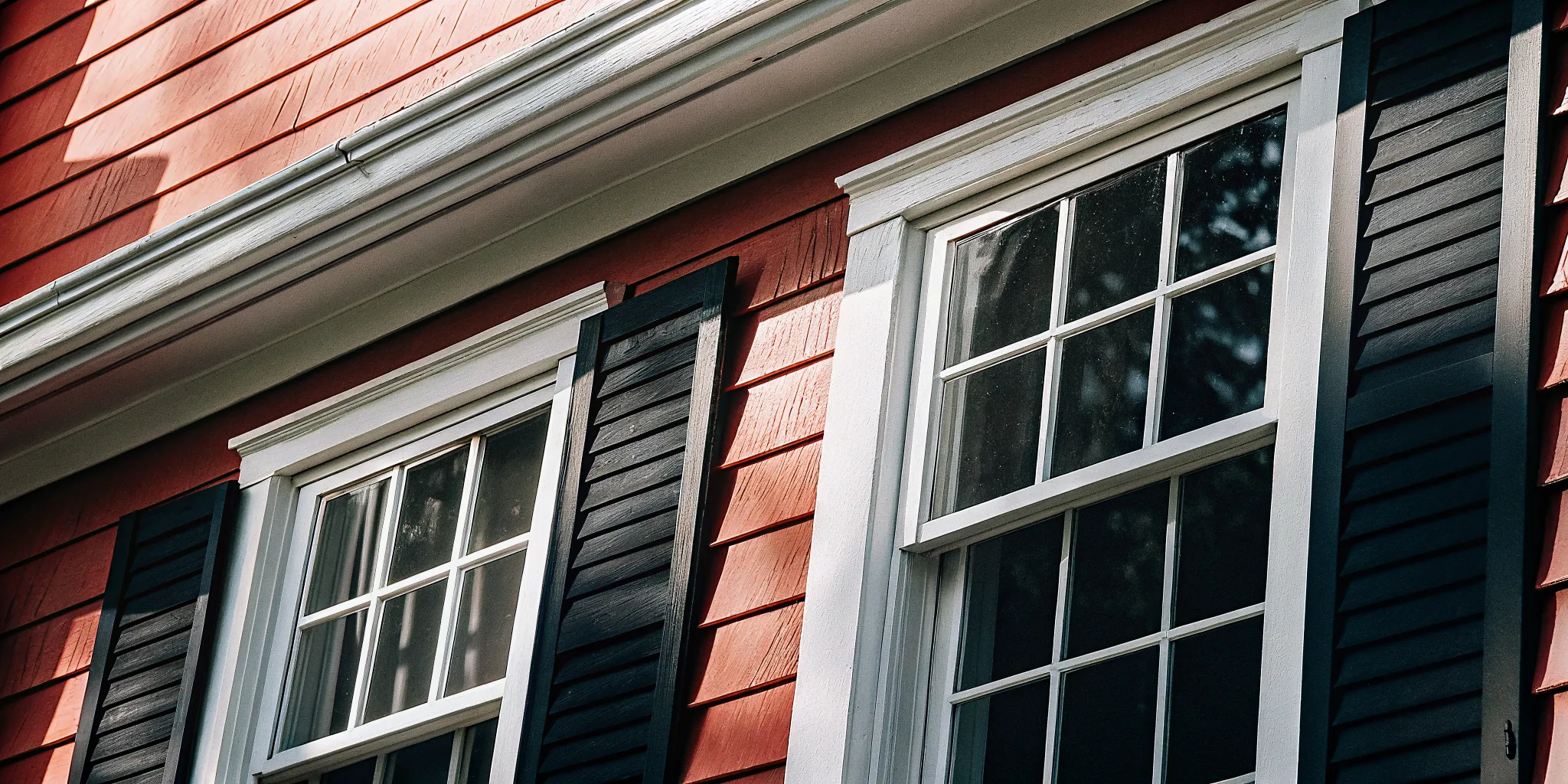
Double-hung windows and consistent grille patterns help preserve a Colonial facade's symmetry.
Balancing symmetry and design
Balance is a big part of colonial style. The classic double-hung window details help keep this look. Most colonial homes use windows with small panes of glass. These are called divided lights. Double-hung frames make it easy to use these grids. You can have a "six-over-six" or "nine-over-nine" layout. This means there are six panes in the top sash and six in the bottom. This grid look is a hallmark of the style.
Many people think these are the best windows for colonial homes because they fit the scale. The glass panes are small and repeat across the front of the house. This creates a rhythm that draws the eye. Choosing the right grille pattern is key. It keeps the house from looking too plain or too busy. Wood frames are best for a true look, but modern vinyl or clad wood also works well.
Efficient cooling and air flow
Colonial homes were built long before modern cooling systems. They relied on natural wind to stay fresh. Double-hung windows offer great air flow. You can open both the top and bottom sashes at the same time. Warm air escapes through the top sash. Cool air comes in through the bottom sash. This creates a natural loop that keeps rooms nice. It is a simple way to stay cool on a hot day.
Meeting historic preservation standards
If you live in an old home, you may face strict rules. Local groups often want new windows to match the old ones. This is most true for street-facing walls. According to the National Park Service, new windows on visible sides must match the historic ones in detail and material. Using a different style can hurt the home's value and look.
Double-hung windows are the easiest to match because most colonial homes had them from the start. You can find new versions that look just like wood but need less care. Choosing the right frame and grille helps you stay within the law. It also keeps your home looking great. Using the right styles ensures your home stays true to its early roots while staying strong for years to come.
Can casement and bay windows work on a Colonial home?
Yes, casement and bay windows can work on a Colonial home when their placement respects the original facade. Use casements in practical locations such as kitchens, and reserve bay windows for carefully selected focal points that do not disrupt the home's visual balance.
Smart spots for casement windows
Casement windows hinge at the side and swing out like a door. They are not a standard choice for the front of an old home, but they work great in certain rooms. Kitchens and bathrooms often need more air flow and ease of use. A casement window over a sink is much easier to open than a double-hung unit. It lets you clear out steam or smells with a simple turn of a crank.
If you want to use casements on a classic home, focus on the glass pattern. Adding grilles that match the small panes of your other windows helps them blend in. This way, you get the modern ease of a crank-out window without losing the old-world charm. It is a smart move for spots where you want a full view but still need to stay true to the home's roots. Experts with over 20 years of work in the tri-state area can help you find the right fit for these tricky spots.
Adding focal points with bay and bow windows
Bay and bow windows can add a lot of light to a living room or den. These styles stick out from the wall to create a small nook. While they were not part of early Colonial builds, they can work well on side walls or back rooms. These windows act as a focal point and can make a room feel much larger. They also offer a great spot for plants or a window seat.
When you choose bay and bow windows, try to match the height and roof line of your home. Using the same wood or trim colors will help the new unit look like it has always been there. This is a great way to gain shelf space or a cozy seat while keeping the home's old style. Matching the trim keeps the home's even look intact from the street.
Using large glass on rear walls
The front of your home is the most important for its look and style. However, you often have more freedom with the back of the house. National guidelines note that street-facing walls matter more for style than back walls that people cannot see. This makes the back of your home a great place for picture windows or large glass panes. You can bring in more light without changing how the house looks from the road.
Ask Cosello Construction which window styles will protect your Colonial home's character.
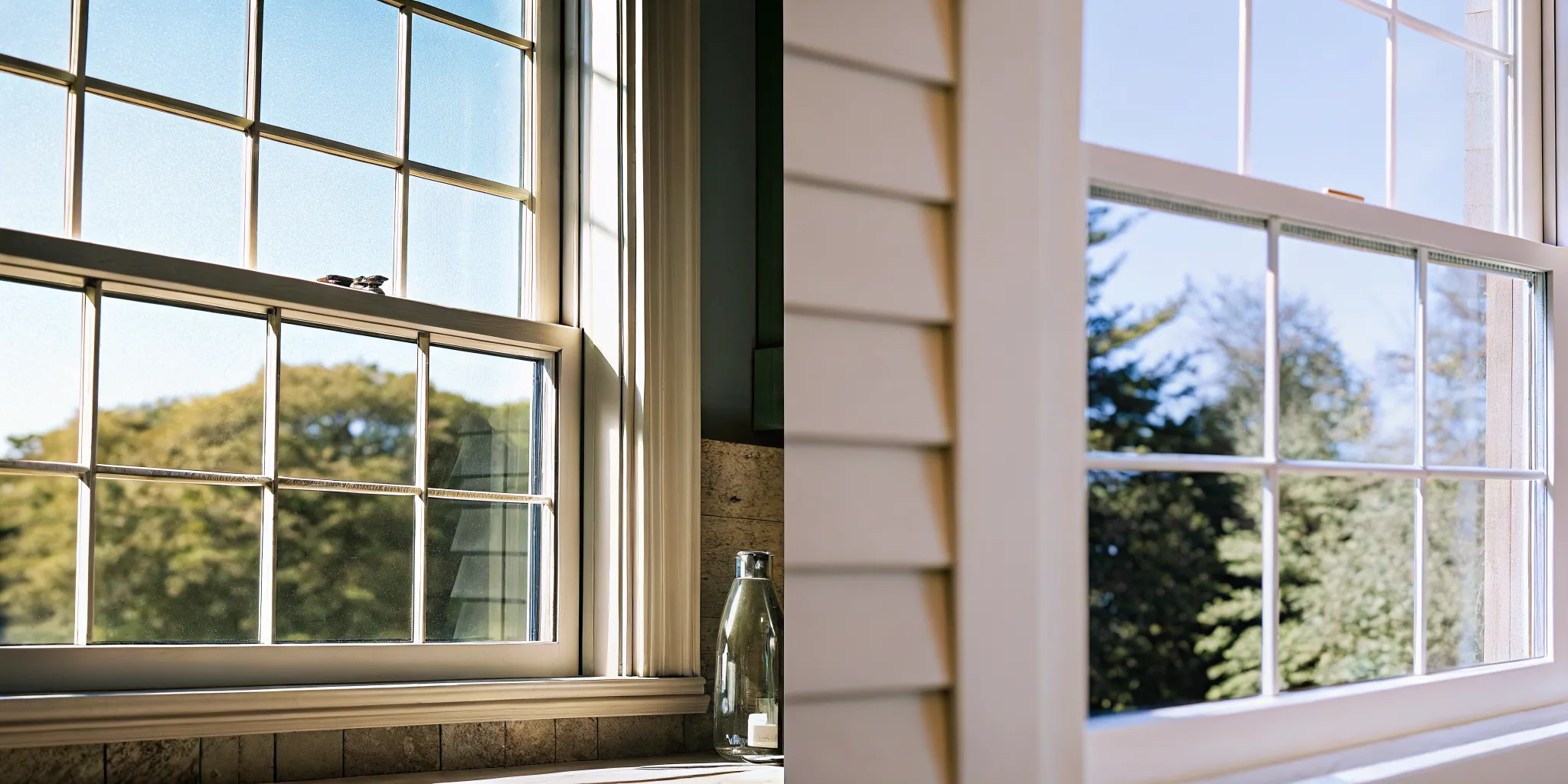
Frame materials should balance traditional character with the homeowner's maintenance priorities.
Choosing a frame material that balances character and upkeep
Wood offers the most traditional appearance, while clad wood, composite, fiberglass, and vinyl can reduce maintenance. The best material depends on the home's existing details, exposure to New Jersey weather, preservation requirements, and how much upkeep the homeowner wants.
Picking the right frame is a big part of finding the best windows for colonial homes. The frame type you pick affects how your house looks from the street. It also decides how much work you must do to keep the windows in good shape over time. For many owners, the goal is to keep the old-style charm while making the home simple to run.
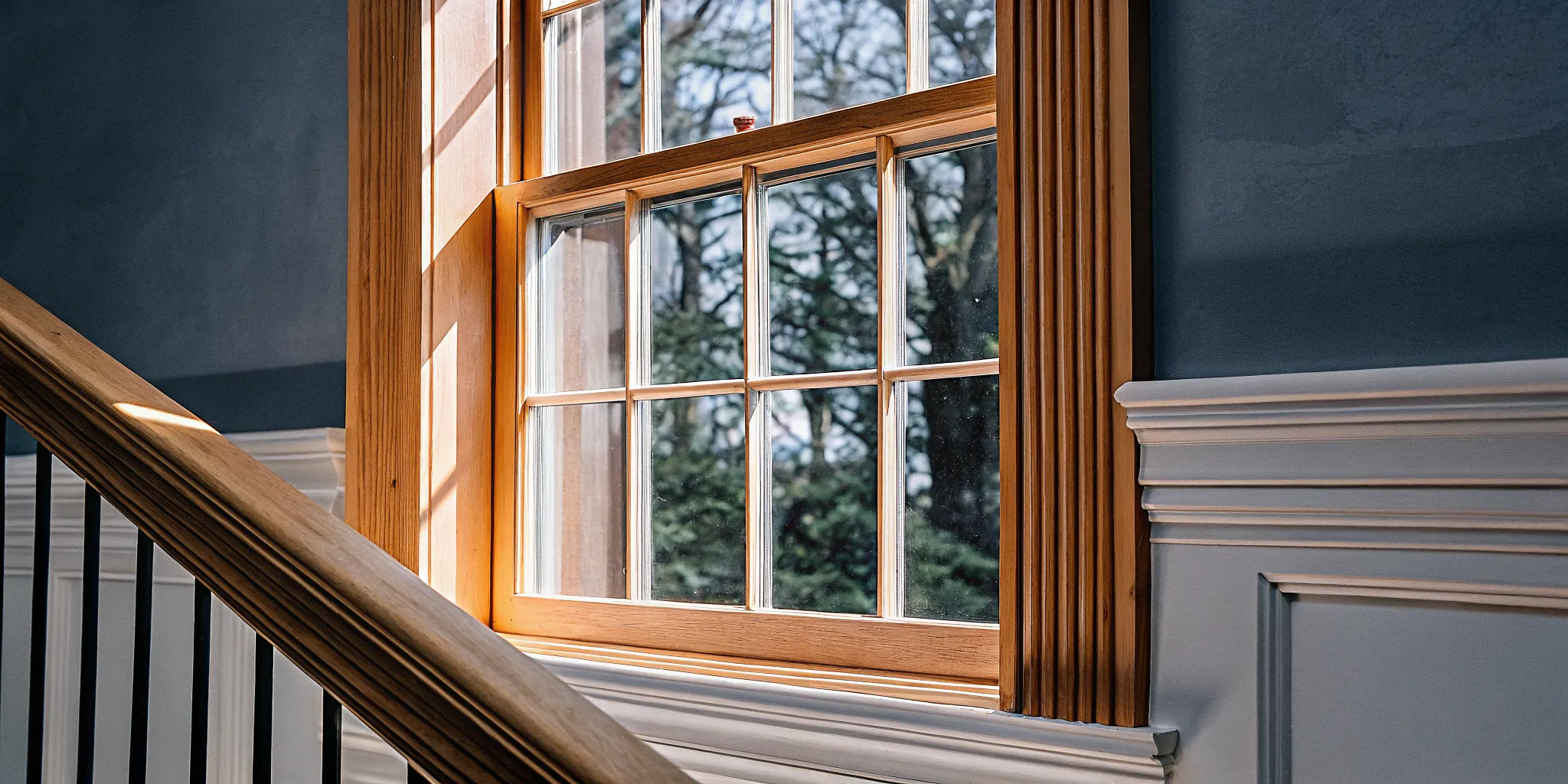
Frame material can preserve traditional interior detail while reducing exterior maintenance.
Classic wood frames
Wood is the top choice for traditional homes. It offers a warmth and detail that other parts struggle to match. If you live in a historic area, you may even need to use wood. Standards for historic window replacement often say that new units must match the old ones in every way. This keeps the building's spirit alive and well. Wood is great for making the fine details, like thin muntins, that define the colonial look.
Wood frames provide great heat control and can last for many years if you take care of them. Many people choose wood windows for colonial homes to get that just-right look. But wood does need paint or stain to stop rot. If you love the look of real wood, you must be ready to spend time on upkeep. This material is best for owners who want to keep their home as close to the first look as they can.
Clad and composite options
If you want the look of wood without the hard work, clad wood is a smart pick. These windows have a real wood frame on the inside for a warm feel. On the outside, they have a tough shell made of aluminum or vinyl. This shell hides the wood from rain, snow, and sun. You get the beauty of a classic home on the inside and a low-upkeep finish on the outside. It is a win-win for many busy homes.
Composite frames are also liked for traditional home window replacement jobs. These frames mix wood fibers with plastic. They are very strong and do not warp or rot like pure wood can. An Andersen Certified Contractor can help homeowners compare options that preserve a traditional appearance while reducing exterior upkeep. These windows are built to handle the changing weather in the tri-state area without breaking down.
Fiberglass and vinyl choices
Fiberglass is one of the toughest window materials you can buy today. It is made from glass fibers and resin. It does not grow or shrink much when the heat changes. This helps the seals stay tight and stops air from leaking out of your home. Fiberglass frames can be made with thin parts that look like the slim lines of old windows. This makes them a great pick for owners who want strength and a classic look.
What makes replacement windows efficient in New Jersey?
Efficient replacement windows combine suitable glazing, low-emissivity coatings, durable frames, tight air seals, and careful installation. In New Jersey, the right package must perform through humid summers and freezing winters while still matching a Colonial home's traditional proportions.
New Jersey homeowners face a wide range of weather throughout the year. From humid, hot summers to freezing winters, the local climate puts a heavy load on any home. Choosing the right windows is the best way to keep your house cozy and lower your monthly bills. In fact, new windows and doors can give you a 10-25% savings chance for your home. Finding the best windows for colonial homes often means balancing these savings with a look that fits your block.
Managing New Jersey weather
The Garden State sees both ends of the heat scale. During the summer, sun heat can pour through the glass and warm up your rooms. In the winter, cold air tries to seep in while your heat escapes through the frames. Modern units use multi-pane glass and special coatings to reflect heat back to its source. This helps your home stay at a steady heat level all year long.
Low-E glass is a thin layer that blocks infrared light but lets in natural light. This helps keep your home cool in July and warm in January. It also protects your floors and art from UV damage. For older homes, these upgrades provide a big boost in comfort. Old, single-pane units cannot match the air seal of new windows. This is vital for double-hung replacement windows where air flow is a top priority.
Glazing and thermal coatings
Glazing refers to the glass in the window frame. Most new windows have at least two panes with a small gap between them. This gap is often filled with gas like argon to slow down heat flow. This setup makes the window act as a barrier against the wind and frost. It keeps your home at a steady heat level without making your furnace run all day. This is key for colonial homes that often have large, even window layouts across the front of the house.
Air seal and installation quality
A window is only as good as the seal around it. Even the best glass will fail if air leaks through the frame or the wall. New Jersey winds can push through tiny cracks and make your furnace work harder. The National Park Service notes that simple steps like adding weather stripping can help. However, a full air seal often needs a pro touch to work well.
Installation quality is the final piece of the puzzle for energy goals. At Cosello Construction, we make sure every unit fits tight and level. We use our 20 years of skill to prevent gaps that lead to drafts and water leaks. As an Andersen Certified pro, we use the best tools to give you a long-lasting seal. A proper fit ensures your classic home window setup lasts for decades. We also back our work with a 2-year labor warranty to give you peace of mind.
How to choose new windows without losing Colonial style
Document the existing window layout, grille pattern, proportions, trim, and sightlines before selecting replacements. Then match prominent street-facing windows closely and place more flexible styles on less-visible elevations. A qualified installer can help balance character, operation, and efficiency.
Choosing the best windows for colonial homes takes a sharp eye. Colonial design relies on a clean, even look that dates back many years. If you pick the wrong style, your home may lose its classic feel. You must look at the plan of your house before you start. The goal is to find new units that look like the old ones but work much better.
List your current window layout
Start by looking at the front of your house. Colonial homes often have a grid of windows that line up in a neat row. You should note the number of panes in each window frame. Classic styles often use a "six-over-six" pattern. This means there are six small panes of glass on the top and six on the bottom. If you change this grid, the house will look different. It is best to stick to the first plan to keep the old charm. This even look is a key part of the style that many people love. You should also check the size of the window frames. Thick frames can make a window look heavy and dark. Thin frames might look too new or flimsy for a large brick home. For high-grade work, many people choose Andersen windows because they match old parts. These units offer good air flow while keeping the house safe and secure.
Match style to each home side
The front of your home is the key part of the design. Federal rules from the National Park Service say that street-facing windows must match the old parts closely in size and look. You have more freedom on the back of the house where people cannot see as well. In areas that are hidden from the street, you might choose simpler styles to save on your budget. But you should still keep the same size and total shape so the house looks right. Being the same helps your home value over time. If you mix too many styles, the house can look messy or cheap. Stick to one or two main looks for the whole project to keep the theme strong. This ensures that every wall looks like it belongs to the same grand home. High-grade wood windows are often the best choice for this task.
- List your window types. Walk around your house and count every unit. Note the grid pattern and frame color for each one.
- Keep the same sizes. Make sure your new windows fit the old holes in your walls. Do not try to make windows much larger or smaller.
- Pick style by view. Use high-detail windows on the front of the house. You can use simpler units on the rear or sides to save money.
- Select grids and colors. Pick a grid pattern that matches your home's past. Choose colors like white, cream, or black that fit the old look.
- Check type and savings. Pick a build like wood or clad-wood for the best look. Make sure the glass has a high rating to save on bills.
- Confirm setup details. Talk to your team about how the windows will sit in the wall. Proper trim and sealing are key for a clean look.
Finalize with expert care
Once you have a plan, you need a team to do the work. A good team will make sure your new windows are level and airtight. This helps you get the most out of your cost. Quality windows can save you a lot of money on heat each year. If you are ready to start, you can contact us for a free quote. We can help you pick the right units for your home.
Frequently Asked Questions
What are the best window styles for colonial homes?
Double-hung windows are the top choice for colonial homes in New Jersey. These units fit the classic, balanced look of the house while giving good air flow. Old home styles often use a six-over-six or nine-over-nine glass layout to stay true to the past. Choosing good brands like Andersen makes sure your new windows look real and last for many years. This style helps keep the formal charm that makes these homes so well liked.
Are double-hung windows best for colonial style houses?
Yes, double-hung windows are the best fit for colonial style houses. They match the old design and help the home look balanced from the street. These windows slide up and down, which allows for easy cleaning and great air flow. Based on data from Cosello Construction, these windows are a main focus for local home styles. They give the classic look that owners want while also making the house save more on energy bills.
Can I use casement windows on a colonial style home?
You can use casement windows, but they are not the most classic choice for a colonial home. These windows swing out like a door, which is different from the sliding style of older homes. If you choose this type, use grilles to make them look like they have many small glass panes. This helps the window blend in with the rest of the house. It is a good way to get more air while keeping some of the old charm.
How do I maintain historical accuracy when replacing windows in a colonial home?
To keep your home looking right, you should match the old window details. This means using the same materials and glass patterns as the first ones. Based on the National Park Service, new windows on street walls should match the old look as closely as possible. It is best to use wood or good wood-like products. This saves the home's character and helps it keep its value for a long time.
Ready to schedule your window replacement consultation?
Leaving old, drafty windows in your New Jersey home can lead to high energy costs and potential wood rot. These issues often get worse during the humid summers and cold winters when seals fail and moisture seeps into the frame. If you act now, you can protect your property and improve your home comfort before the next big storm season arrives. Waiting too long can turn a simple swap into a major repair that costs much more and takes longer to finish. By choosing the right wood windows for colonial homes today, you will gain better security and curb appeal right away. Our team can help you pick the best styles to keep your traditional look while adding modern efficiency. Do not let old glass drain your wallet. Setting up your project this month ensures your house stays warm, dry, and safe all year long.