Leaking windows can drive up energy bills during South Jersey's humid summers and freezing winters. Selecting the right replacement style is key to protecting your home and reducing your monthly utility costs.
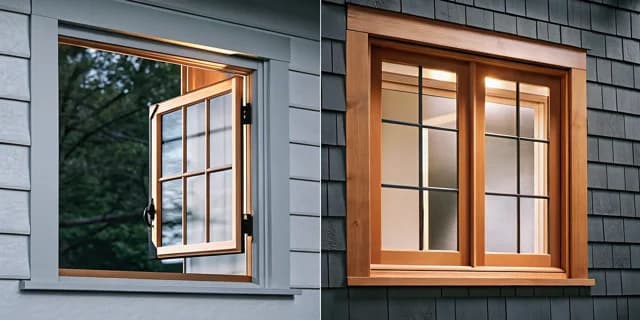
When comparing casement vs double hung windows, the primary difference lies in how they open and seal. Casement windows are side-hinged and crank outward like a door, creating a tight compression seal that blocks drafts. Double-hung windows feature two vertically sliding sashes that slide up and down within the frame for traditional airflow control and easy tilt-in cleaning. Both styles are highly durable options for a residential window replacement for South Jersey, but casements provide maximum ventilation and superior airtightness, while double-hung designs offer classic style and simple upkeep. Homeowners should choose based on room placement, ease of access, and their specific energy efficiency goals in the local climate.
Every home in the Cherry Hill area has unique layout needs and architectural styles. Understanding the mechanics of each option helps you make the best investment for your property.
Ready to start your window upgrade? Contact Cosello Construction for a free consultation and estimate today.
Casement Vs Double Hung Windows: What Are Casement Windows and How Do They Open?
Casement windows are single-sash units attached to their frames by side hinges. They open outward like a door rather than sliding up and down. Homeowners operate these windows using a folding crank handle at the base of the frame. This mechanical design makes them easy to operate with one hand, even in hard-to-reach spots. Because they swing completely open, casements provide clear, unobstructed views and excellent airflow. Many homeowners choose them to maximize natural light and fresh air in key living spaces.
Outward Crank Operation
The defining feature of a casement window is its mechanical crank system. To open the window, you turn a small handle located on the interior sill. This folding crank rotates a metal arm that pushes the sash outward. Turning the crank in the opposite direction pulls the sash back in. The handle then folds flat to stay out of the way of blinds or curtains. This crank-out style makes casements the perfect choice for spots where you must reach over furniture, kitchen sinks, or deep counters.
Maximum Fresh Air
Unlike double-hung styles, casement windows open fully from top to bottom and side to side. This complete opening allows for maximum ventilation. When the sash swings outward, it acts as a wind scoop to catch passing breezes. The sash directs fresh air straight into your home.
- Full-opening design: The entire sash swings clear, capturing cross breezes that sliding windows miss.
- Wind-scoop effect: The outward sash channels breezes directly into the room.
- Best for kitchens and baths: Fast moisture removal and one-handed operation over sinks.
For details on how these units improve airflow, check out the casement window ventilation advantages offered by professional installers.
Compression Seal Energy Efficiency
According to research from the National Renewable Energy Laboratory, windows with compression seals allow about half as much air leakage as double-hung windows with sliding seals. When closed, the window sash presses flat against the frame. This creates a tight compression seal. When cold winter winds blow against the glass, the pressure pushes the sash tighter into the frame. This action minimizes drafts and air leaks. For South Jersey homes facing harsh seasonal weather, this seal reduces heating and cooling costs.
Multipoint Locking Systems
Home security is a major benefit of the casement design. These windows feature multipoint locks that secure the sash at several spots along the frame. A single lever on the frame pulls the entire sash tight. This locks the window from the inside. Because the lock mechanism is fully enclosed, intruders cannot reach it from the outside. The hook-shaped lock design resists prying, giving you peace of mind.
What Are Double-Hung Windows and How Do They Work?
Double-hung windows are one of the most popular window styles in American homes. These windows have two main moving parts called sashes. Both the top sash and the bottom sash slide vertically up and down within the window frame. Unlike single-hung windows where only the bottom sash moves, a double-hung design gives you full use of both sections. This classic design is highly functional and fits almost any home style from traditional to modern.
Flexible Airflow and Ventilation
One of the top double hung window benefits is how they manage airflow. Because both sashes can open, you can control how air moves through your room. To get the best ventilation. You can open the bottom sash of the window to let cool air in while opening the top sash to let warm air escape. This natural air circulation helps keep your living space cool and reduces your reliance on air conditioning. Homeowners can find more info about window options from the U.S. Environmental Protection Agency on energy-saving designs.
Easy Cleaning From Inside Your Home
Cleaning windows on upper floors can be difficult and dangerous. Double-hung windows solve this problem with tilt-in sashes. Both sashes can tilt inward toward the room with the release of simple latches. This handy feature allows you to clean the exterior glass safely from inside your home. You do not need to climb tall ladders or use extension poles to wash your second-story windows.
- Tilt-in design: Both sashes pivot inward for safe indoor cleaning.
- No ladders needed: Clean second-story windows from inside your home.
- Simple maintenance: Remove sashes entirely for deep cleaning or track vacuuming.
This makes double-hung units a safe and practical option for multi-story homes in South Jersey.
Excellent Compatibility With Window AC Units
Another major advantage of double-hung windows is how well they work with window air conditioners. The vertical sliding sashes create a stable opening that can hold a standard window AC unit securely. The window sash slides down onto the top of the AC unit, while side panels fill the remaining gaps. This is a big contrast to casement windows, which crank outward and cannot support standard window AC units without custom work. This makes double-hung options a highly practical choice for older homes without central air.
Need professional guidance? Explore Cosello Construction's window replacement services and get a free estimate for your home.
Casement vs Double-Hung: Ventilation, Cleaning, and Energy Efficiency
Choosing between casement vs double hung windows requires evaluating how each type handles daily home needs. Airflow, upkeep, and heating costs vary based on the physical design of each window. While aesthetics play a role, the way a window seals, opens, and tilts affects your monthly energy bills and home comfort.
| Feature | Casement Windows | Double-Hung Windows |
|---|---|---|
| Operation | Crank outward with side hinges | Slide sashes vertically in track |
| Ventilation | Full opening sashes scoop side breezes | Split top and bottom openings |
| Energy Seals | Compression seal tightens with wind | Sliding weatherstripping seals |
| Glass Cleaning | Reach through open frame to wash | Tilt-in sashes clean from inside |
| Security | Hooked multipoint frame locks | Standard sweep locks on sashes |
| Best Rooms | Kitchens, baths, hard-to-reach areas | Bedrooms, hallways, near walkways |
Understanding Airflow and Ventilation
Casement windows provide maximum ventilation because the entire glass sash swings outward. This design acts like a sail to scoop passing breezes and direct fresh air into your home. This feature is useful in narrow spaces where wind blows parallel to the house wall.
Double-hung windows offer flexible, two-way ventilation but limit the open area to half of the window frame. Opening both sashes creates a natural convection draft. Cool air enters through the bottom opening while warm indoor air exits through the top opening. This circulation works well in high-ceiling rooms but does not catch cross breezes as effectively as outward-swinging designs.
Energy Efficiency Differences
Energy performance varies because of how each window closes. A casement window uses a compression seal. When you lock the crank, the sash presses directly against the rubber weatherstripping. Wind blowing against the house pushes the sash tighter into the frame, which blocks leaks. According to the U.S. Department of Energy, casement units have lower air leakage rates than sliding styles.
Double-hung sashes slide vertically along tracks. They rely on brush weatherstripping to seal the gaps between the moving parts. While modern units use low-E glass and gas fills to reduce heat transfer, sliding seals naturally allow slightly more air draft than compression seals. Choosing the right frame materials and glass options helps both styles meet regional standards.
Upkeep and Glass Cleaning
Cleaning double-hung windows is simple because both sashes tilt inward. This design allows you to wash the outer glass surfaces while standing safely inside your home. It is a vital safety benefit for second-story bedrooms and offices.
Casement windows require reaching around the open sash to clean the exterior glass. While some hinges allow enough space to reach through, washing upper-story casement glass from the ground often requires long tools. If you want convenient seasonal upkeep for multi-story homes, the tilt-in feature makes double-hung units highly practical.
Why Professional Installation Matters
No matter which style you choose, installation quality dictates real-world performance. Gaps in the sealant or uneven frames cause air drafts, water leaks, and lock alignment issues. Improper fitting can even void manufacturer warranties on premium products.
To avoid these issues, Cosello Construction follows manufacturer practices to set, shim, and seal every window frame. Over more than 20 years, Cosello Construction has helped local homeowners select and install the ideal fit for their property. Learn more about your options by reading residential window replacement for South Jersey.
Which Window Style Is Better for Different Rooms?
Every room in a home has unique needs for light, air, and ease of use. Choosing between a casement vs double hung windows setup depends on how you use each space. Cosello Construction helps South Jersey homeowners evaluate these needs room by room to make the best choice.
Kitchens and Bathrooms
Kitchens and bathrooms produce high levels of humidity and moisture from cooking and showering. To prevent mold and water damage, these rooms need fast ventilation. Casement windows are the ideal choice here because they swing fully outward, creating a large, unobstructed opening that channels fresh air inside quickly. These windows usually feature easy-to-use crank handles at the bottom of the frame, which are simple to reach and operate over deep kitchen sinks or high bathroom counters. For added privacy, you can choose frosted or textured glass options, combined with moisture-resistant trim that holds up well in damp environments.
Bedrooms
Bedrooms require a balance of security, quietness, and easy control over airflow. Double-hung windows are highly suited for bedrooms because their sliding sashes allow you to adjust ventilation precisely. You can open the top sash slightly to let warm air escape while keeping the bottom sash locked for safety and peace of mind. Double-hung windows also offer a classic, comforting look that fits bedroom decors perfectly. Furthermore, local building codes often require bedroom windows to meet strict egress size rules for emergency escapes. Safety guidelines from the Federal Emergency Management Agency require egress windows to be large enough for safe passage. Double-hung models are a proven way to meet these requirements in bedrooms and basements alike.
Living Rooms and Dining Rooms
Living and dining rooms are the main gathering spaces in your home and serve as the focal points of your exterior curb appeal. For these central areas, mixing both styles is often the best approach to balance looks and function. If your home has a traditional style, double-hung windows offer a timeless, historic look that enhances your home's facade. If you have large wall spaces with beautiful backyard views, casement windows are an excellent option. They offer expansive glass areas without a center rail to block your sight. This design lets in abundant natural light and opens wide to capture gentle breezes during pleasant South Jersey weather.
Second-Story Windows
Cleaning and maintaining windows on upper floors can be difficult and dangerous. For any second-story room, double-hung windows are the most practical and safe choice. Modern double-hung windows feature sashes that tilt inward toward the room. This smart design lets you wash both the inside and outside of the glass safely while standing on the floor inside your home. You do not need to climb tall, unstable ladders or hire professional cleaners. In contrast, casement windows on upper floors are much harder to clean from the inside, as their outward swing limits your reach to the exterior glass.
Basement Windows
Basements are often dark, damp, and subject to strict safety regulations. To bring in natural light and ensure safety, you must choose windows that maximize the available wall opening. Casement windows are highly recommended for basements because they open fully, making it much easier to satisfy local egress codes in small window wells. Because the entire sash swings open. Casements provide a much larger escape route than a double-hung window of the same size where one sash always blocks half the opening. This makes casement styles the superior choice for safety and code compliance in finished basement spaces.
Talk to a Cosello Construction window specialist today. Schedule your free in-home consultation and get expert advice on the best window style for every room.
Cost Comparison: Casement vs Double-Hung Windows
When you plan a home upgrade in the Cherry Hill area, project cost is often a main detail. Understanding the price difference between these two window types can help you plan your budget. While both options offer great value, they have different price points because of how they are built.
Why Casement Windows Usually Cost More
In most cases, casement windows have a higher initial purchase price than double-hung styles. This higher cost is due to the complex gears and crank mechanisms that allow the window to swing outward. They also require heavy duty hinges and strong multipoint lock systems to hold the sash tight against the frame. These parts must meet tough building codes and resist strong winds, which adds to the manufacturing costs.
The tight compression seal on casement windows also requires premium weatherstripping. This tight seal prevents air leaks, which helps lower utility bills in South Jersey winters. Over time, the extra cost of these units can be offset by their high energy savings.
Why Double-Hung Windows Are Budget Friendly
Double-hung windows are often the more cost-effective option for homeowners. Because they are the most common style in the Tri-State area, manufacturers make them in high volumes. This widespread availability keeps the purchase price lower. The design is also simpler, using sliding sashes and balances rather than complex mechanical cranks and gears.
- Lower upfront cost: Double-hung windows typically cost 15 to 30 percent less than comparable casement styles.
- Simple mechanism: Fewer moving parts means lower repair costs over time.
- Broad availability: High production volume keeps prices competitive across brands.
While they do not seal quite as tightly as casement options, quality models still offer strong thermal protection for your budget.
Your True Cost Factors
No matter which style you choose, your final price depends on custom details. Sizes, glass types, and brand choices will change your overall cost. For example, Andersen windows are available in both options, but a custom size or special gas fill will increase the price. Because every home is different, Cosello Construction provides custom, quote-based pricing for each client.
It is important to remember that installation quality affects long-term value more than the first price of the window. A cheap window with a poor seal will leak air and raise your energy bills. Professional work ensures your investment lasts for decades. To start your project, you can contact Cosello Construction today for a free, precise quote on your new windows.
Frequently Asked Questions
Which window type is more energy efficient: casement or double-hung?
Casement windows generally offer better energy performance. When closed, the sash presses flat against the window frame to form a tight compression seal. This design prevents air leaks better than the sliding seals on double-hung units. Wind pushing against the glass actually forces the casement sash tighter into the weatherstripping, which reduces drafts in South Jersey winter storms. Double-hung windows rely on brush or fin weatherstripping along the sliding tracks. While modern double-hung models with low-E glass and gas fills perform well, compression seals naturally leak less air over time. For maximum savings, Cosello Construction installs both styles with energy-efficient glass packages.
Are casement windows more expensive than double-hung windows?
Yes, casement windows typically cost 15 to 30 percent more than comparable double-hung styles. The price difference comes from the complex crank gears, heavy-duty hinges, and multipoint locking mechanisms needed for their operation. Double-hung units use simpler balance systems and cord mechanisms to slide sashes up and down. However, the higher upfront cost of casement windows can be offset by their superior energy sealing, which lowers monthly heating and cooling bills. Both styles are available at a range of price points depending on frame material, glass type, and brand. You can get a free estimate for either style by contacting Cosello Construction.
What are the main disadvantages of casement windows?
The main drawbacks of casement windows are their outward opening path and mechanical parts. Since the sash swings outward, casement windows can block narrow walkways, patios, or porch areas when fully open. They also do not support standard window air conditioners, which sit in the opening of a vertically sliding sash. The crank gears and hinges need periodic cleaning and lubrication to prevent rust and sticking over time. Finally, cleaning the exterior glass on upper-story casement windows requires reaching around the open sash, which is more difficult than the tilt-in cleaning offered by double-hung styles.
Can you mix casement and double-hung windows in the same house?
Absolutely. Many South Jersey homeowners choose a mix of both styles to match the function of each room. Using casements in kitchens and bathrooms paired with double-hung windows in bedrooms and living areas gives you the best combination of function and style for the whole home. Casements work well in hard-to-reach areas where the crank handle makes operation easy, while double-hung windows provide safe cleaning and classic curb appeal for visible front-facing rooms. Cosello Construction can help you design the perfect combination for your property.
What is the best window brand for casement and double-hung windows?
Cosello Construction recommends Andersen windows for both styles as an Andersen Certified Contractor. Andersen offers casement and double-hung models with low-E glass, argon gas fills, and durable frame materials that meet Energy Star standards for the South Jersey climate. For premium options, Provia and Pella also offer high-performance casement and double-hung lines. Your best choice depends on your budget, home style, and specific performance needs. Cosello Construction can guide you through the options during a free in-home consultation.