

A cold breeze near a closed window is evidence, not just a winter annoyance. Drafty windows in winter NJ may signal failed caulk, worn weatherstripping, loose hardware, or a window that no longer seals.
Schedule a window evaluation with Cosello Construction
Drafty windows in winter NJ require a safe diagnosis before you choose a quick fix, repair, or full replacement. Start by checking whether air enters around the sash, trim, lock, or glass, while avoiding open flames and risky exterior work. Temporary steps such as locking the sash, replacing weatherstripping, applying removable caulk, and using an interior window film can reduce discomfort. A local repair may solve one damaged seal or hardware issue, but repeated drafts, fogged panes, rot, or hard operation can justify replacement. A professional window assessment can confirm the source, explain repair limits, and help New Jersey homeowners choose based on safety, condition, energy use, and long-term value.
The key question is whether one serviceable part is leaking or the whole window has reached the end of its useful life. Drafty windows in winter NJ: start with the symptom, because the location and timing of the draft narrow the likely cause. Here's how.
Drafty windows in winter NJ: start with the symptom
Airflow or cold glass?
A window can feel drafty even when no outdoor air is entering the room. Cold glass cools nearby indoor air, which then sinks toward the floor. That moving air may feel like a leak near the sill. Start by noting whether the chill stays near the glass or comes from one exact gap.
On a windy day, slowly move the back of your hand around the sash, lock, frame, and trim. Keep curtains and blinds out of the way during the check. A small strip of tissue can also show steady airflow, but keep it away from candles and heaters. The U.S. Department of Energy guidance on finding air leaks explains other safe checks.
Clues at the sash and frame
Check whether the sash is fully closed and the lock pulls it snug against the weatherstripping. Look for worn seals, loose locks, or gaps where the moving sash meets the frame. Then inspect the indoor trim for cracks between the frame and wall. These signs point to different repair needs, so record each location before changing anything.
- Airflow at the sash: The weatherstripping may be worn, loose, or blocked by dirt.
- Airflow near the trim: A gap may sit between the window frame and the wall.
- Cold across the whole pane: The glass may be cold without an active air leak.
- One loose corner: The sash, lock, or frame may not be sitting square.
Do not force a frozen sash or remove exterior parts during bad weather. Take photos, note the wind direction, and mark the draft location with removable tape. If several windows show the same issue, compare their age, style, and exposure. Those notes can help guide a later window replacement assessment.
Moisture is a different warning
Condensation on the room side of the glass is not the same as a draft. It often appears when warm indoor air meets a cold surface. Moisture between panes is also different; it may point to a failed sealed glass unit. Note where the moisture sits before wiping it away.
Water stains, wet trim, peeling paint, or damp drywall need closer attention. They may signal water intrusion rather than simple air leakage. Check these areas after rain or melting snow, but avoid opening exterior trim in winter. Photograph the pattern and seek help if the area stays wet, spreads, or shows visible damage.
What does each winter window symptom mean?
Cold air near a window does not always mean the whole unit has failed. The location and type of damage help narrow the cause. Use this symptom guide before deciding how to address drafty windows in winter NJ.
Match the symptom to the next step
Start with a careful visual check on a cold, dry day. Do not take apart glass, force a stuck sash, or cover signs of rot. The table shows safe first actions and the likely path after a professional inspection.
| Symptom | What it may mean | Immediate safe action | Likely next step | | --------------------------------- | ------------------------------------------------------------- | ---------------------------------------------------------- | ---------------------------------------------------------------------------------- | | Cold air at the sash | Worn weatherstripping or a sash that no longer closes tightly | Close and lock the window, then note where air enters | Adjust the sash or replace weatherstripping; assess the frame if the draft remains | | Cracked exterior caulk | A gap at the window frame or trim joint | Photograph the crack and keep the area dry | Remove failed caulk and reseal the joint after checking for hidden water damage | | Failed or loose lock | The sash may not compress against its seal | Do not force the lock or leave the window unsecured | Repair the hardware; check sash alignment and frame condition | | Fog between glass panes | The insulated glass seal has likely failed | Confirm the fog is between panes, not on an indoor surface | Replace the glass unit or window, based on frame condition and part access | | Soft, swollen, or crumbling frame | Moisture damage or decay may be present | Avoid pressing or scraping the damaged area | Inspect for water entry; replacement may be safer than a surface repair | | Drafts at many windows | Age, poor fit, or wider air-sealing gaps may affect the home | Record the rooms and draft locations | Plan a full assessment and compare targeted repairs with phased replacement |
When a repair may be enough
A focused repair can make sense when the frame is firm and square. Small caulk gaps, worn weatherstripping, or faulty hardware may have a clear fix. The U.S. Department of Energy explains how proper weatherstripping helps seal movable parts, including windows.
Temporary film or a draft stopper may reduce discomfort while you plan repairs. These measures do not fix failed glass seals, rot, or a warped sash. Check the window again after any repair to confirm that the air path is closed.
When replacement deserves a closer look
Replacement is more likely when several problems appear together. A soft frame, fogged glass, poor operation, and repeat drafts can point to damage beyond a simple seal. Widespread trouble may also make one-by-one repairs less practical.
A professional can check the frame, glass, hardware, and opening before recommending work. Cosello Construction's window replacement services page explains the available project path for South Jersey homes. Bring your symptom notes and photos so the inspection starts with clear evidence.
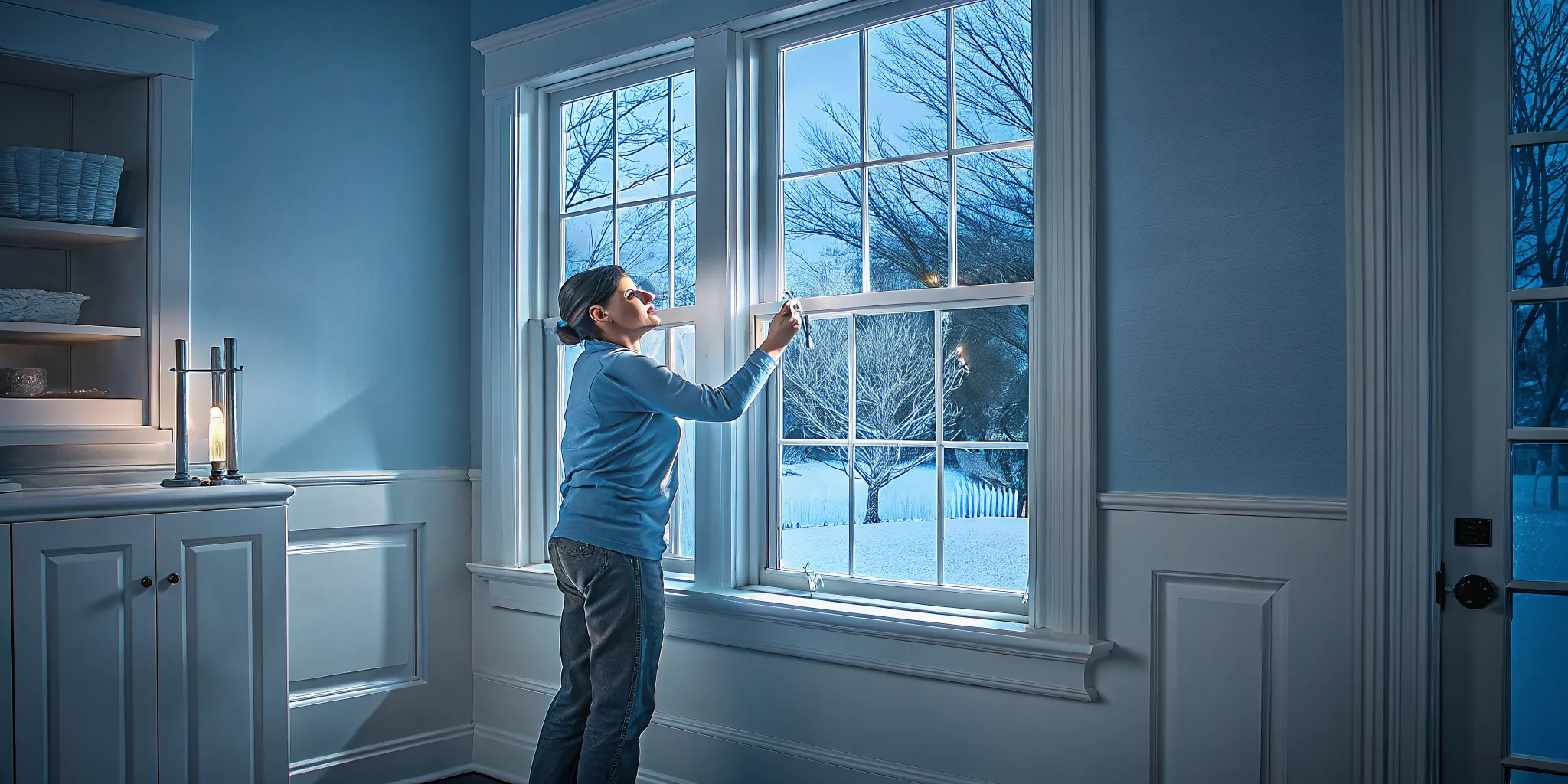
A simple tissue check can help locate airflow around a closed window.
How can you safely reduce a window draft today?
You can safely reduce a minor window draft by fully closing and locking the sash, identifying the exact air path, and applying a removable temporary seal. Stop if the window will not lock, the frame is damp or soft, or the draft returns after the temporary fix.
First checks before sealing
Start by closing the window fully, then engage every lock. A lock pulls the sash tight against its seals and may stop a small draft. Check that curtains, cords, or dirt are not keeping the sash from closing. If the lock will not catch without force, stop and have the window checked.
Find the draft by slowly moving your hand around the sash and trim on a cold day. Look for loose seals, damp wood, soft spots, cracked glass, or fog trapped between panes. These signs help separate a minor air leak from damage that needs repair. The U.S. Department of Energy also explains how window updates and replacement can address comfort and energy concerns.
Four temporary winter fixes
For drafty windows in winter, NJ homeowners can use removable products to improve comfort until a lasting repair is possible. Choose a fix that matches the leak location. Read the product directions first, and keep every required exit easy to open.
- Lock the window: Close the sash evenly and engage its locks. Do not force a bent sash or damaged lock into place.
- Apply removable rope caulk: Press it into a clean, dry joint where the sash meets the frame. Remove it when you need to open the window.
- Add weatherstripping: Replace loose or worn strips with a removable product made for the window type. Keep tracks, locks, and moving parts clear.
- Install window film: Fit an indoor film kit across the trim, then shrink it as directed. Do not attach film to damp, weak, or peeling surfaces.
Test the window after adding rope caulk or weatherstripping. It should still lock, and any window used for emergency escape must open without delay. Never cover an egress window with a product that cannot be removed at once. Keep film and sealants away from vents, locks, and drainage openings.
Limits of a temporary seal
These steps may reduce air movement, but they do not repair rot, failed glass seals, or gaps around a poor installation. Fog between panes often points to a failed insulated glass seal. Soft wood or staining can signal ongoing moisture damage. Caulk and film may hide these clues without fixing their cause.
If drafts return after each short-term fix, arrange a closer inspection before adding more sealant. Cosello Construction's window replacement service explains the options for windows that no longer close, seal, or perform as intended. A pro can check the sash, frame, glass unit, and opening around the window.
Do not seal over wet wood or an active leak. Trapped moisture can keep damaged areas from drying and make the source harder to find. Note where you feel air, see water, or find soft material. Those details help a technician focus the inspection on the right area.
When is window repair the practical choice?
Window repair is usually practical when the draft comes from one isolated, serviceable part and the frame remains solid. Worn weatherstripping, cracked caulk, or loose hardware may be repairable. A sound opening and a problem that does not keep returning make a focused repair more reasonable.
A small, isolated source of air
Repair makes sense when cold air enters through one clear, limited spot. Worn weatherstripping, cracked caulk, or a loose lock can create a draft. These issues affect how the window seals, but they do not always mean the full unit has failed.
Start by checking where the sash meets the frame and where the frame meets the wall. Look for a thin gap, loose seal, or damaged strip. The U.S. Department of Energy notes that caulk and weatherstripping can help reduce air leaks around existing windows.
A focused repair can also fit when one sash sticks or one lock no longer pulls the window closed. Fixing that part may restore a tighter fit. This approach is most practical when the rest of the window opens, closes, and seals as expected.
A frame that remains sound
The condition of the frame matters as much as the source of the draft. A sound frame should feel firm and show no clear signs of rot. It should also sit square in the opening, without wide gaps or loose sections.
Check the sill and lower corners with care because water can collect there. Peeling paint alone does not prove the frame is damaged. Soft wood, repeated moisture, or movement at the joints points to a larger issue that caulk may only hide.
For drafty windows in winter NJ homeowners should also note whether the problem returns after each repair. A gap that keeps reopening may signal frame movement or poor installation. In that case, another bead of caulk may not address the cause.
Compare nearby windows as well. If one window feels drafty while similar units stay tight, an isolated repair may be reasonable. If many units show the same issue, the cause may extend beyond one worn part.
Repair scope and next steps
A practical repair has a clear scope. It addresses a known issue without covering up water damage, failed glass seals, or a badly warped frame. Common repair candidates include limited weatherstripping, exterior caulk, sash hardware, locks, and isolated trim damage.
If the cause is hard to find, a professional inspection can separate a small seal problem from a wider window issue. Cosello Construction's window repair service can help assess the frame, sash, hardware, and surrounding seal before work begins.
Repair results depend on the window's age, design, condition, and the source of the air leak. Ask what will be repaired and what signs would point toward replacement. That keeps the decision tied to the window's actual condition instead of a quick surface fix.
When does replacement make more sense?
Replacement makes more sense when the draft is one symptom of a wider window failure. Repeated leaks, several affected openings, a damaged frame, trapped fog between panes. Or a sash that will not operate safely can indicate that a small repair will not address the full problem.
A quick seal or small repair can stop one draft. Replacement makes more sense when the problem points to the whole window, not one loose part. Look at how often the issue returns, how many windows are affected, and whether the frames still feel solid.
Patterns across several windows
Recurring drafts across several windows often signal a wider fit or age issue. You may notice cold air near multiple frames, even after adding caulk or weatherstripping. This pattern matters more than one draft caused by a worn lock or a small gap.
Check the windows during cold, windy weather. Note where air enters, whether the sash closes fully, and if the lock pulls it tight. The U.S. Department of Energy explains how window updates and replacement can address comfort and performance issues.
Short-term fixes may still help while you plan the work. Yet repeated sealing can hide a poor fit without correcting it. When drafty windows in winter NJ affect several rooms, a full assessment gives a clearer view of the cause.
Frame and glass damage
Inspect each frame before choosing another repair. Soft wood, deep cracks, swelling, or visible decay can mean the frame no longer supports a lasting seal. Press gently around suspect spots, but stop if the material gives way.
Moisture or fog trapped between panes is another replacement sign. It often means the seal inside the insulating glass unit has failed. Wiping the room-side glass will not clear moisture held between sealed panes.
- Soft, damaged, or misshapen frame sections
- Fog or moisture trapped between glass panes
- Gaps that return after careful sealing
- Water marks near the frame or sill
These signs do not always require every window in the home to be replaced. A contractor can check which units have failed and which remain sound. That approach keeps the scope tied to the actual damage.
Operation and fit
A window should open, close, and lock without a struggle. Sticking, sagging, or a sash that will not stay open may point to worn parts. It can also show that the frame has shifted or lost its shape.
Poor fit becomes more serious when the sash leaves visible gaps after it is locked. A repair may not last if the frame is no longer square. Forced operation can also place more strain on locks, balances, and nearby frame joints.
Before deciding, compare the repair needs across the home and note which problems keep coming back. Cosello Construction's window replacement service can help assess damaged frames, failed glass, poor fit, and hard-to-use units. The goal is to replace windows when the full unit is the source of the problem.
When should you schedule a professional window evaluation?
Winter can make window problems easier to pinpoint because the temperature difference between indoors and outdoors makes air leaks and cold surfaces more noticeable. Schedule an evaluation promptly if a window will not close or lock. You see soft or deteriorated frame material, moisture is entering around the opening, or fog remains trapped between panes.
A professional should inspect more than the visible gap. The evaluation may include the sash and locks, weatherstripping, exterior sealant, glass unit, frame condition, and the fit between the window and wall opening. That broader look helps separate a serviceable component from an installation or structural issue.
For South Jersey homeowners, documenting which rooms feel cold, when the symptom appears, and whether it changes with wind direction can make the visit more productive. Cosello Construction brings more than 20 years of window and door experience to repair and replacement evaluations.
How do you decide between repair and replacement?
The right choice depends on the condition of the whole opening, how many windows are affected, and whether a focused repair will last. One serviceable leak may justify repair. Recurring drafts, damaged frames, failed glass seals, or poor operation may make replacement the better long-term option.
The right decision depends on the condition of the whole opening, not simply how cold the room feels. Start with these questions:
- How many windows are affected? One isolated draft may point to a focused repair. Similar symptoms across several aging windows can support a broader replacement plan.
- Is the frame sound? Intact, square frames give repair work a better foundation. Softness, decay, or persistent water entry calls for a deeper assessment.
- Does the window operate and lock correctly? A minor hardware issue may be repairable. A sash that remains misaligned or unsafe after adjustment may require replacement.
- Is moisture trapped between panes? Fog inside an insulated glass unit is different from wipeable room-side condensation and usually needs professional evaluation.
- Has the same problem returned? Recurring caulk failures or drafts after repeated fixes may indicate that surface treatments are not addressing the cause.
If the diagnosis is still unclear, avoid choosing based only on age or appearance. A window professional can explain which openings are candidates for repair, which need replacement, and whether a phased approach fits your priorities.
Ask Cosello Construction whether your drafty window needs repair or replacement
Frequently asked questions about drafty windows
These answers address common questions New Jersey homeowners ask when a room feels colder near a window. Begin with safe checks and temporary measures, then request a professional evaluation if you find damage, moisture, poor operation, or a draft that keeps returning.
How do I stop cold air from coming through windows in winter?
First close and lock the window fully. Then identify whether air is entering at the sash, around the trim, or through a damaged area. Removable rope caulk, properly fitted weatherstripping, or window film may reduce a minor draft temporarily, but recurring leaks or damaged frames should be evaluated professionally.
Does a cold window always mean there is an air leak?
No. Glass can feel cold and create a cool downward air current even when the window is closed tightly. Use a tissue near the sash and trim on a windy day to look for directional movement, and check that the lock pulls the sash together correctly.
Can drafty windows be repaired without replacing them?
Often, yes, when the issue is limited to worn weatherstripping, cracked sealant, minor hardware, or an isolated sash problem and the frame remains sound. See Cosello Construction's window repair services for common repair options.
Does fog between window panes mean the window is drafty?
Fog trapped between panes indicates a failed insulating glass seal. It does not prove that air is entering the room, but it does mean the glass unit is no longer performing as designed and should be assessed.
Should I replace every window if only one room feels drafty?
Not necessarily. Start with the affected room and identify the cause. If only one opening has a correctable issue, a focused repair may be appropriate. If multiple windows have recurring drafts, poor operation, or deteriorated frames, discuss window replacement options.
Get a clear answer before the next cold snap
If temporary fixes are not holding or you are unsure whether a draft calls for repair or replacement. Cosello Construction can evaluate the window and explain practical next steps. Schedule a professional window evaluation or call (856) 317-1770.