

Window Condensation Inside House: Causes and Fixes for NJ Homeowners
Window condensation inside a house can look like a simple winter nuisance, but the location of the moisture tells you what to do next. Water on the room-side glass usually points to indoor humidity meeting a cold pane. Fog trapped between double-pane glass often signals a failed insulated glass seal. Exterior moisture can be normal on an efficient window. For New Jersey homeowners dealing with cold winters, humid summers, and older housing stock, telling those three situations apart helps prevent wasted repairs and missed warning signs.
Need help deciding whether a foggy window needs service? Contact Cosello Construction for a practical next step.
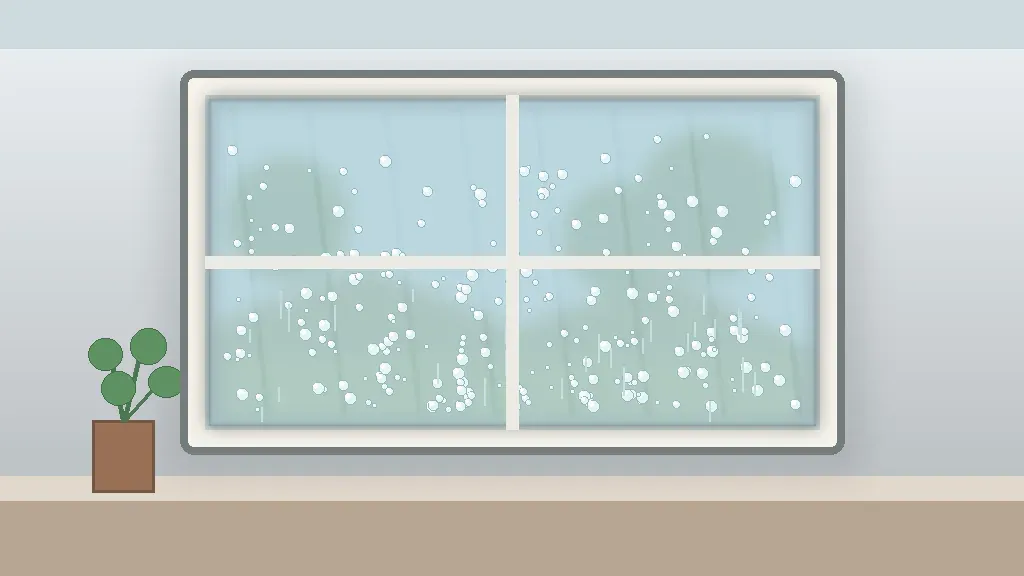
This guide explains why condensation forms, how to identify the source, which at-home fixes are worth trying, and when window condensation repair in NJ should move from humidity control to professional evaluation.
What Does Window Condensation Mean?
Condensation forms when warm, moisture-laden air reaches a surface cold enough for water vapor to turn into liquid droplets. Windows show that change quickly because glass is often colder than the air in the room, especially overnight and during New Jersey heating season.
The key homeowner question is not simply, "Why are my windows wet?" It is, "Where is the moisture located?" The answer narrows the cause:
- Inside surface of the glass: Most often tied to indoor humidity, air circulation, and a cold window surface.
- Outside surface of the glass: Often harmless dew, especially on well-insulated windows during cool mornings.
- Between the panes: Usually a failed seal in an insulated glass unit, not something that wiping or room ventilation will solve.
That location test matters. A homeowner who treats between-pane fog like ordinary humidity can spend weeks running fans and dehumidifiers without changing the view. A homeowner who sees a little room-side moisture after cooking may not need a window replacement at all.
Why Is There Condensation on the Inside of My Windows?
Interior condensation is usually a house humidity problem showing up on the coldest visible surface. In winter, closed windows, forced-air heating cycles, showers, cooking, laundry, houseplants, and even a full gathering of guests can raise moisture levels. If that moisture reaches cooler glass, droplets form.
Common interior condensation triggers
- Long showers without running the bathroom exhaust fan.
- Cooking without a range hood or kitchen exhaust.
- Drying clothes indoors or using an unvented moisture source.
- Blinds or heavy curtains that trap cool, damp air against the glass.
- Older windows, drafts, or glass that stays colder than nearby walls.
Small, occasional droplets that clear after the room warms or ventilates are different from daily water that pools on sashes, leaves paint swollen, or supports mildew near the sill. Persistent moisture deserves attention because it can damage trim, stain drywall, and make a room feel clammy even if the glass itself is not defective.
Interior condensation can also expose a comfort issue. If one window repeatedly gets wetter than others in the same room, that window may be draftier, shaded, poorly sealed around the frame, or simply older than the rest. Homeowners who are already noticing cold spots, drafts, or rising energy concerns can compare those symptoms with Cosello's energy-efficient window options.
Exterior Condensation Is Often Not a Defect
Moisture on the outdoor face of the glass catches many homeowners off guard. It can happen after a cool, clear night when outside air reaches its dew point. If a modern window keeps indoor warmth from reaching the exterior pane, that outside glass can stay cool enough for dew to collect.
In plain terms, a high-performing window can develop morning dew outside precisely because it is limiting heat transfer. The moisture should fade as the sun rises and outdoor conditions change. Exterior condensation alone does not prove the window is leaking, poorly installed, or failing.
Use this quick check: if the moisture wipes away from the outside and does not return until another cool, damp morning, it is usually an environmental condition. If moisture seems trapped beyond reach, the issue is likely between the panes instead.
Fog Between Window Panes Usually Means a Failed Seal
Double-pane and triple-pane windows use sealed insulated glass units. The sealed space between panes helps slow heat transfer. When that perimeter seal fails, humid air can enter the cavity. The result may be fog, a hazy film, droplets, or mineral-looking residue that you cannot clean from either room-side or exterior glass.
Between-pane condensation is different from indoor humidity. Opening a window, lowering a thermostat, or wiping the glass will not remove moisture trapped inside the glass unit. The fog may look worse on certain days and lighter on others, but the underlying loss of seal integrity remains.
Signs the glass seal may have failed
- Cloudiness remains after both sides of the glass are cleaned.
- Moisture appears to sit inside the window instead of on a touchable surface.
- The window looks clear one day and hazy the next as temperatures shift.
- One insulated unit is foggy while nearby windows stay clear.
- You notice water marks or a persistent film between panes.
A failed seal does not automatically mean every window in the home must be replaced. It does mean the specific unit should be evaluated. Depending on the window, age, product configuration, frame condition, and broader comfort issues, the right next step may be targeted service, sash or glass discussion, or planning for replacement.
If the fog is trapped between panes, review window repair options or request a professional assessment before assuming a room humidity fix will solve it.
How NJ Homeowners Can Reduce Interior Window Condensation
If the moisture is on the room-side surface, start with simple changes that reduce indoor humidity and improve air movement near the window. These steps are especially useful during cold weather when homes stay shut for long stretches.
- Run exhaust fans during moisture-heavy activities. Use bath and kitchen ventilation while showering or cooking, then let fans continue briefly afterward.
- Open blinds and curtains when practical. Air moving across glass helps keep cold pockets from lingering behind heavy window coverings.
- Wipe standing water promptly. Do not let condensation pool on sills, wood trim, or painted surfaces.
- Check whole-home humidity habits. If several windows sweat often, a dehumidifier or HVAC discussion may be useful.
- Look for draft patterns. A colder-than-normal window, damaged weatherstripping, or air leakage around the frame can make condensation more likely.
These actions address the most common cause of interior condensation without jumping straight to replacement. They also create a clearer test. If room-side moisture decreases after humidity is managed, the window was responding to indoor conditions. If haze stays sealed inside the glass, you have a different problem.
When Is Window Condensation a Repair or Replacement Issue?
Window condensation repair in NJ becomes a stronger consideration when the symptom points to the window system rather than temporary indoor moisture. Cosello Construction serves homeowners across South Jersey, Philadelphia, and the Tri-State area, so a useful evaluation should connect the visible symptom with the full window condition, not just the day's weather.
Consider professional window guidance when you see:
- Condensation or haze clearly trapped between panes.
- Water damage, soft trim, or staining around repeated interior moisture.
- Drafts, rattling, hard operation, or visibly deteriorated frames.
- Several aging windows showing comfort or clarity problems at once.
- A foggy unit that limits visibility in a main living space.
Targeted repair may make sense when the surrounding window remains sound and the issue is isolated. Replacement becomes more relevant when condensation appears alongside poor comfort, recurring drafts, difficult operation, deteriorated materials, or a larger plan to improve window efficiency throughout the home. Cosello's window replacement service page is the better fit for homeowners comparing broader upgrade paths.
Not sure which category fits your home? Request a quote or conversation with Cosello Construction before spending money on the wrong fix.
Fast Diagnosis Checklist: Where Is the Moisture?
| What you see | Likely explanation | Best first step | | ------------------------------------------------------------ | ----------------------------------------------- | --------------------------------------------------- | | Droplets on the room-side glass | Indoor humidity meeting a cold surface | Ventilate, reduce moisture, and wipe standing water | | Dew on the outdoor glass in the morning | Normal exterior condensation in certain weather | Monitor whether it clears as conditions warm | | Fog or film that cannot be touched from either side | Possible failed insulated glass seal | Seek a window repair evaluation | | Moisture plus drafts, frame wear, or repeated comfort issues | Window performance may be declining | Compare repair versus replacement options |
What Not to Do With Foggy Windows
Avoid aggressive shortcuts that treat the symptom while risking more damage. Do not scrape seals, drill glass, or apply heat in an attempt to clear between-pane moisture. Homeowners may also see temporary defogging claims online, but a temporary cosmetic change is not the same as restoring a failed insulated seal.
The safer approach is diagnostic: confirm the moisture location, reduce indoor humidity if the droplets are accessible, and get window-specific advice when the fog is trapped. That path keeps a manageable moisture issue from becoming an unnecessary project, while also keeping a legitimate glass failure from being ignored.
FAQs About Window Condensation Inside a House
Is condensation on indoor window glass always bad?
No. Light, occasional room-side condensation can occur when indoor humidity is elevated and glass is cold. It becomes more concerning when it happens often, pools on finishes, or appears with drafts, staining, or mildew.
Can I wipe away condensation between panes?
No. If the moisture is sealed between panes, you cannot reach it from inside or outside the home. That usually points to a failed insulated glass seal and deserves window-specific evaluation.
Why do newer efficient windows sometimes have dew outside?
Exterior dew can appear because a better-insulated window keeps indoor heat from warming the outside glass. In the right outdoor temperature and humidity conditions, that cooler exterior surface collects dew.
Does window condensation mean I need all new windows?
Not automatically. A single foggy insulated unit is different from a house full of drafty, damaged, or difficult-to-operate windows. The right decision depends on where the moisture is, the window condition, and whether comfort or performance problems are happening elsewhere.
Clearer Windows Start With the Right Diagnosis
Window condensation inside a house is a clue, not a final verdict. Accessible droplets usually call for humidity control and better air movement. Outdoor dew can be normal. Fog trapped between panes is the signal that homeowners should stop guessing and assess the window itself. If you are seeing persistent condensation, failed-seal symptoms, or moisture plus drafts in a New Jersey home, Cosello Construction can help you sort repair questions from replacement decisions.
Take the next step: contact Cosello Construction to discuss your foggy or condensation-prone windows.