
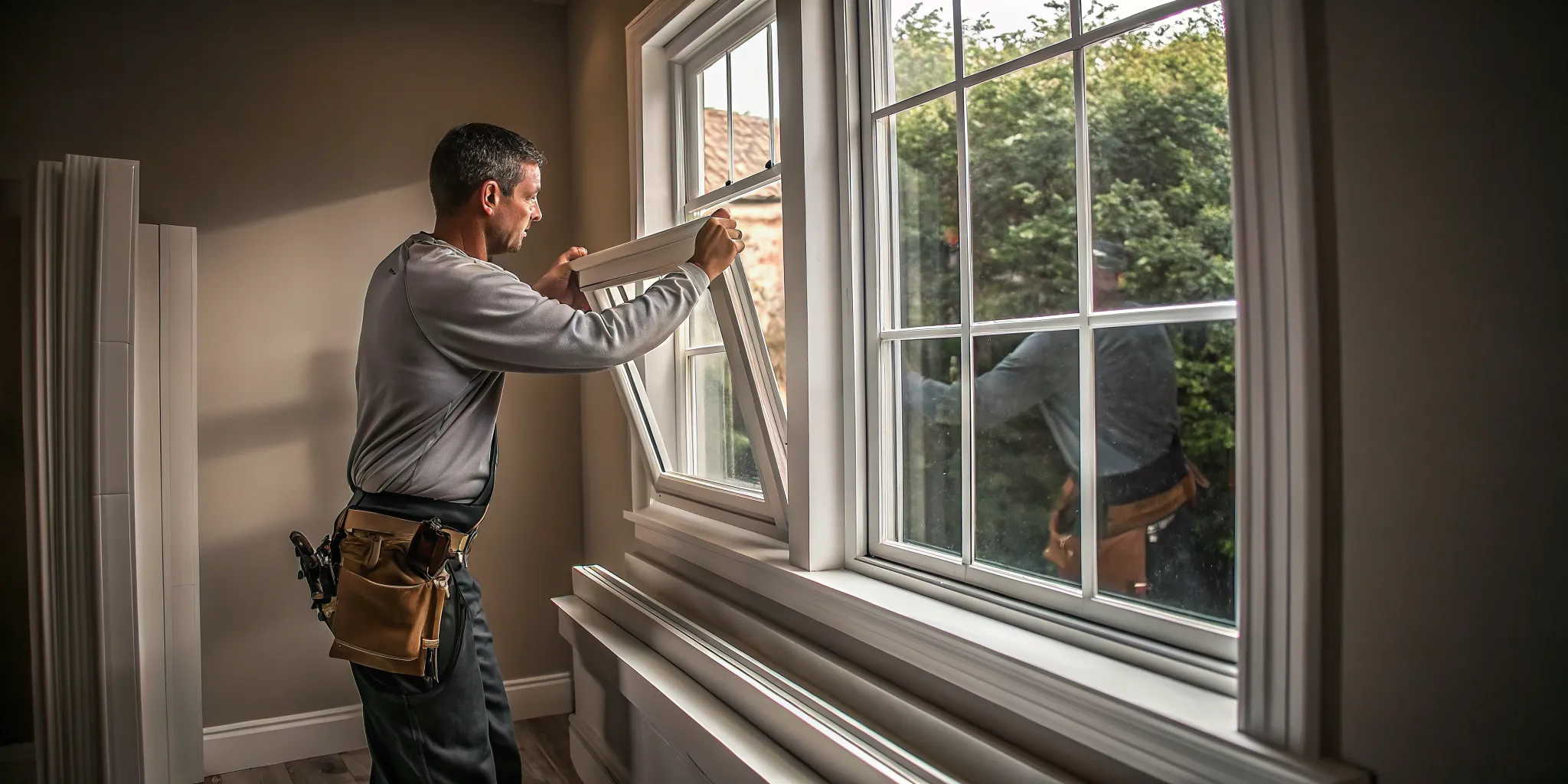
Two window estimates can look similar at the top line while covering very different work. For a fair comparison, look past the total and match the written scope, window specifications, measurements, installation method, warranty, schedule, permits, and exclusions.
A useful window installation estimate new jersey should explain the products being proposed, how each opening was measured, the condition of the existing frame, and exactly what labor and site work are included. It should also identify items that could change the scope, such as hidden damage, custom sizes, or structural modifications.
That level of detail helps you distinguish a complete plan from a low figure that leaves important work undefined. Start by checking whether the estimate documents the opening conditions and the full installation scope, not just the replacement window itself.
Request a project-specific window installation estimate through our Contact Us form.
What Should a Window Installation Estimate Include?
A useful written estimate should let you understand what will be installed, how the existing openings will be prepared, and what work is included from start to finish. It should be specific enough that you can compare another proposal without guessing what a line item means.
The first part is the assessment. The contractor should document the condition of the existing frames, trim, sills, and surrounding structure, including visible rot or water damage. This matters because an older opening may have unusual dimensions or non-standard framing. Replacing the window without accounting for those conditions can leave important repair work outside the stated scope.
Measurements should be recorded for each opening rather than estimated from a standard window size. A thorough evaluation considers width, height, depth, and whether the opening is square. The estimate should also identify the proposed product, including its style, material, glass package, color, hardware, and any custom configuration. Product selection should reflect the home's architecture, ventilation needs, cleaning preferences, maintenance expectations, and energy goals. Wood, for example, typically provides a more traditional appearance, while other materials may involve different maintenance considerations. See the window installation guide for more context on the evaluation and installation process.
Next, look for a clear installation scope. The document should state whether the work covers removal of the existing units, disposal, insulation, sealing, weatherproofing, trim, hardware, cleanup, and final inspection. If repairs or structural work are needed, the estimate should say whether they are included, allowed as an allowance, or excluded until the opening is exposed. It should also explain the installation approach, such as whether the project uses an insert replacement or a more extensive full-frame method.
- Assessment of frames, trim, sills, structure, rot, and water damage
- Individual measurements and the proposed window specifications
- Installation, removal, disposal, sealing, insulation, and weatherproofing scope
- Repairs, trim, hardware, cleanup, exclusions, and possible allowances
- Expected start window, installation duration, inspection steps, and warranty terms
Finally, the estimate should identify assumptions and timing. Note whether permits could apply if openings will be expanded or structural changes are planned. A schedule should distinguish product lead time from on-site installation. And it should identify conditions that could change the timeline, such as custom sizes, weather, product availability, or hidden damage. When these details are written down, the estimate becomes a scope of work, not just a total to compare.
Which Window Details Change the Value of an Estimate?
A useful estimate describes what you are buying, how it will be installed, and what ownership will require afterward. The headline total matters, but it cannot tell you whether two proposals cover the same window style, frame material, glass package, or preparation work. Compare those details first, then evaluate the scope behind the number.
| Variable | What to compare | Why it changes the estimate's value |
|---|---|---|
| Window style | Double-hung, casement, picture, bay, bow, or a custom shape | Operation, ventilation, appearance, cleaning access, and opening dimensions can differ by style. |
| Frame material | Vinyl, wood, fiberglass, or another specified material | Materials carry different appearance, maintenance, durability, and long-term ownership considerations. |
| Glazing package | Number of panes, low-E coating, gas fill, spacers, U-factor, and SHGC | Glass and spacer specifications affect insulation and condensation considerations. The DOE recommends selecting products by climate-zone requirements and rated values. |
| Installation approach | Insert or full-frame replacement, plus any opening preparation | The approach affects the amount of existing frame, trim, and surrounding condition that is addressed. |
| Maintenance scope | Cleaning access, finish care, hardware, trim, and warranty terms | A product that fits the home's appearance but demands more upkeep may have a different practical value than a lower-maintenance choice. |
Style and material should fit the home and the owner
Window style is not only a design choice. It affects how rooms ventilate, how easily glass can be cleaned, and how the replacement relates to the existing architecture. Review casement versus double-hung windows when operation and ventilation are central to the decision.
Frame material creates another set of tradeoffs. Wood can support a traditional appearance, while vinyl generally emphasizes simpler maintenance. Neither should be treated as universally better. Compare the specified finish, maintenance expectations, and fit with the home's character. The wood versus vinyl window guide provides additional context. Your window replacement options should reflect the property's needs, not just a generic product label.
Read the glass specifications, not just the word energy-efficient
Modern efficient windows commonly use at least two layers of glass. Low-E coatings, inert gas between panes, and spacer design can also affect the insulating package. Ask for the actual product specifications, including U-factor and solar heat gain coefficient, so proposals can be compared on equivalent terms. ENERGY STAR explains that certified products are independently verified against EPA efficiency guidelines, but performance depends on selecting a product appropriate for the installation climate. These details help make a window installation estimate in New Jersey more useful without turning it into an unsupported promise about future utility savings.
Finally, confirm whether each proposal includes the same installation approach and maintenance-related scope. A clear comparison separates product selection from preparation, sealing, trim, and cleanup. If those items are vague, ask for them in writing before treating one estimate as the better value.
What Labor and Site-Work Items Should You Compare?
A written window estimate should show what happens before, during, and after installation. The product line alone does not describe the full job. Compare each labor and site-work item so you can tell whether two bids cover the same work.
Removal, disposal, and finish work
Confirm whether the crew will remove the existing windows, haul away the old units, and dispose of related debris. Then check the finish scope. Does the estimate include interior or exterior trim, new stops, casing adjustments, sill work, or touch-up work? If existing trim is expected to remain, the document should say so. Otherwise, a decision made during installation can create an unexpected change in scope.
Repairs deserve the same attention. Ask how the contractor will handle deteriorated wood, rot, water damage, uneven framing, or other concealed conditions discovered after removal. The estimate may include allowances, exclusions, or a process for documenting additional work. A clear explanation is more useful than a vague statement that repairs are included.
Insulation, sealing, and weatherproofing
Look for specific language about insulating the gap around each unit, sealing joints, and weatherproofing the opening. These details help separate installation quality from a simple remove-and-replace transaction. The scope should also identify included hardware, such as locks, handles, screens, or other operating components, and state whether existing hardware will be reused.
For a practical overview of measurements, opening conditions, and installation steps, review this window installation guide. It can help you turn general promises into questions about the actual work at your home.
Cleanup, inspection, permits, and schedule
Cleanup should cover the work area, packaging, and installation debris. Ask whether the contractor will perform a final inspection, test operation, review the finished seals, and identify any follow-up items before the crew leaves.
Permits depend on project conditions. A similar-size replacement may not require the same permit review as an expanded opening, a new window where none existed, or structural modification. Your contractor should explain which conditions apply and who is responsible for permit coordination rather than presenting a blanket answer.
Finally, compare the schedule in two parts: expected installation time and the timeline from consultation through completion. Standard residential installation work often takes one to two days, but weather, custom sizes, specialty units, older-home conditions, product availability, hidden damage, permits, and structural repairs can change the schedule. Ask for these assumptions in writing.
How Do You Compare Two Window Installation Bids?
Two written bids can describe similar-looking windows while covering very different work. Compare them in the same order every time so an attractive headline total does not hide missing scope.
- Normalize the scope. Put both bids into a common list of windows, locations, operating styles, materials, colors, glass packages, screens, hardware, and accessories. Confirm that each contractor is quoting the same number and type of units. Product type, material, size, installation type, and customization can all change an estimate, so do not compare totals until those details match. For broader scope guidance, review Cosello's window installation guide.
- Verify the measurements. Ask how each opening was measured and whether the bid records width, height, depth, and squareness. Older New Jersey homes may have openings with unusual dimensions or non-standard framing. A sound estimate should also address existing frames, trim, site conditions, and possible structural issues. If one bid is based only on rough measurements, treat that as an unresolved question rather than an equivalent comparison.
- Compare the product specifications. Check the frame material, window style, number of panes, glass performance details, low-E treatment, gas fill where applicable, and any certification. Do not assume that two products with the same general label have the same specifications. The U.S. Department of Energy recommends considering the installation climate and comparing documented U-factor and solar heat gain coefficient values when selecting fenestration products: DOE guidance on window specifications.
- Confirm the installation method and labor scope. Ask whether the proposal covers removal, disposal, insulation, sealing, weatherproofing, trim, repairs, hardware, cleanup, and final inspection. Clarify how the contractor will address uneven or damaged openings. The bid should identify who performs the work and whether specialized technicians are involved, not just name a product.
- Read the warranty and credentials. Separate the manufacturer's product warranty from the installer's labor warranty. Check what is covered, how claims are handled, and whether exclusions apply to repairs or existing conditions. Cosello Construction documents Andersen Certified Contractor credentials and a 2-year labor warranty. Those facts are useful comparison points, but the written warranty remains the controlling document.
- Compare the timeline and exclusions. Look for ordering assumptions, product availability, weather contingencies, permits, structural work, and possible hidden damage. Ask whether the schedule covers consultation through completion or only installation days. A contractor should explain when permits may be needed, particularly for expanded openings, new windows, or structural modifications.
- Ask the same final questions. Request a written list of exclusions, the expected installation sequence, the person responsible for site protection, and the process for approving changes. Cosello has specialized in windows and doors since 2003 and reports thousands of installations across New Jersey, Pennsylvania, and Delaware. Experience is worth considering, but a complete, specific bid is still the evidence you should use to make the decision.
What Changes a New Jersey Window Installation Estimate?
A New Jersey window installation estimate can change when the installer sees the actual condition of the home, not just the number of windows on a worksheet. Older properties may have uneven openings, unusual dimensions, non-standard framing, or previous repairs hidden behind trim. Each opening should be checked for width, height, depth, and squareness before the replacement units are ordered. Those measurements help determine whether a standard product will work or whether a custom size, different installation approach, or additional carpentry is needed.
Older homes and hidden conditions
Existing frames, sills, trim, and surrounding structure can affect the scope. Rot, water damage, deteriorated materials, or an opening that is not square may not be visible until the old window is removed. A thorough estimate should explain how those conditions will be handled, including whether repairs, insulation, sealing, weatherproofing, trim work, removal, and disposal are included. If structural changes are needed, the project may also require permits. A similar-size replacement often follows a different process from expanding an opening or adding a window where none existed.
Weather, air sealing, and product selection
Regional weather is another reason estimates should address installation details, not only the window model. The U.S. Department of Energy notes that fenestration energy savings vary by climate, so product selection should account for the installation location and the window's performance specifications. Homeowners comparing energy-efficient window upgrades should review the complete glass and frame package, along with how the installer will insulate and air-seal the opening. A well-selected product cannot compensate for an incomplete installation scope.
Custom shapes, specialty units, and limited product availability can affect ordering and scheduling. Weather can also influence when exterior work can be completed. A standard project may follow a predictable sequence, but the timing for an individual home remains project-dependent. Ask whether the proposed schedule allows for custom manufacturing, delivery, permits, hidden repairs, and weather-related changes rather than treating an estimated date as a guarantee.
Compare your options with Cosello Construction through the Contact Us form.
Frequently Asked Questions
What should I compare first in a window installation estimate?
Start with the written scope, not the headline total. Confirm that each estimate uses comparable window styles, materials, dimensions, installation methods, and product specifications. Then check whether removal, disposal, trim work, repairs, insulation, sealing, weatherproofing, hardware, cleanup, and final inspection are included. A lower bid may simply leave more work as an exclusion.
How much does window installation cost in New Jersey?
There is no reliable universal price. Product and installation pricing is quote-based because window size, material, glazing, installation approach, opening condition, custom work, and repairs vary by project. Ask each contractor to separate labor and materials and explain every allowance or exclusion instead of comparing unsupported averages.
Do I need a permit to replace windows in New Jersey?
It depends on the work and local requirements. A similar-size replacement may follow a different process from expanding an opening, adding a window where none existed, or making structural modifications. Your contractor should identify whether permits may be needed for the proposed scope and clarify who handles that process.
How long does a residential window replacement project take?
Standard residential installation often takes one to two days, while a complete standard project may take about two weeks from consultation through completion. Weather, custom sizes, specialty windows, older-home conditions, product availability, and hidden damage can extend the schedule. Ask for both the expected installation duration and the factors that could change it.
Get started with a clearer window installation estimate
Comparing written scope, product specifications, site conditions, and exclusions is easier when your estimate reflects the actual home and installation plan. Cosello Construction serves homeowners within a 40-mile radius of Cherry Hill, including South Jersey and the Philadelphia metro area. To request a clear, project-specific window installation estimate through the Contact Us form, contact our team.